Tech & Buying Guide

Engineering Guide: Power Supply Sizing for PLC and DCS Control Systems
- 〡 by WUPAMBO

Interface Philosophy Between DCS and Motor Control Centers in Industrial Automation
- 〡 by WUPAMBO
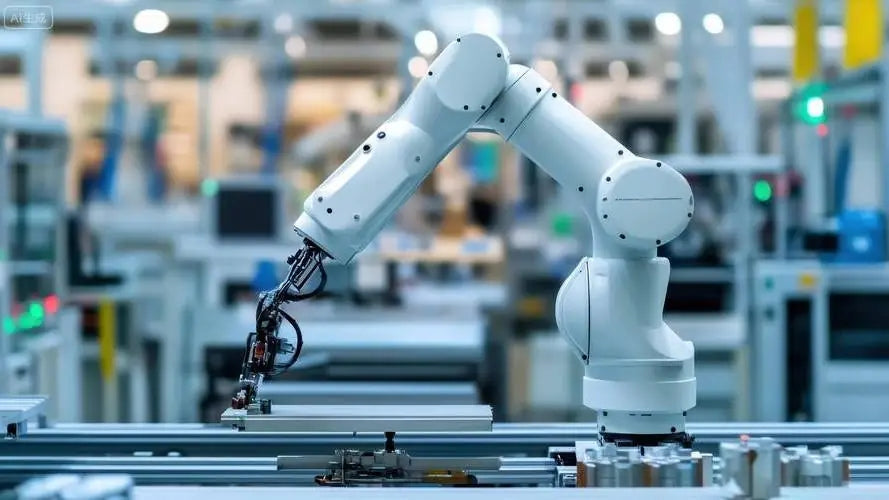
Batch vs Continuous Processing in Industrial Automation: Architectural Strategies for Control Engineers
- 〡 by WUPAMBO
Selecting the proper control architecture remains a pivotal decision when designing industrial automation systems. Automation engineers must evaluate whether a batch or continuous process model best fits their production requirements. This fundamental choice influences PLC and DCS programming, hardware redundancy, sensor selection, and overall factory automation layouts.
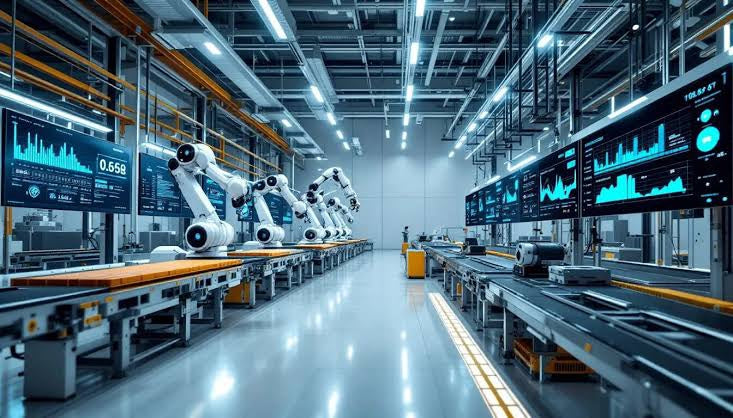
Demystifying Signal Isolators: Operating Principles, Architectural Types, and Industrial Applications
- 〡 by WUPAMBO
Industrial automation systems rely on pristine analog signal transmission across complex control loops. Instrument technicians and system integrators frequently deploy signal isolators to maintain signal integrity between field sensors and control platforms. Eliminating electrical noise, ground loops, and high-voltage transients protects delicate PLC, DCS, and SCADA input channels from permanent damage.
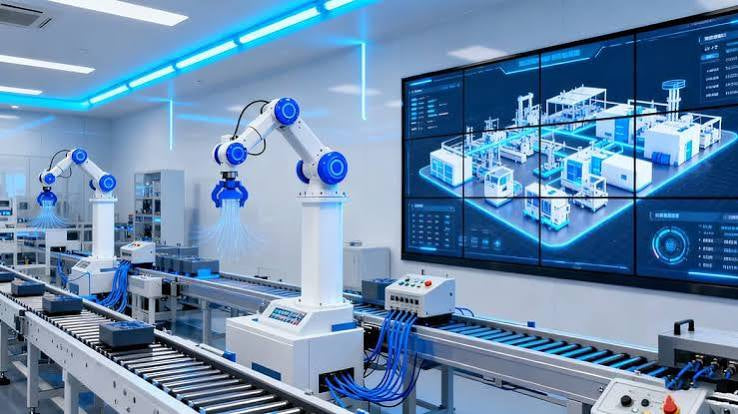
Demystifying Industrial Control Systems: Comparing PLC, DCS, RTU, SCADA, and PAC
- 〡 by WUPAMBO
Modern factory automation relies on distinct control architectures to manage complex process environments efficiently. Control engineers often evaluate PLC, DCS, RTU, SCADA, and PAC platforms when designing industrial infrastructure. Understanding the functional boundaries of each technology ensures optimal system performance, high availability, and long-term cost efficiency.

Evaluating Industrial Automation: Architectural Benefits and Operational Challenges
- 〡 by WUPAMBO
Modern manufacturing relies heavily on advanced industrial automation to streamline production cycles and maintain precise process execution. Automated control systems, programmable logic controllers (PLCs), and distributed control systems (DCS) replace repetitive manual intervention on shop floors. Evaluating the balance between operational gains and capital investment remains essential for engineering leaders planning smart factory upgrades.