Tech & Buying Guide
Evaluating Industrial Automation: Architectural Benefits and Operational Challenges
- 〡 by WUPAMBO
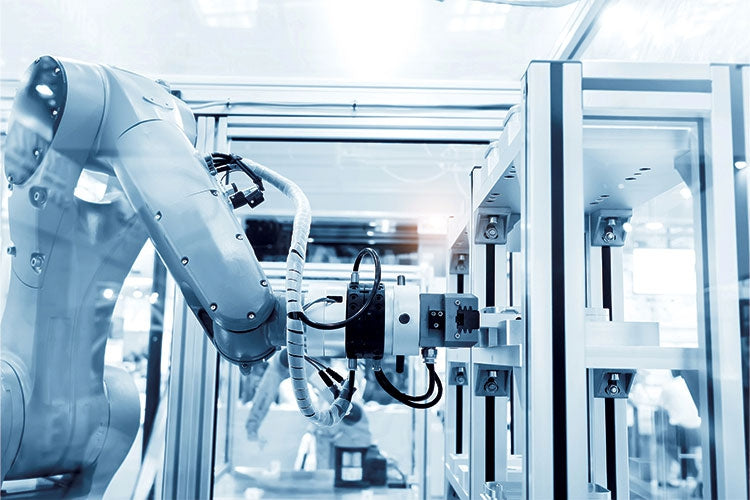
Modern manufacturing relies heavily on advanced industrial automation to streamline production cycles and maintain precise process execution. Automated control systems, programmable logic controllers (PLCs), and distributed control systems (DCS) replace repetitive manual intervention on shop floors. Evaluating the balance between operational gains and capital investment remains essential for engineering leaders planning smart factory upgrades.
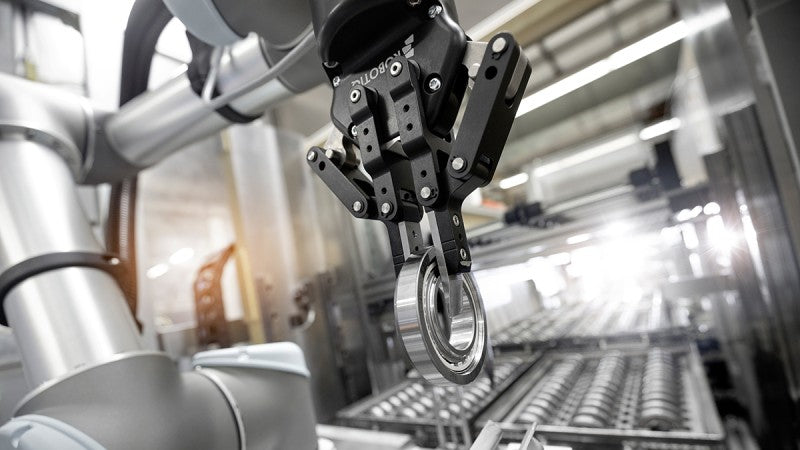
Strategic Emergency Shutdown Button Installation: Securing Industrial Gas Pipelines
- 〡 by WUPAMBO
Emergency Shutdown (ESD) systems serve as the critical last line of defense in power plants and chemical facilities. Plant engineers frequently install manual ESD pushbuttons at boundary fence lines near gas pipeline entry points. Positioning safety devices far from main generation units ensures fast isolation and protects personnel during major gas releases.
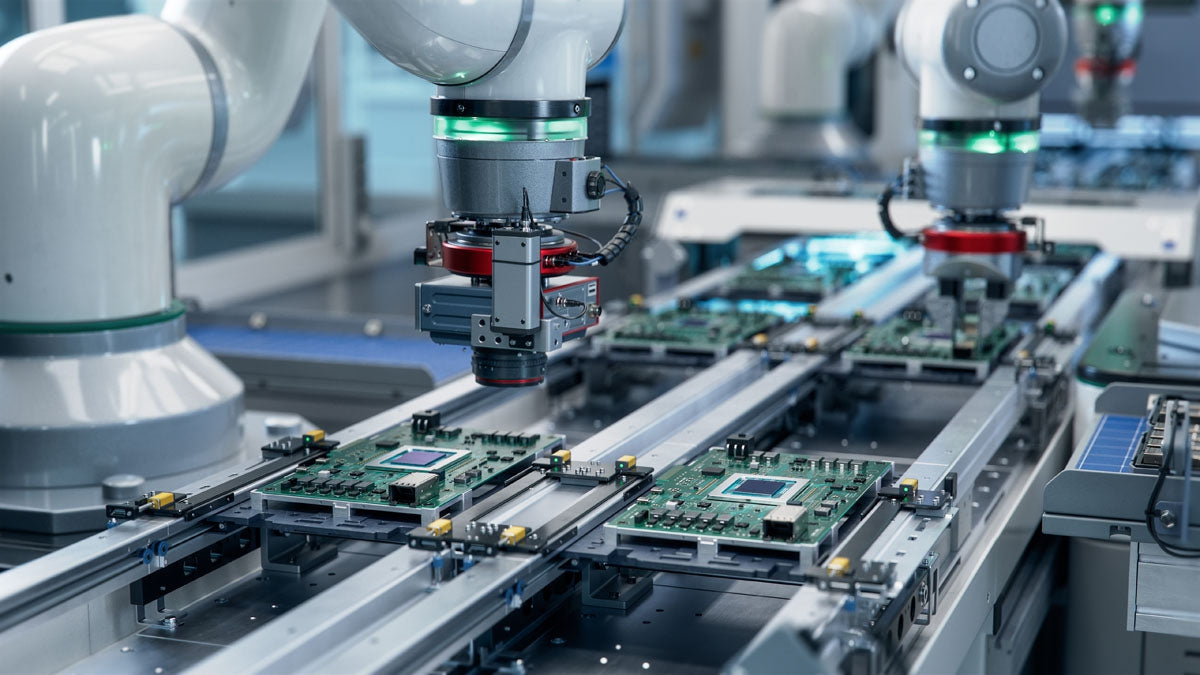
Multi-Touch HMI Technology: Transforming Interaction in Industrial Automation
- 〡 by WUPAMBO
Modern human-machine interfaces (HMIs) are evolving rapidly across factory floors worldwide. Traditional resistive touchscreens allowed operators to register only a single touch point at a time. Today, multi-touch HMI panels enable intuitive multi-finger gestures and concurrent multi-operator inputs in demanding industrial automation setups.
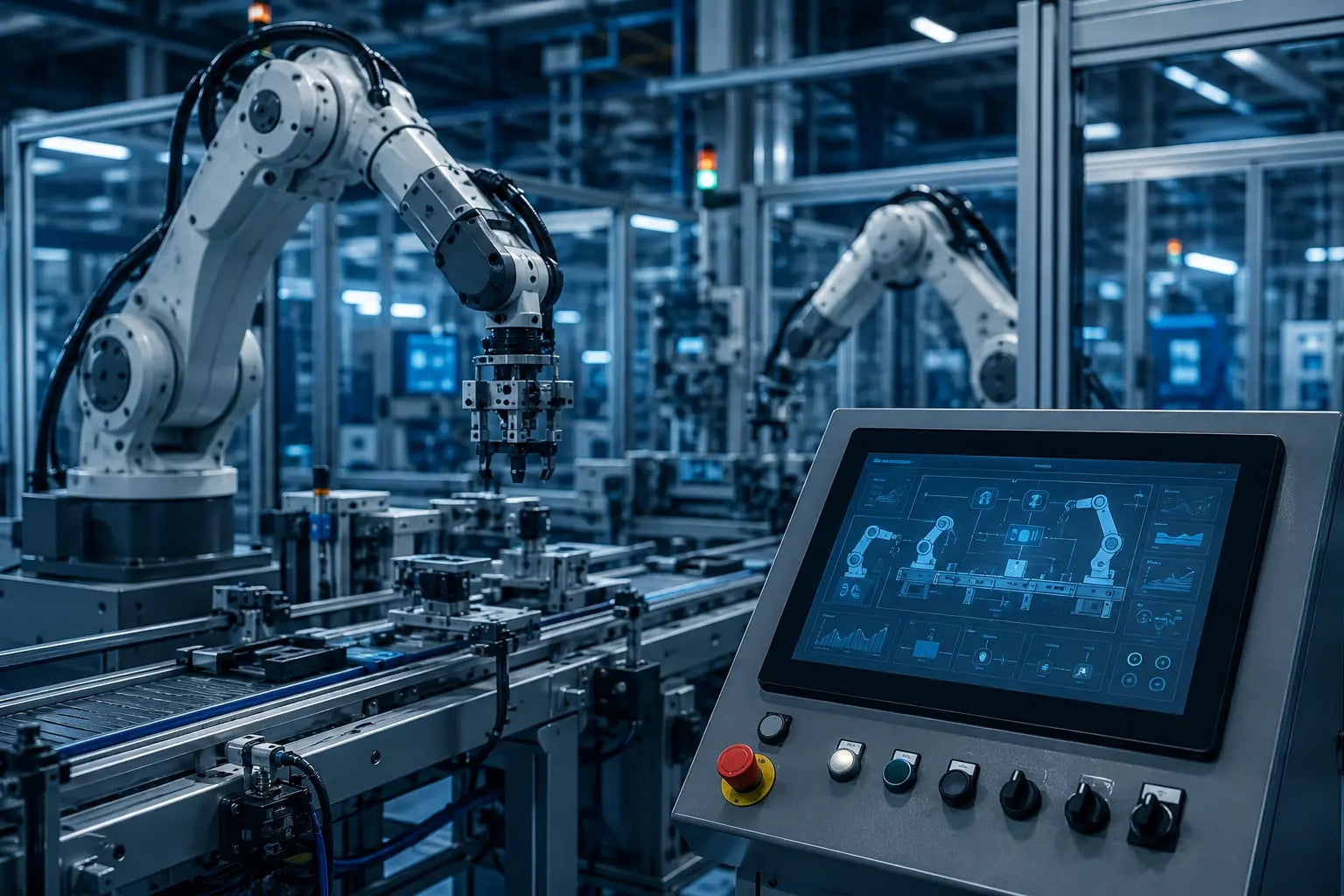
Centralized vs Decentralized Automation Systems: Architectural Trade-Offs in Modern Industrial Control
- 〡 by WUPAMBO
Industrial automation relies heavily on robust control architectures to manage complex processes efficiently. Engineers must choose between centralized and decentralized topologies when designing plant automation. This decision directly impacts system reliability, scalability, and long-term maintenance costs.
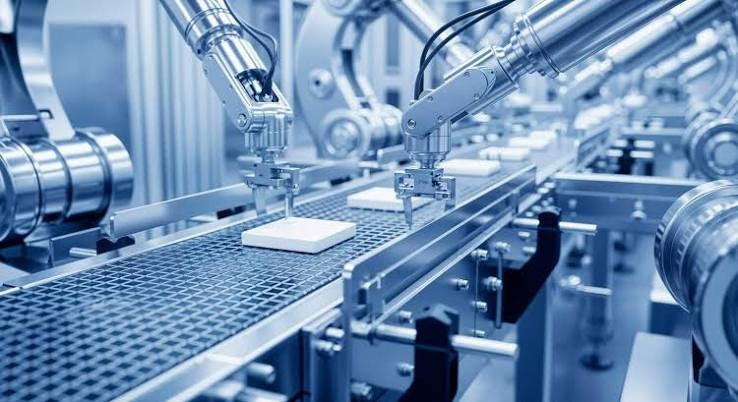
Engineering a Process Control System Philosophy: Principles and Operational Impact
- 〡 by WUPAMBO
A Process Control System (PCS) Philosophy serves as the foundational blueprint for modern plant engineering. During the design and construction phases, this document establishes clear guidelines for instrumentation and control (I&C) teams. Consequently, a well-defined philosophy directly dictates overall operational stability, maintenance efficiency, and future expansion capabilities across heavy process industries.
Engineering MCC Signal Interface Terminations in Modern Process Automation
- 〡 by WUPAMBO
Industrial manufacturing plants rely on Motor Control Centers (MCC) to drive critical electrical loads. Plant engineers must interface these MCC motor starters and drives with central control systems. Standardizing the Signal Interface Termination (SIT) architecture ensures seamless command delivery and feedback monitoring between field equipment and process automation platforms.