Tech & Buying Guide
Understanding Why Your PLC Enters Stop Mode: Causes and Troubleshooting
- 〡 by WUPAMBO
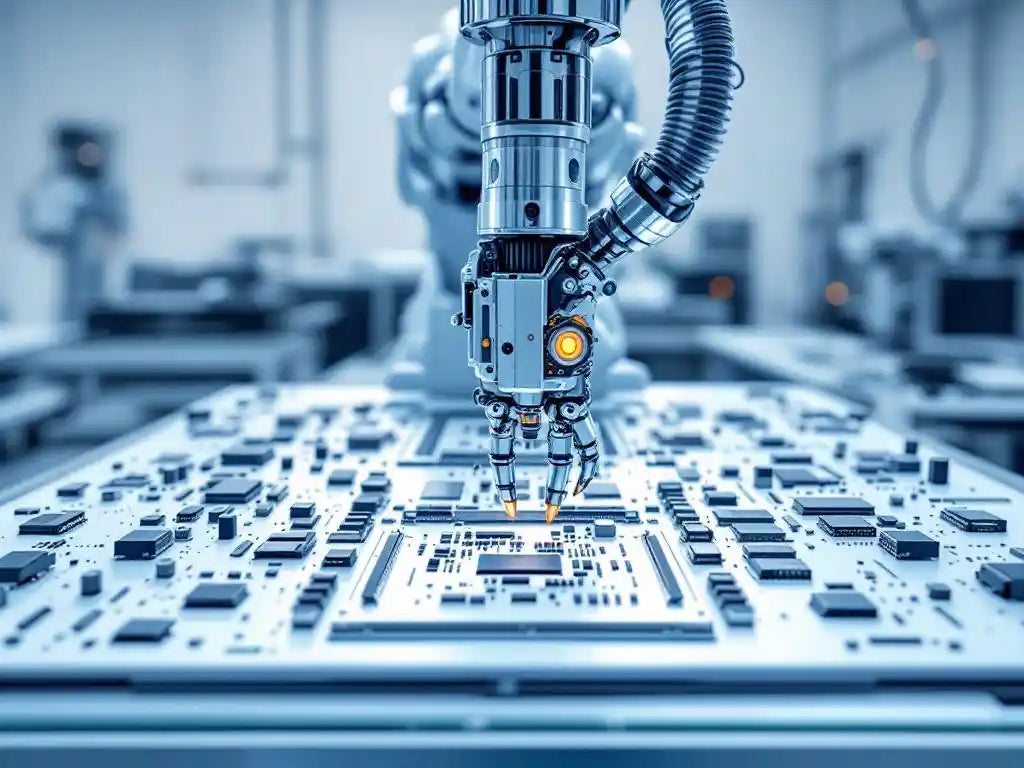
In industrial automation, programmable logic controllers (PLCs) serve as the core intelligence of modern factory automation and distributed control systems (DCS). Understanding how a PLC transitions between modes is vital for maintenance engineers. Typically, a PLC operates across four primary modes: Run, Stop, Start-Up, and Hold. When power is applied, the system immediately boots into Stop mode before initiating the Start-Up sequence. If the controller encounters a critical error during execution, it automatically reverts to Stop mode to prevent equipment damage. Therefore, monitoring these state transitions helps technicians maintain high system availability.
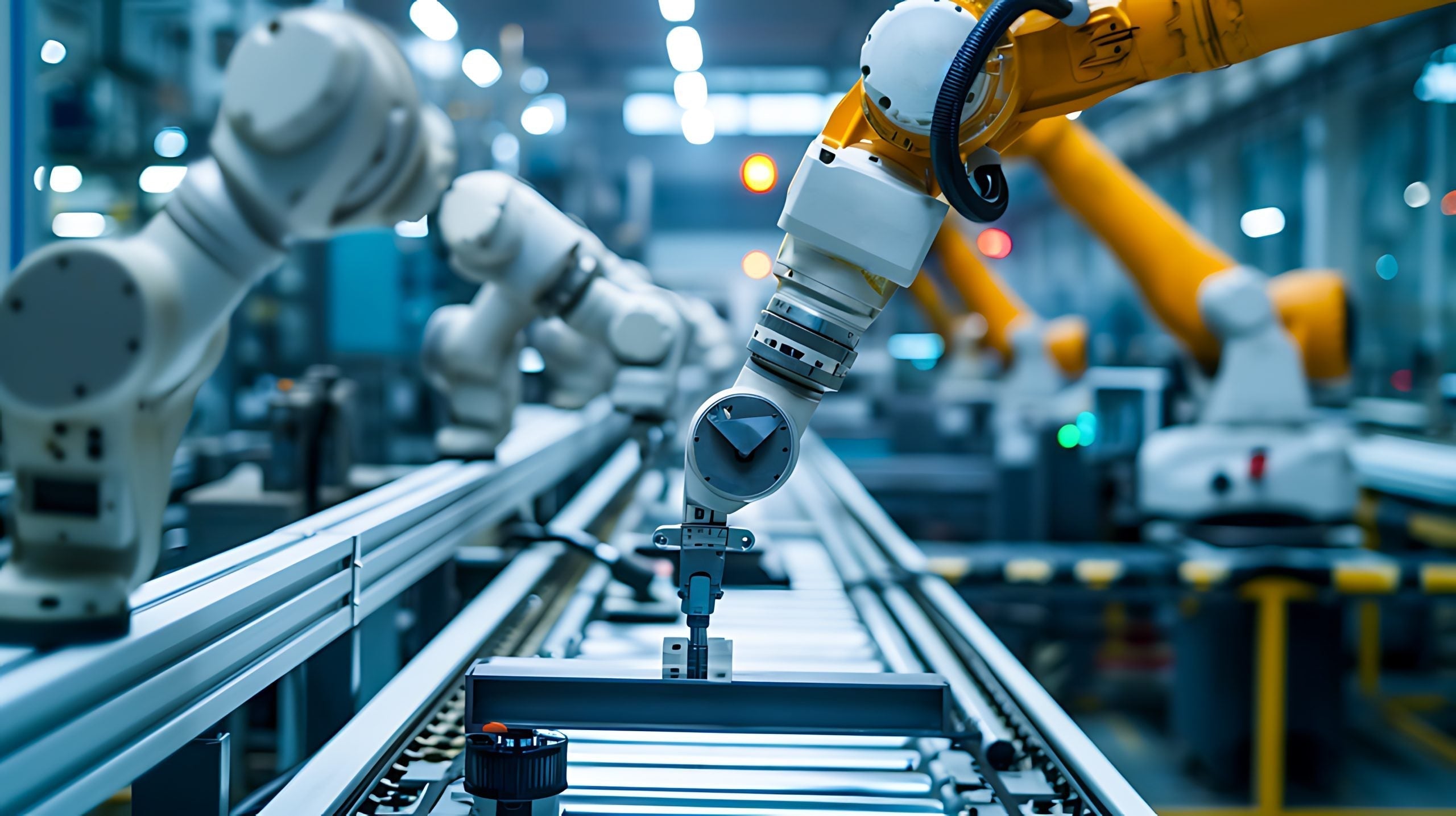
Essential PLC Maintenance Checkpoints for Reliable Industrial Automation
- 〡 by WUPAMBO
Maintaining Programmable Logic Controllers (PLCs) is crucial for the reliability and longevity of industrial automation. A structured maintenance schedule prevents failures, minimizes downtime, and ensures smooth factory automation. This guide covers key PLC maintenance checkpoints and best practices based on real-world experience.

How to Troubleshoot a PLC System: A Step-by-Step Guide for Industrial Automation
- 〡 by WUPAMBO
Programmable Logic Controllers (PLCs) form the backbone of industrial automation systems. When a fault occurs, production can stop instantly, leading to costly downtime. This guide explains a structured approach to troubleshooting a PLC or DCS (Distributed Control System), helping engineers identify and resolve problems efficiently.

Why SMPS is Essential in Industrial Control Panels
- 〡 by WUPAMBO
In industrial automation, a stable DC power supply is crucial for PLCs, HMIs, relays, and other control devices. Switched Mode Power Supplies (SMPS) provide reliable DC voltage, ensuring consistent operation of all low-power components inside control and instrumentation panels.