Tech & Buying Guide
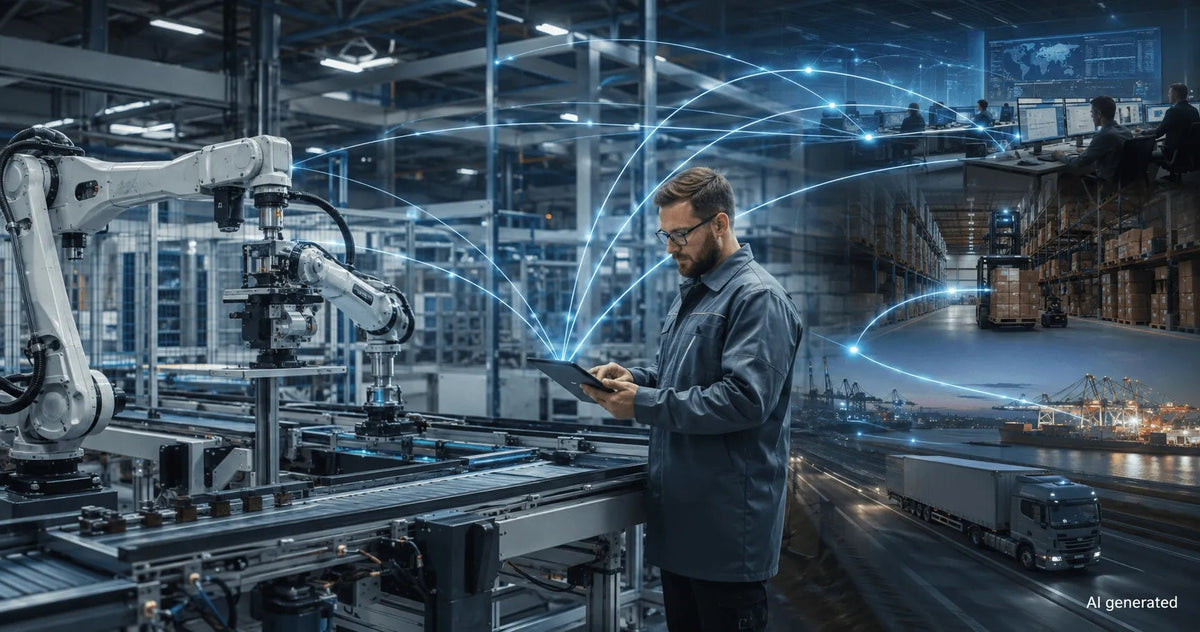
Navigating Industrial Intelligence: PLC vs. RTU in Modern Automation
- 〡 by WUPAMBO
Industrial automation relies heavily on robust control systems to manage complex processes efficiently. Engineers often face a critical decision when designing control architectures: should they deploy a Programmable Logic Controller (PLC) or a Remote Terminal Unit (RTU)? While both devices process inputs and manage outputs, their design philosophies serve distinct operational environments.
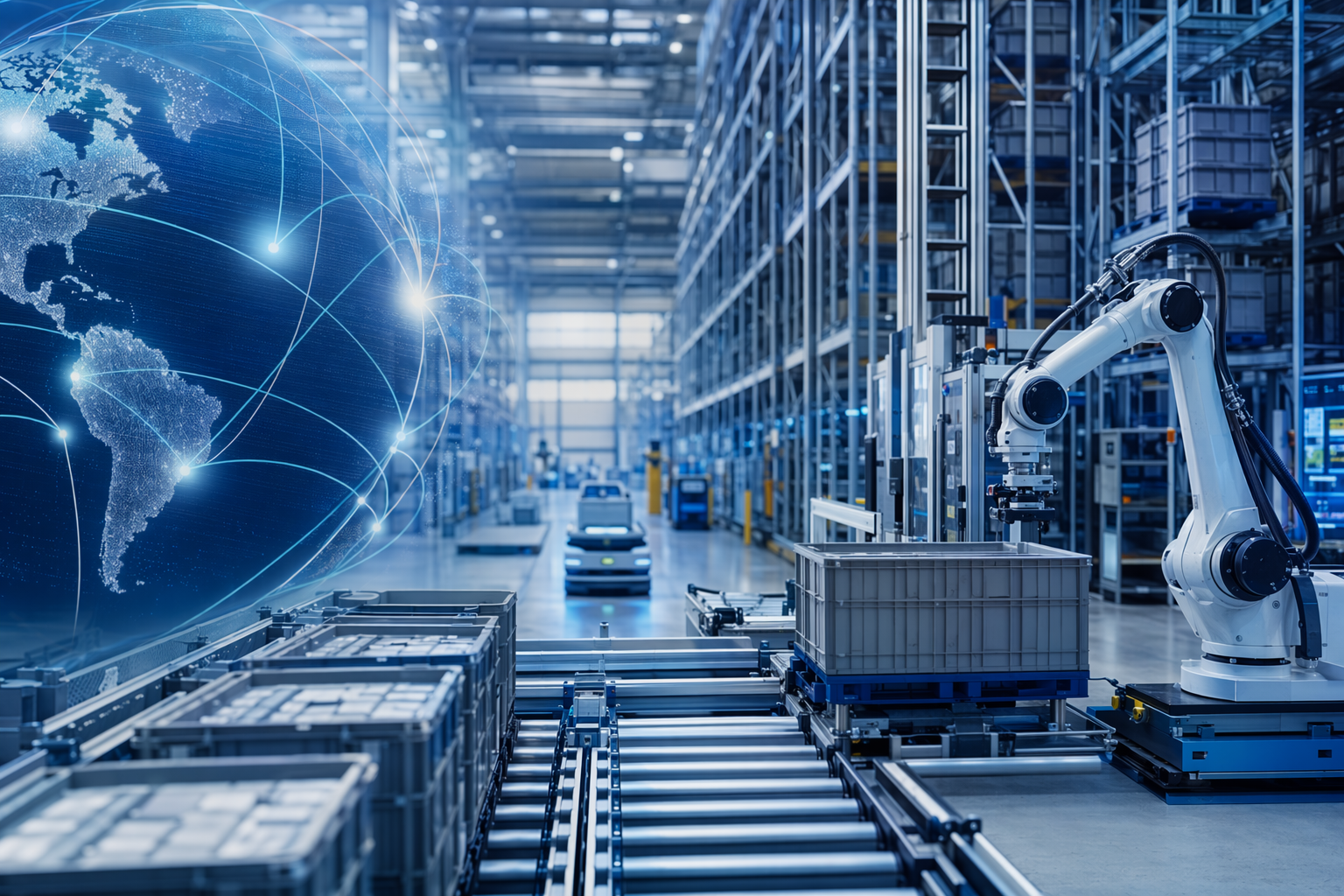
Evolving SCADA System Architectures in Industrial Automation
- 〡 by WUPAMBO
A robust Supervisory Control and Data Acquisition (SCADA) system serves as the heartbeat of modern industrial operations. Understanding SCADA system architecture is vital for engineers designing efficient control systems. These architectures have evolved from isolated, monolithic structures to highly interconnected, networked ecosystems. Choosing the right design requires balancing data visibility, processing power, and long-term scalability requirements.

Main Components of a SCADA System in Industrial Automation
- 〡 by WUPAMBO
Discover the key components of a SCADA system and how sensors, RTUs, master units, and communication networks integrate to monitor and control industrial processes in real time.
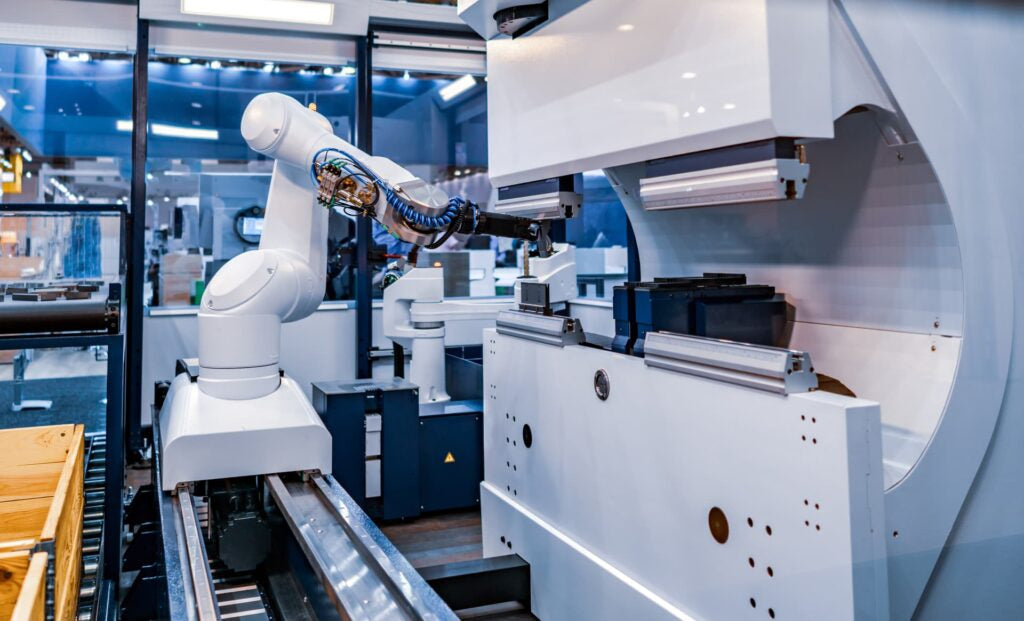
Difference Between DCS, PLC, and RTU in Industrial Automation
- 〡 by WUPAMBO
In modern industrial automation, three control systems dominate: Distributed Control Systems (DCS), Programmable Logic Controllers (PLC), and Remote Terminal Units (RTU). Each serves the same goal—monitoring and controlling processes—but is optimized for different applications and environments.