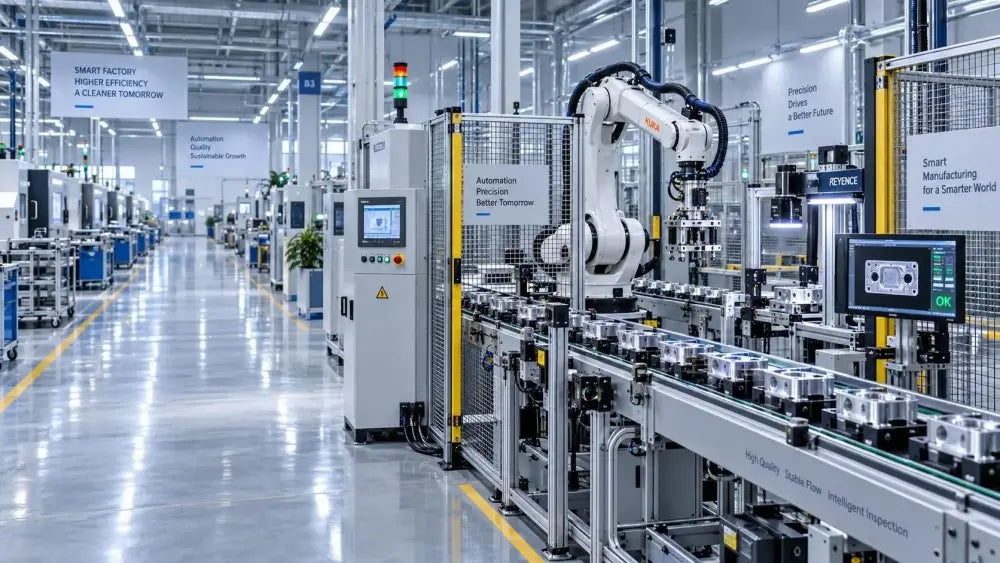
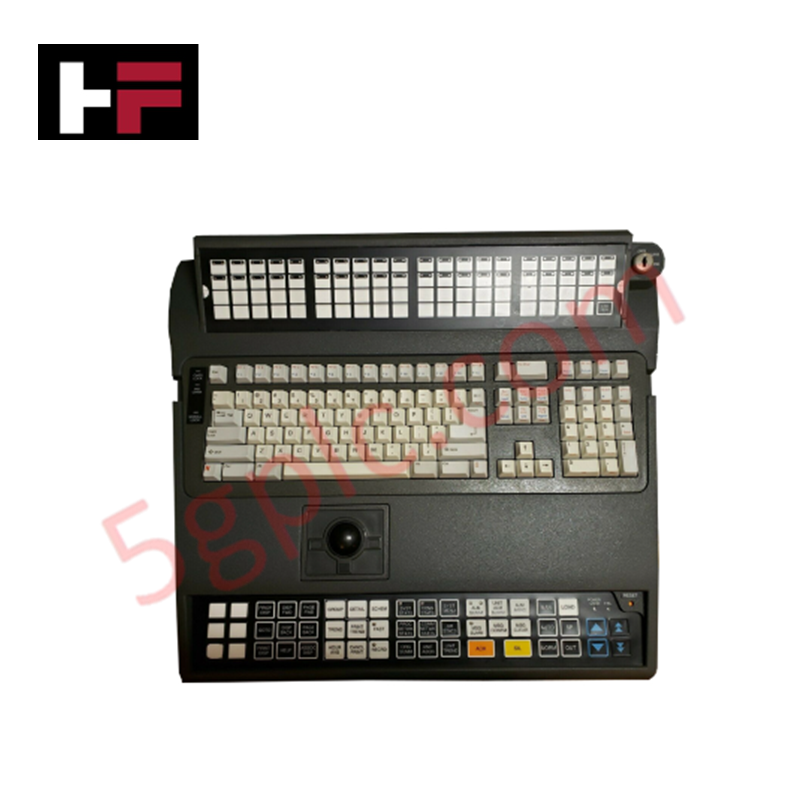
In industrial automation and control systems, operator interfaces have evolved to improve human-machine interaction. Multi-touch technology, once limited to consumer devices, now enhances HMI design in factory automation, allowing multiple simultaneous inputs for faster, more intuitive and efficient control.
Tech & Buying Guide
Industrial PC vs. Commercial PC: Selecting the Right Hardware for Automation
- 〡 by WUPAMBO
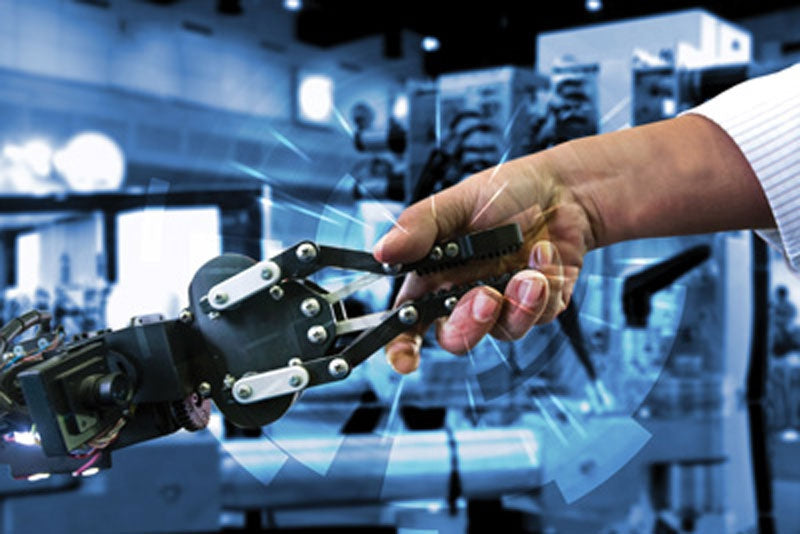
In the demanding world of factory automation, selecting the correct computing platform is critical for system reliability. While commercial PCs power our daily lives, they often fail when subjected to the harsh realities of the production floor. Understanding the fundamental differences between an Industrial PC (IPC) and a standard office PC helps engineers optimize control systems for longevity and performance.

PLC vs. HMI: Distinguishing the Brain from the Interface in Industrial Automation
- 〡 by WUPAMBO
In the realm of industrial automation, distinguishing between a Programmable Logic Controller (PLC) and a Human-Machine Interface (HMI) is fundamental. While both devices work in tandem, they serve distinct purposes. The PLC acts as the "brain" of the operation, executing logic, whereas the HMI serves as the "eyes," allowing operators to monitor and interact with the system. Understanding this synergy is essential for any professional designing robust factory automation solutions.
What Is a Human Machine Interface (HMI) in Industrial Automation?
- 〡 by WUPAMBO
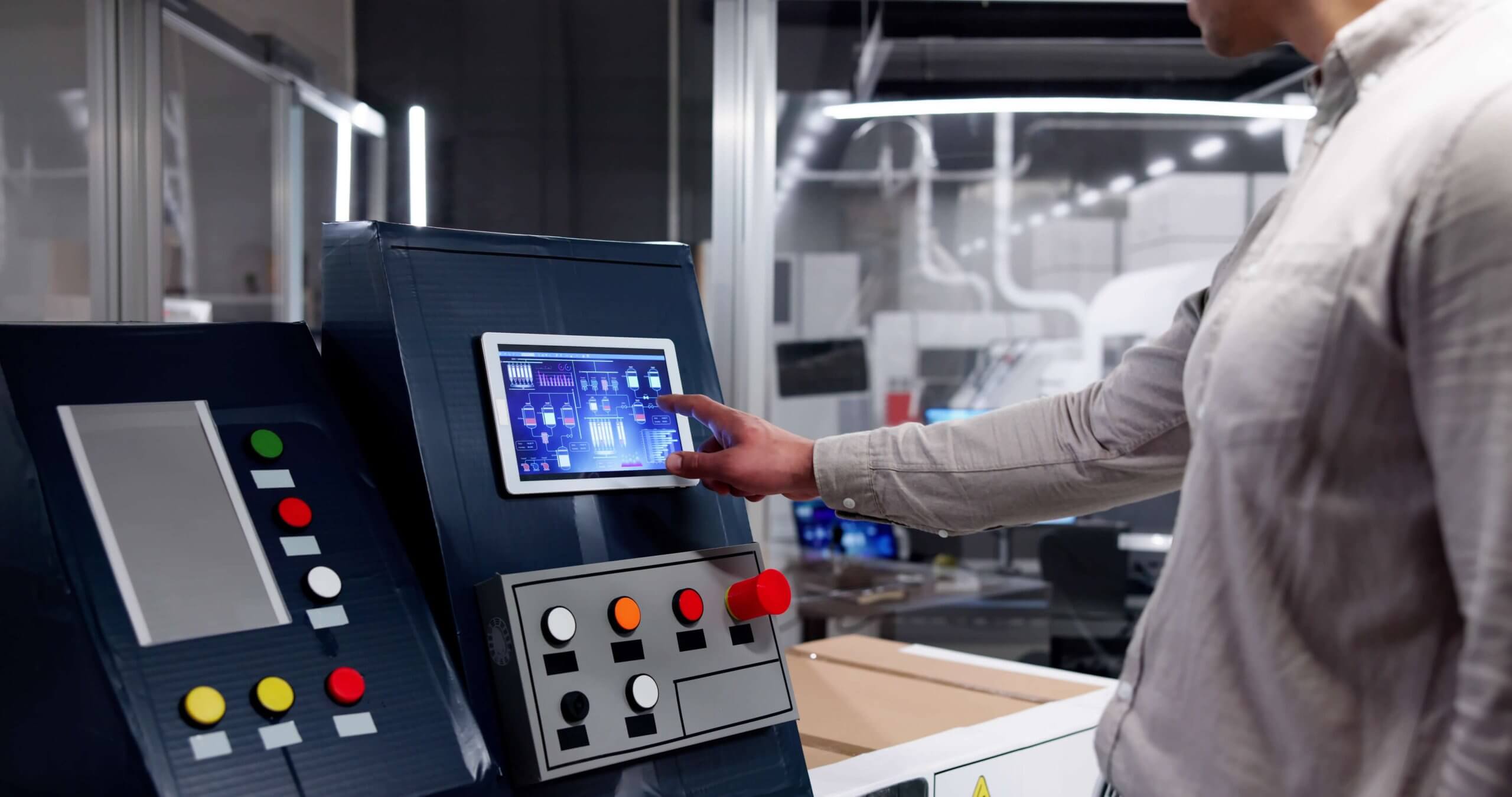
In modern automation, operators must interact seamlessly with PLCs, DCS, and SCADA systems. The Human Machine Interface (HMI) acts as the bridge between people and processes, converting raw control data into clear visual information. HMIs enable monitoring, supervision, and efficient decision-making in complex industrial environments.
Recent Posts