In industrial automation, relays are essential for switching circuits, protecting equipment, and ensuring safety. From PLC panels to motor control centers, they form the foundation of electrical systems. This article explains what a relay is, how it works, and the main types used in factory automation.
Tech & Buying Guide

Understanding Safety Relays in Industrial Automation: Architecture, Operation, and Functional Safety
- 〡 by WUPAMBO
Standard electromechanical relays provide basic electrical isolation between low-voltage control circuits and high-power output loads. A traditional switching relay features a magnetic coil driving mechanical Common (COM), Normally-Open (NO), and Normally-Closed (NC) contacts. However, standard relays pose severe functional risks when deployed in critical safety interlock circuits. High current inrush or mechanical wear can weld contacts together permanently. If contact welding occurs in an emergency stop circuit, pressing the button fails to halt hazardous machinery movements. Consequently, global functional safety standards prohibit standard relays for critical machine guarding functions.
Safety Relays in Industrial Automation: Fundamentals, Design Standards, and Fail-Safe Architecture
- 〡 by WUPAMBO
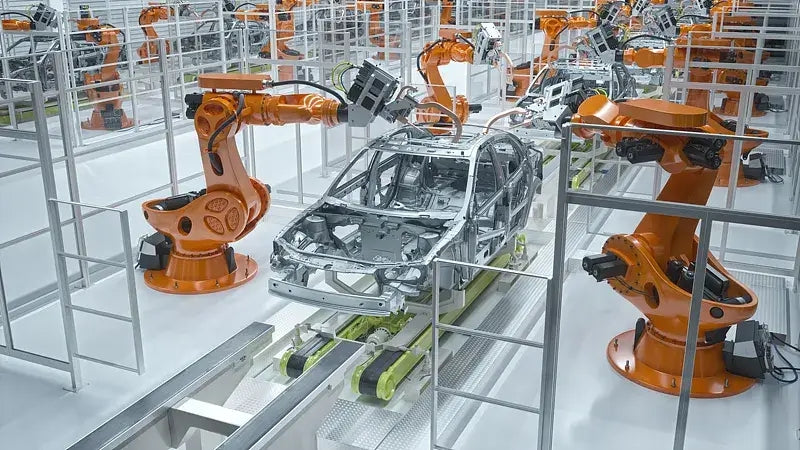
Safety relays form the bedrock of functional safety in modern factory automation, preventing catastrophic equipment failure and protecting plant personnel. While standard electromechanical relays handle basic load switching, they lack the redundant diagnostics required for high-risk industrial environments. Modern industrial automation platforms—including programmable logic controllers (PLCs) and distributed control systems (DCS)—rely on specialized safety relays to monitor field devices and isolate hazards instantly.
Recent Posts