Tech & Buying Guide
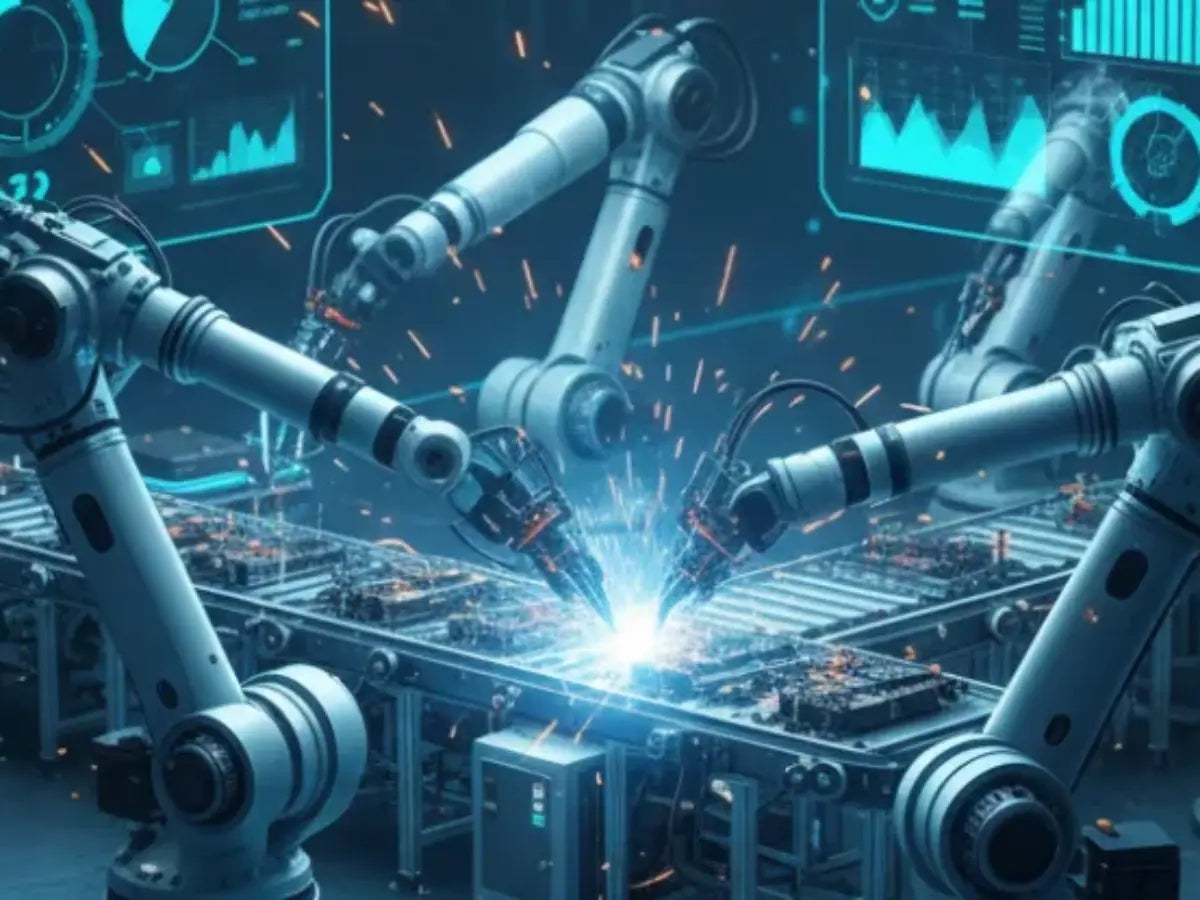
Implementing FIFO and LIFO Data Sequencing in PLC Programming
- 〡 by WUPAMBO
Data management serves as a cornerstone of modern industrial automation. Whether tracking materials on a conveyor or managing batch sequences in a process, engineers frequently rely on sequential logic. Two primary structures—First-In-First-Out (FIFO) and Last-In-First-Out (LIFO)—form the bedrock of this data handling. Mastering these blocks allows programmers to optimize complex machine operations efficiently.
Choosing the Right Controller: PLC vs. Motion Controller in Industrial Automation
- 〡 by WUPAMBO
Selecting the optimal control architecture is a foundational decision in industrial automation. Engineers must frequently choose between a Programmable Logic Controller (PLC) and a dedicated Motion Controller. While both systems manage machinery, their underlying design philosophies differ significantly, impacting performance, scalability, and system integration.

Mastering Data Buffering: FIFO and LIFO Sequences in PLC Programming
- 〡 by WUPAMBO
Effective data management is a cornerstone of modern industrial automation. Sequential logic allows engineers to organize information flow within a control system efficiently. Two primary methods for handling data stacks are FIFO and LIFO. Understanding these concepts is essential for optimizing factory automation processes, such as material tracking and recipe management.

Optimizing PLC Performance Through Effective Memory Organization
- 〡 by WUPAMBO
Efficient memory management is a cornerstone of high-performance industrial automation. Programmers must understand how a PLC (Programmable Logic Controller) organizes data to ensure system stability. Improper memory allocation can lead to slow scan times or hardware overflows. Therefore, engineers categorize PLC memory into two primary sections: Data Files and Program Files. This structured approach allows the CPU to process logic and variables with maximum efficiency.

PLC Memory Organization: Data Files and Program Files Explained
- 〡 by WUPAMBO
In industrial automation, PLC performance heavily depends on memory management. Efficient memory allocation ensures smooth execution of control systems and reduces runtime errors. PLC memory is mainly divided into data files and program files.

Machine Expert vs Machine Expert Basic: Key Differences in Schneider PLC Software
- 〡 by WUPAMBO
Machine Expert Basic and Machine Expert are key Schneider PLC software tools designed for different automation needs. Basic suits small-scale applications with simple programming, while Machine Expert offers advanced features, multiple languages, and better scalability for complex control systems, making it ideal for modern industrial automation projects.