Key Functions of a SCADA System in Industrial Automation
- 〡
- 〡 by WUPAMBO

Introduction to SCADA Functionality
A SCADA (Supervisory Control and Data Acquisition) system serves as the digital nervous system of industrial automation. It enables continuous monitoring, control, and optimization of complex industrial processes across large geographic areas.
SCADA’s primary functions include data acquisition, networked communication, data presentation, and control. Each of these is performed through four essential components—sensors, RTUs, master stations, and communication networks. Together, they ensure seamless integration between field equipment and control centers.
Data Acquisition: Gathering Real-Time Field Information
The first core function of a SCADA system is data acquisition. It involves collecting information from hundreds or even thousands of field devices—ranging from digital sensors (on/off states) to analog sensors (continuous measurements such as temperature or pressure).
For example, analog inputs monitor variables like voltage, flow, or tank levels, while discrete inputs detect equipment states such as pump on/off or valve open/closed. These sensors ensure that real-time data from every subsystem is accurately captured and transmitted to the control network.
Advanced SCADA platforms can also define multiple alarm thresholds (e.g., Minor Under, Major Under, Minor Over, Major Over) to notify operators before critical conditions escalate.
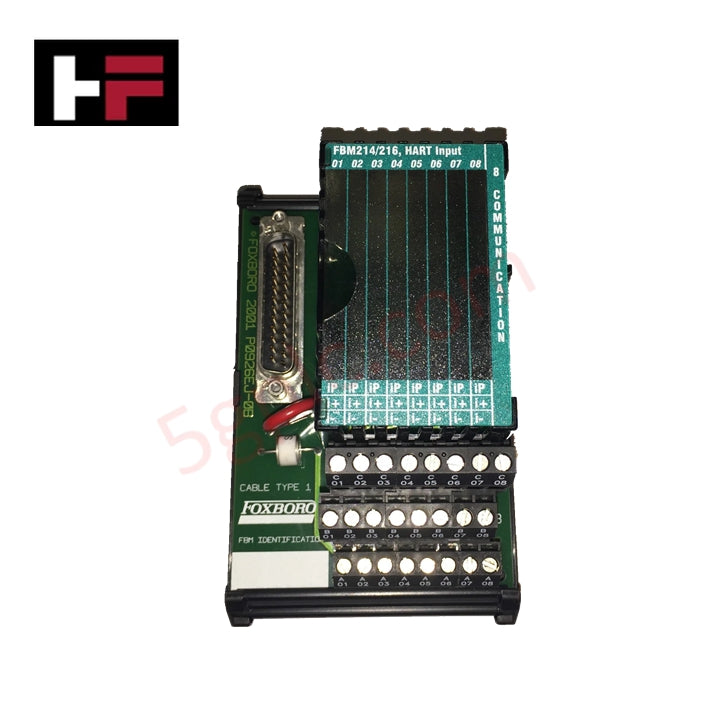
Author Insight: In large facilities, engineers often integrate smart transmitters and HART communication to improve diagnostic visibility and reduce manual intervention.
Data Communication: Linking the Field to the Control Room
Reliable and secure data communication is the backbone of any SCADA system. Early implementations used radio, leased telephone lines, or serial communication. Modern SCADA systems now use Ethernet/IP, Modbus TCP, and fiber-optic networks for high-speed, deterministic communication.
Remote Terminal Units (RTUs) and Programmable Logic Controllers (PLCs) play a vital role here. They translate sensor signals into standard communication protocols and send them to the master station. Conversely, the master sends control commands back to RTUs for execution in the field.
For cybersecurity, modern SCADA systems operate over isolated LAN/WAN networks with firewalls and encryption, minimizing exposure to external threats.
Expert Tip: Always ensure protocol standardization (e.g., IEC 60870-5-104, DNP3, or OPC UA) to achieve interoperability between different automation vendors.
Data Presentation: Visualizing Process Information
The third SCADA function, data presentation, provides operators with clear, actionable insights through an HMI (Human-Machine Interface) or HCI (Human-Computer Interface).
The master station continuously monitors process parameters and displays them as graphical dashboards, alarms, and trend charts. Operators can visualize system performance in real time, review historical logs, and analyze performance data to make informed operational decisions.
Modern SCADA visualization systems often feature customizable dashboards, alarm prioritization, and event logging—helping users to quickly identify process deviations and respond effectively.
Author Comment: A well-designed HMI improves plant safety and efficiency. In smart factories, role-based dashboards and mobile SCADA applications enhance situational awareness across departments.
Control: Managing Industrial Processes in Real Time
The final and most impactful SCADA function is control. Using the master station, operators can issue remote commands—such as opening valves, adjusting pressure, or switching equipment on and off.
In factory automation environments, SCADA can coordinate multiple subsystems based on sensor feedback. For instance, if a conveyor motor fails, the system can automatically reduce upstream production speed to prevent congestion.
Moreover, modern control logic allows automatic regulation of critical processes without human intervention. For example:
-
In power generation, SCADA adjusts turbine output to match grid demand.
-
In oil and gas, it opens relief valves if pipeline pressure exceeds safety limits.
Manual override remains available, ensuring operators can intervene when necessary.
Industry Observation: As artificial intelligence and predictive control algorithms evolve, SCADA systems are becoming increasingly autonomous, capable of optimizing processes based on historical trends
- Posted in:
- control systems
- data acquisition
- factory automation
- PLC systems
- process control
- remote monitoring
- SCADA functions