Tech & Buying Guide

Microcontroller vs. PLC: Choosing the Right Controller for Industrial Automation
- 〡 by WUPAMBO
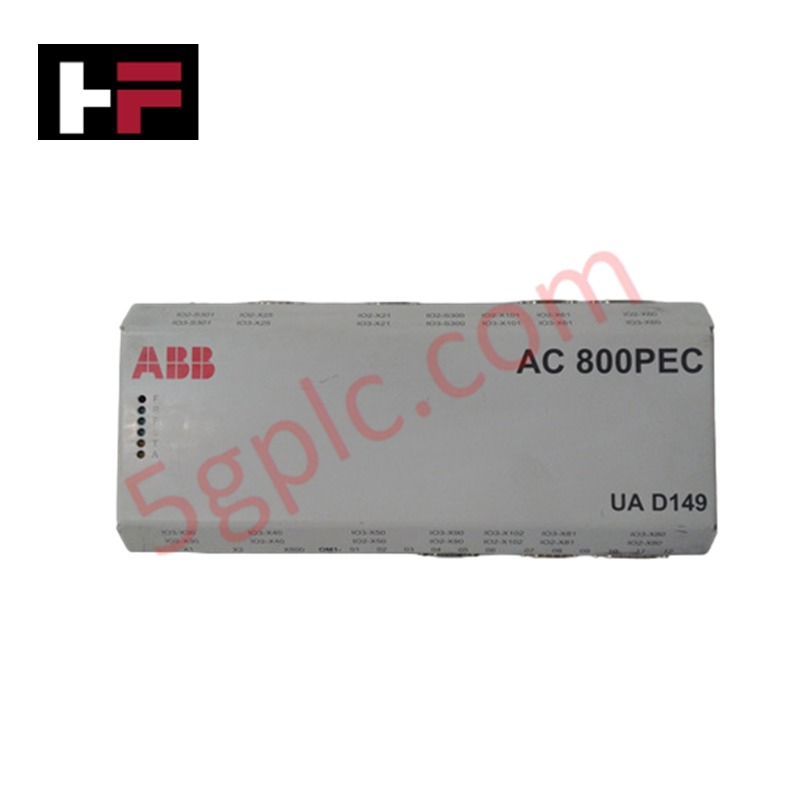
Engineers have long sought the perfect balance between flexibility and reliability when controlling complex systems. Today, two primary technologies dominate the landscape: the Microcontroller and the Programmable Logic Controller (PLC). While both serve as the "brain" of a system, they cater to vastly different environments. Understanding their core differences is essential for designing efficient control systems.

Essential DCS Commissioning Steps for Industrial Plant Success
- 〡 by WUPAMBO
DCS commissioning is the vital bridge between construction and production. This phase validates that industrial automation infrastructure meets its functional design, ensuring safety and long-term reliability. By following rigorous protocols, engineers successfully transition from hardware installation to live process control.
Comprehensive Guide to PLC and DCS Control System Spares Management
- 〡 by WUPAMBO
Effective inventory management is the heartbeat of a reliable industrial automation facility. For complex control systems, simply having "extra parts" is insufficient. Engineers must categorize spares based on their lifecycle and functional role. This strategic approach ensures that PLC and DCS systems remain operational during commissioning, daily production, and future expansions.
Modern SCADA Systems: Architecture, Topologies, and Industrial Applications
- 〡 by WUPAMBO
The definition of SCADA (Supervisory Control and Data Acquisition) has shifted as technology advanced. In previous decades, SCADA described a unified package of hardware and software. Today, however, many experts use the term to describe the high-level software layer. This layer visualizes data from PLC and DCS networks. Despite these changes, the core mission remains the same. SCADA systems provide oversight for vast, geographically dispersed assets.
Essential Guide to Siemens PLC Communication Ports and Protocols
- 〡 by WUPAMBO
In modern industrial automation, a controller is only as powerful as its ability to communicate. Siemens PLCs utilize a variety of onboard ports to exchange data with HMIs, drives, and other field devices. Understanding these interfaces is critical for designing robust control systems. This guide explores the technical specifications and practical applications of the most common Siemens communication ports.

Mastering Siemens Interface Modules (IM): The Backbone of Distributed I/O
- 〡 by WUPAMBO
In the realm of industrial automation, efficiency depends on how effectively a system communicates with its peripherals. The Siemens Interface Module (IM) serves as the critical link in this architecture. It enables seamless data exchange between centralized controllers and decentralized hardware. Whether you are working with the S7-300, S7-1500, or ET 200 series, understanding the IM is essential for modern control systems.