Tech & Buying Guide
Essential Motion Control Commands: A Practical Guide for Engineers
- 〡 by WUPAMBO
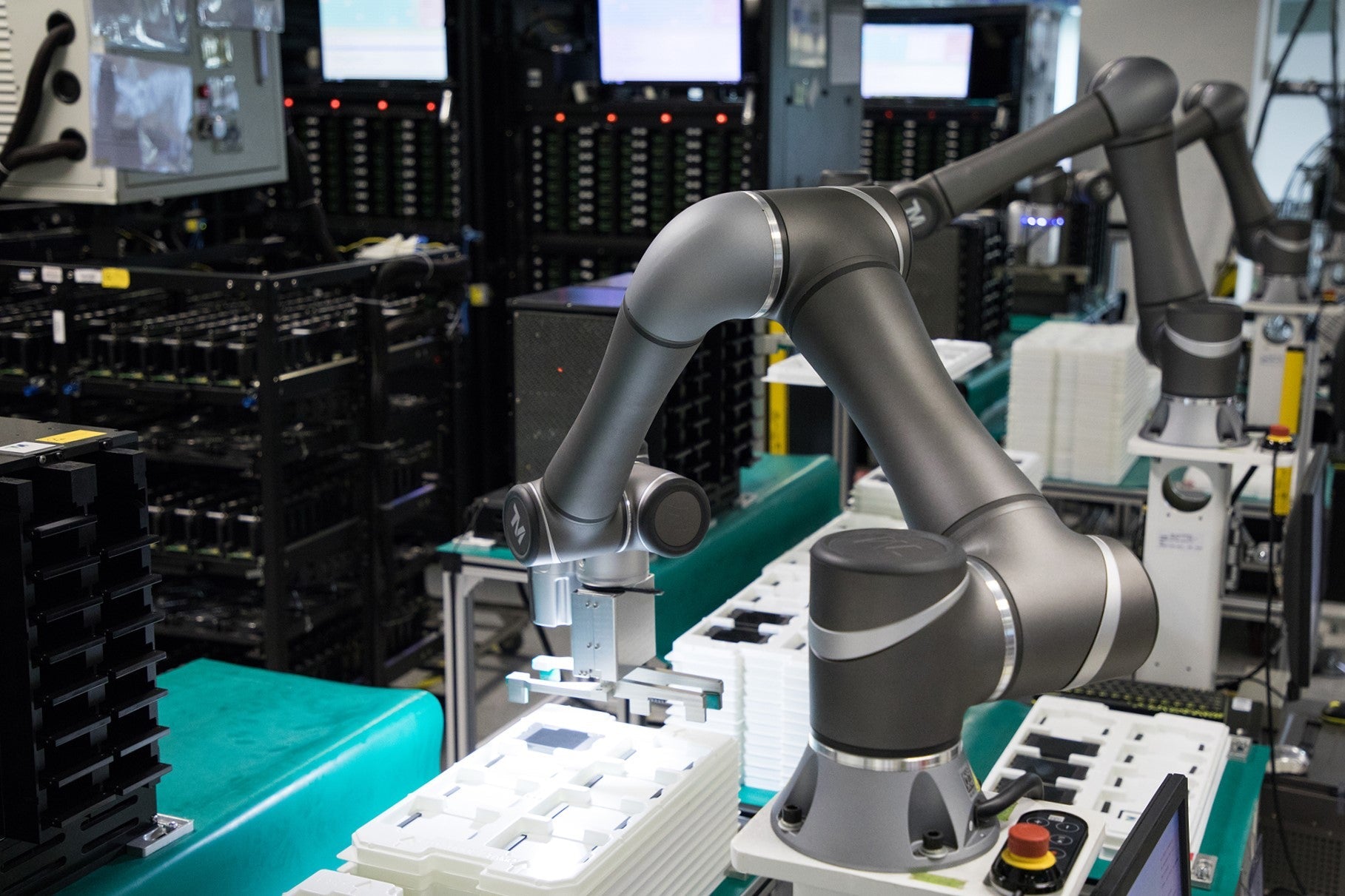
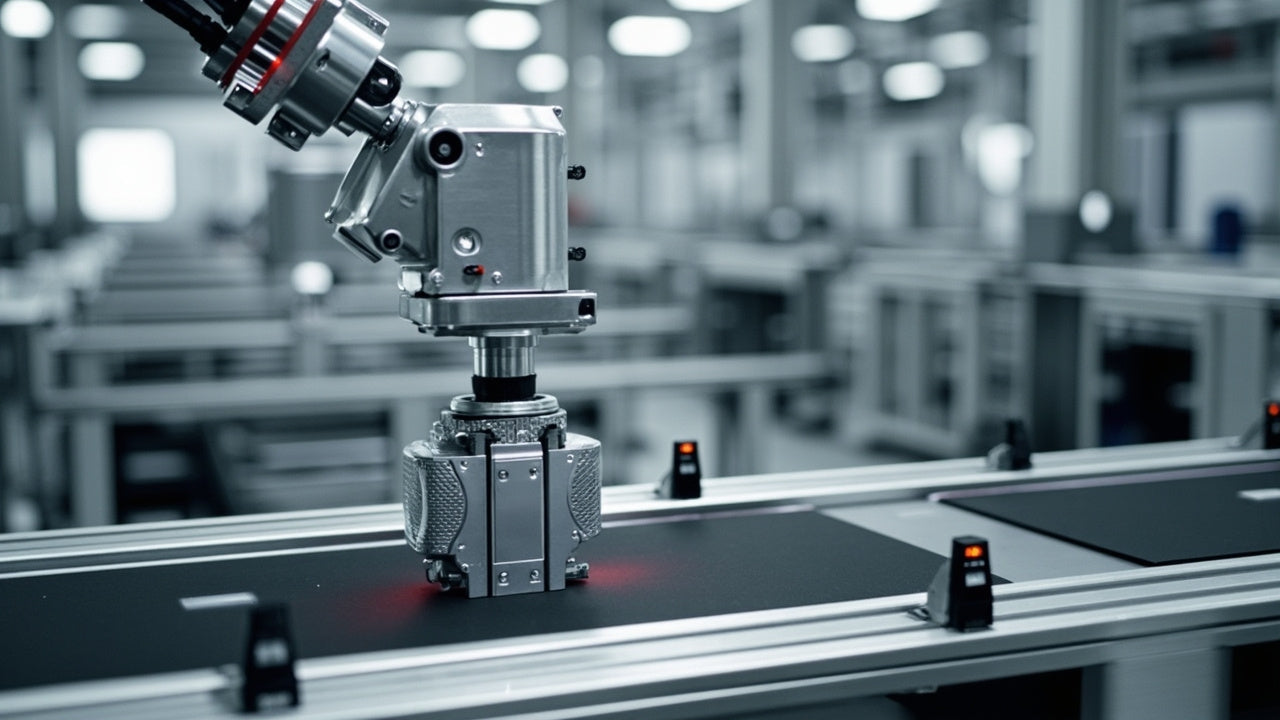
Automation engineers often rely on precise position and speed control to drive modern factory machinery. Modern industrial systems, such as Programmable Logic Controllers (PLCs) and Distributed Control Systems (DCS), depend heavily on standardized motion instructions. Mastering these commands ensures operational safety, protects mechanical components, and optimizes cycle times across production lines.

Demystifying PLC Memory: A Technical Guide to Architecture, Retention, and Performance
- 〡 by WUPAMBO
Modern industrial automation relies heavily on the reliability of programmable logic controllers (PLCs). At the heart of every PLC lies its memory system. This subsystem directly dictates scan times, program capacity, and data survival during power outages. For field engineers, understanding how a control system allocates, retains, and secures this memory is essential for writing efficient code and preventing costly downtime.

Executing a PLC System Site Acceptance Test (SAT): The Definitive Engineering Guide
- 〡 by WUPAMBO
The transition of a Programmable Logic Controller (PLC) cabinet from a controlled factory floor to a volatile plant environment represents a critical milestone in factory automation. While a Factory Acceptance Test (FAT) validates standalone hardware compliance under ideal conditions, it cannot replicate real-world process dynamics. Therefore, deploying an industrial automation system requires a rigorous Site Acceptance Test (SAT) to verify total loop integrity, field wiring wiring metrics, and process control parameters before final customer handover.

Understanding Remote Terminal Units: The Core of SCADA and Telemetry Systems
- 〡 by WUPAMBO

Ultimate Guide to Schneider Electric PLCs: Selecting Control Systems for Small to Medium Automation
- 〡 by WUPAMBO
Schneider Electric remains a dominant force in global industrial automation, delivering robust control systems across diverse sectors. For control engineers, selecting the right programmable logic controller (PLC) requires balancing budget, communication ports, and processing power. This technical breakdown explores Schneider’s small and medium portfolio, offering field-tested insights to help you optimize your next factory automation project.

Essential Maintenance Guide for PLC, DCS, and ESD Marshalling Cabinets
- 〡 by WUPAMBO
Marshalling cabinets serve as the vital interface between field instrumentation and your core control systems. In large-scale industrial automation, these panels house the intricate wiring for PLC, DCS, and Emergency Shutdown (ESD) systems. Regular, systematic health checks are non-negotiable to ensure operational reliability and prevent costly unplanned downtime.