










Mastering Siemens Interface Modules (IM): The Backbone of Distributed I/O
- 〡
- 〡 by WUPAMBO
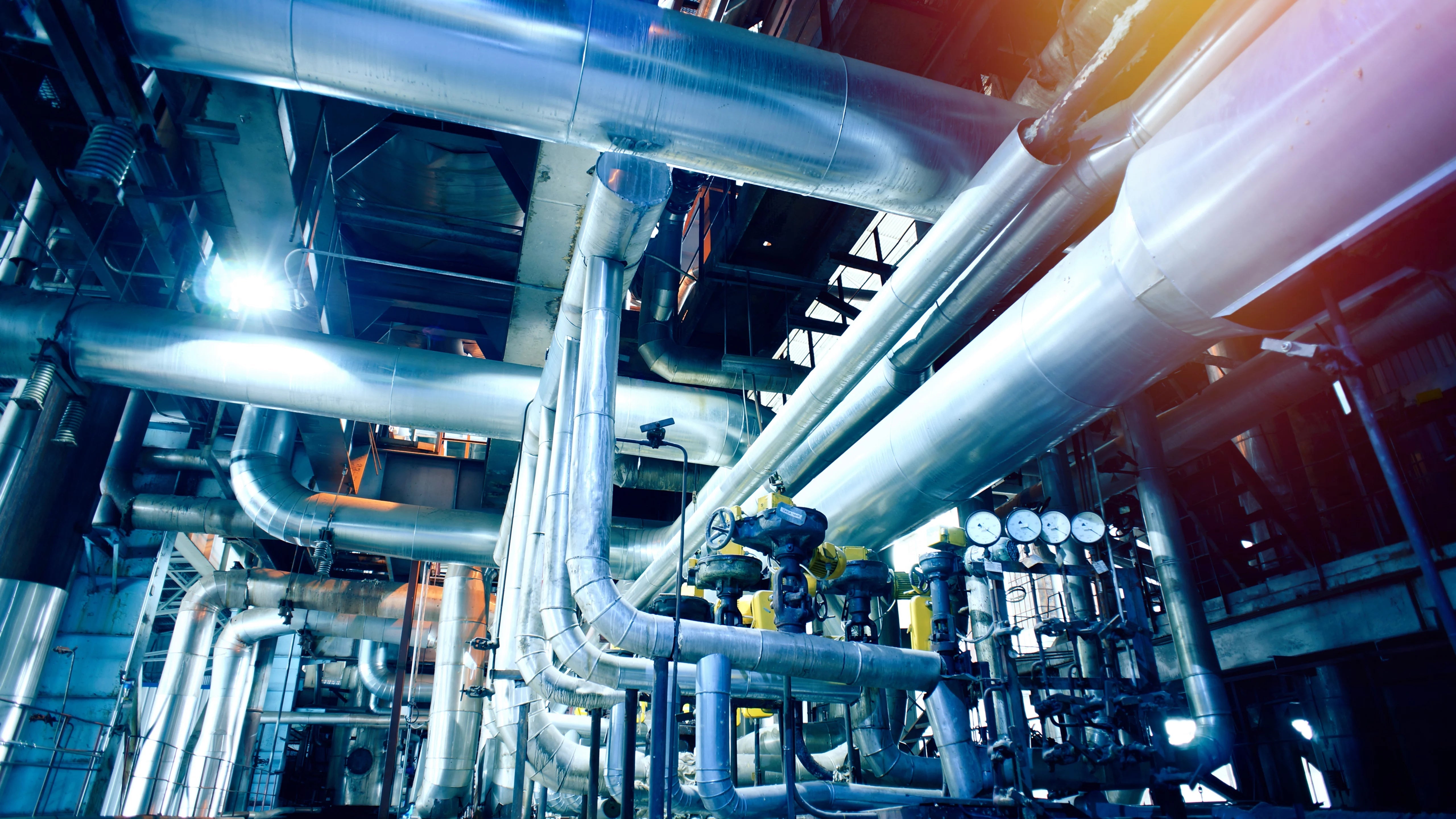
In the realm of industrial automation, efficiency depends on how effectively a system communicates with its peripherals. The Siemens Interface Module (IM) serves as the critical link in this architecture. It enables seamless data exchange between centralized controllers and decentralized hardware. Whether you are working with the S7-300, S7-1500, or ET 200 series, understanding the IM is essential for modern control systems.
Defining the Role of the Interface Module
An Interface Module acts as a communication bridge for distributed I/O systems. Its primary function is to connect I/O modules to a central PLC via a fieldbus. Instead of the CPU processing every local signal through direct wiring, the IM manages the data traffic. Consequently, the CPU can focus on logic execution while the IM handles peripheral communication.
Solving the Challenge of Long-Distance Wiring
Traditional factory automation often required thousands of meters of copper cabling. This "home-run" wiring approach increased material costs and complicated troubleshooting. However, by using an IM, engineers can implement Remote I/O stations. You simply place the I/O modules near the field devices. Then, a single PROFINET or PROFIBUS cable connects the remote station to the main control panel. As a result, companies save significantly on installation time and cable expenses.
Enhancing Scalability through Multi-Rack Configurations
In complex control systems, a single rack often lacks sufficient slots for all required modules. For instance, the legacy Siemens S7-300 supports limited modules per rack. To expand, you must add an expansion rack. An IM is installed in the first rack and linked to a second IM in the expansion rack. This daisy-chain configuration allows the CPU to address modules across multiple physical locations as if they were local.
Choosing Between PROFINET and PROFIBUS
Selecting the right IM depends heavily on your network protocol. Most modern Siemens installations favor PROFINET due to its high speed and integration with standard IT infrastructure. Older "Brownfield" sites might still utilize PROFIBUS DP for its proven reliability in rugged environments. Regardless of the protocol, the IM ensures that the data reaches the PLC cyclically and deterministically.
Expert Insight: Redundancy and Reliability
From 15 years of field experience, I recommend using high-feature (HF) interface modules for critical processes. These modules often support media redundancy (MRP). If a communication cable breaks, the network automatically reroutes the data. In addition, some IMs allow for "Hot Swapping." This means you can replace a faulty I/O module without powering down the entire system, which is vital for continuous industrial automation processes.
Application Case: Remote Water Tr eatment Station
In a large-scale water treatment facility, pumps and sensors are often located kilometers away from the main DCS or PLC. By installing a Siemens ET 200SP station with an IM 155-6 PN, the facility monitors flow rates and valve positions over a fiber optic PROFINET link. This setup reduces signal interference and provides the maintenance team with granular diagnostics via the TIA Portal.
About the Author: Li Ming
Li Ming is a senior automation architect with over 15 years of experience in global industrial automation projects. He has extensive expertise in designing large-scale PLC and DCS networks for the power generation and petrochemical industries. Li Ming is a specialist in Siemens TIA Portal integration and has successfully commissioned numerous high-redundancy systems across Asia and Europe. He is a frequent contributor to technical forums focusing on the transition from legacy fieldbus systems to Industrial Ethernet.


:%20The%20Backbone%20of%20Distributed%20I/O)