Transforming Textile Manufacturing: The Strategic Integration of Industrial Automation and AI
- 〡
- 〡 by WUPAMBO
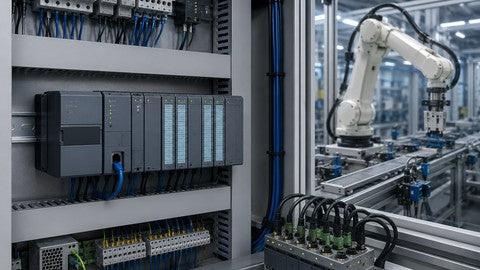
The textile industry stands at a critical technological crossroads. Legacy operations must now embrace digital transformation to remain competitive in a global market. By integrating advanced industrial automation—ranging from PLC-controlled machinery to sophisticated AI-driven analytics—manufacturers can significantly boost productivity, minimize material waste, and elevate overall product quality.
Enhancing Production Precision with Smart Control Systems
Maintaining consistent textile quality has historically been a subjective, manual process. Human operators often struggle with fatigue, which leads to inconsistent inspections in high-volume environments. Today, modern factory automation utilizes high-speed camera systems integrated with AI software to monitor fabric production in real time. These systems provide reliable, objective defect detection that far surpasses human visual acuity. Furthermore, by linking these inspection systems to your existing PLC or DCS architecture, you can create a closed-loop feedback mechanism that immediately adjusts machine parameters when defects are detected. This integration ensures superior output while drastically reducing scrap rates.
Transitioning to Prescriptive Maintenance for Maximum Uptime
Unplanned downtime is the primary enemy of efficient industrial production. In my experience, relying solely on reactive maintenance often leads to catastrophic component failures and increased long-term operational costs. Therefore, implementing a prescriptive maintenance strategy is essential. By deploying industrial-grade sensors to monitor vibration, temperature, and pressure on critical motors and gearboxes, you can stream data directly to your plant’s control systems. AI models then analyze this data to predict mechanical degradation before failure occurs. This proactive approach allows maintenance teams to schedule repairs during planned outages, effectively protecting your capital assets.
Optimizing Workplace Safety through Intelligent Robotics
Workplace safety remains a top priority in complex manufacturing facilities. With a growing labor shortage in specialized trades, protecting your workforce is both an ethical and financial imperative. Modern automation solutions, such as collaborative robots (cobots), handle the ergonomic risks associated with lifting heavy rolls of fabric or loading machinery. Additionally, AI-powered vision systems can monitor safety protocols throughout the plant floor. These systems flag potential hazards, such as personnel entering restricted zones near high-voltage control cabinets, without creating a culture of surveillance. Instead, they provide data-driven insights that help plant managers address safety gaps at the root cause.
Empowering the Next Generation of Industrial Professionals
Automation anxiety is a common challenge during technology upgrades. However, the true goal of digitalization is to empower workers, not replace them. By automating repetitive tasks, you enable your staff to focus on high-value roles that require critical thinking. Furthermore, digitizing decades of operational data allows you to preserve institutional knowledge. Younger technicians can leverage this historical data to troubleshoot complex DCS or PLC issues rapidly. Companies that adopt a "test-and-learn" methodology—validating AI models on a small scale before plant-wide implementation—will lead the industry into this new era of intelligent manufacturing.
Application Scenario: Intelligent Dyeing Process Optimization
In a standard textile dyeing plant, inconsistent color matching often leads to significant re-work. By installing smart sensors that communicate with your master DCS, you can monitor chemical concentration, temperature, and flow rates with high precision. If the system detects a deviation from the established baseline, the control system initiates an automatic adjustment to return the process to the specified setpoint. This level of automation ensures product uniformity while reducing water and chemical consumption, providing both environmental and economic benefits.
About the Author
Marcio Manique is a veteran industrial automation expert with over 15 years of hands-on experience in PLC, DCS, TSI, and power protection systems. A recognized authority in the field, he frequently contributes technical documentation and industry analysis to leading global automation media outlets. Marcio focuses on bridging the gap between legacy manufacturing processes and modern digital technologies, consistently advocating for data-driven, sustainable industrial operations.
- Posted in:
- DCS
- factory automation
- Industrial Automation
- PLC