Tech & Buying Guide
Redefining Control System Design: The Evolution of Flexible Input/Output Modules (FIOM) in Industrial Automation
- 〡 by WUPAMBO
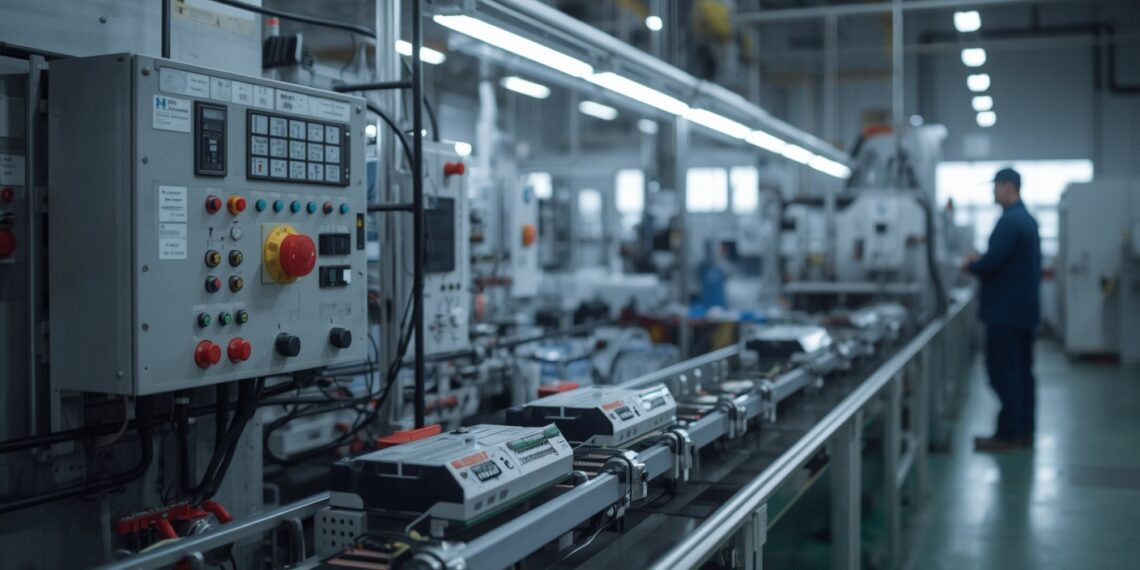
Traditional industrial automation relies heavily on dedicated input-output (IO) modules. In a standard distributed control system (DCS) or programmable logic controller (PLC) setup, design engineers assign specific cards to distinct signal types. For instance, a traditional 16-channel digital input (DI) card exclusively processes digital signals. However, engineering projects frequently encounter last-minute changes in signal counts. Therefore, discovering a missing analog input (AI) channel late in the design phase forces engineers to purchase and install an entirely new, dedicated AI card. Consequently, this rigidity drives up hardware expenses, wastes cabinet space, and delays commissioning schedules.

The Evolution of Flexible I/O Modules in Industrial Automation
- 〡 by WUPAMBO
Traditional industrial automation uses dedicated I/O modules, often requiring new hardware for late-stage sensor additions. However, Flexible I/O Modules (FIOM) allow a single channel to function as any type (AI, AO, DI, DO). This software-defined approach grants engineers unprecedented freedom during design and commissioning.

Flexible I/O Modules in Industrial Automation: Improving PLC and DCS System Design
- 〡 by WUPAMBO
In industrial automation, PLCs and DCS use I/O modules to connect controllers with sensors, actuators, and machines. Signals are classified as Digital Input, Digital Output, Analog Input, and Analog Output. These modules enable precise control and monitoring of processes in modern factory automation systems.