Tech & Buying Guide
Modern Industrial Automation: Transforming Safety and Efficiency in Mining Operations
- 〡 by WUPAMBO
Industrial automation has evolved from a simple manufacturing tool into the operational backbone of high-risk sectors. Modern mining operations increasingly rely on advanced control systems, programmable logic controllers (PLCs), distributed control systems (DCS), and artificial intelligence to address deep-underground hazards. By replacing manual labor in high-risk zones, factory automation technologies protect personnel while significantly boosting operational throughput.
Evolving SCADA System Architectures in Industrial Automation
- 〡 by WUPAMBO
A robust Supervisory Control and Data Acquisition (SCADA) system serves as the heartbeat of modern industrial operations. Understanding SCADA system architecture is vital for engineers designing efficient control systems. These architectures have evolved from isolated, monolithic structures to highly interconnected, networked ecosystems. Choosing the right design requires balancing data visibility, processing power, and long-term scalability requirements.
Annunciator Panels in Industrial Automation: Enhancing Process Safety and Control
- 〡 by WUPAMBO
An annunciator panel is a key industrial automation device that visually and audibly indicates alarms. Each circuit is labeled to identify monitored equipment or process conditions, alerting operators to abnormal events. Modern panels integrate with PLC and DCS systems for improved reliability.

Industrial Automation and Control Systems (IACS): Ensuring Safe and Efficient Operations
- 〡 by WUPAMBO
Industrial Automation and Control Systems (IACS) integrate personnel, hardware, and software to manage industrial processes safely and reliably. According to IEC 62443, these systems influence operational continuity, safety, and security.

Automatic Bottle Filling System Using PLC for Industrial Automation
- 〡 by WUPAMBO
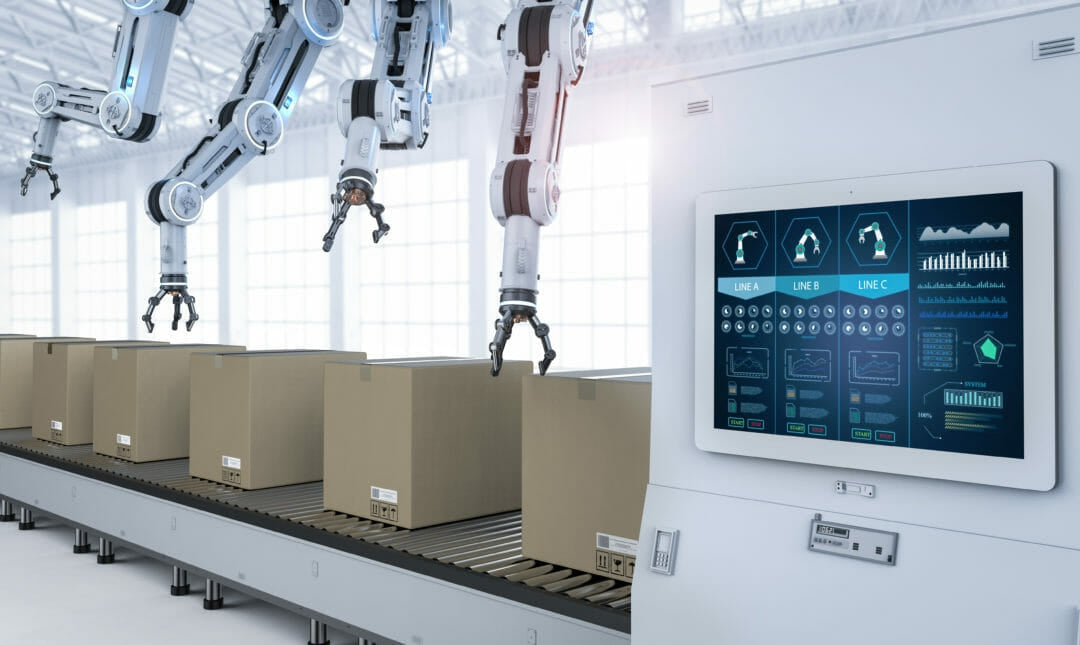
Understanding the Main Types of Industrial Control Systems in Modern Automation
- 〡 by WUPAMBO
Industrial control systems (ICS) form the foundation of modern automation, ensuring safe and efficient operations. The main types—DCS, RTU, and PLC—manage processes, equipment, and communication across industries, each optimized for specific scales, response times, and operational environments.