










Tech & Buying Guide
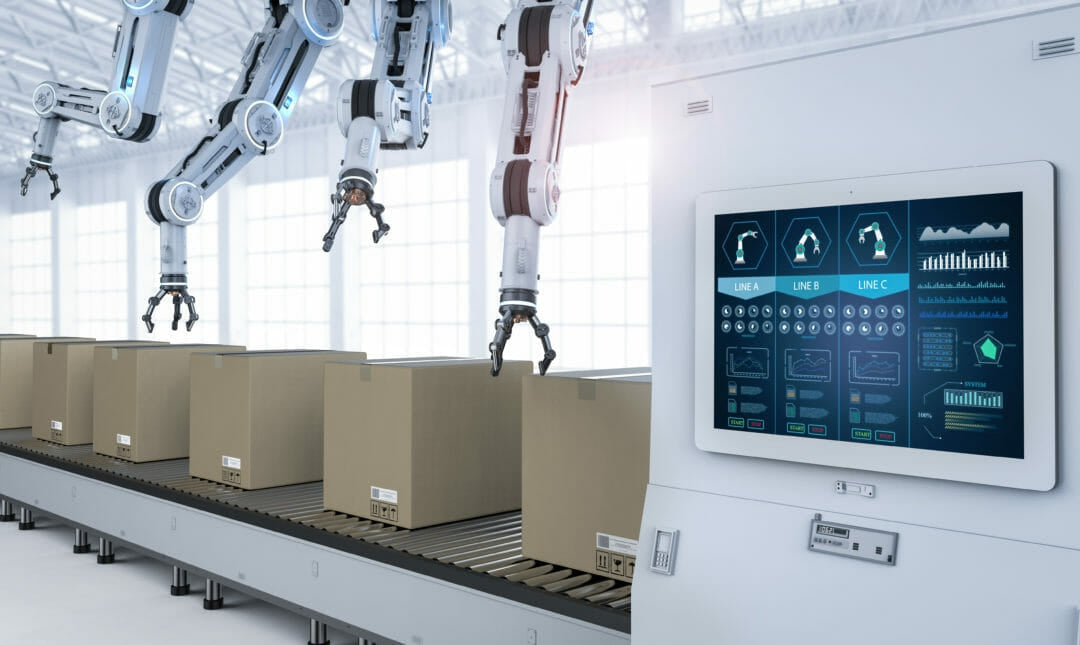
Understanding the Main Types of Industrial Control Systems in Modern Automation
- 〡 by WUPAMBO
Industrial control systems (ICS) form the foundation of modern automation, ensuring safe and efficient operations. The main types—DCS, RTU, and PLC—manage processes, equipment, and communication across industries, each optimized for specific scales, response times, and operational environments.
Understanding PLC Redundancy in Industrial Automation: Ensuring Reliability and Continuous Operation
- 〡 by WUPAMBO
In industrial automation, PLC redundancy ensures uninterrupted control and system reliability. By using backup processors and communication paths, these systems instantly take over during failures, minimizing downtime and protecting critical operations, safety, and productivity in modern industrial environments.

Allen-Bradley AADvance Controllers: Scalable Safety and Performance for Modern Industrial Automation
- 〡 by WUPAMBO
Allen-Bradley AADvance Controllers provide advanced, modular control for complex industrial automation systems. Designed for both standard and safety-critical operations, they deliver powerful processing, flexible I/O, and scalable performance for next-generation process and factory automation.
Applications of SCADA in Industrial Automation
- 〡 by WUPAMBO
Discover how SCADA systems revolutionize industrial automation by enabling remote control, data analysis, and real-time process optimization across industries such as power, water, transportation, and manufacturing.

Key Functions of a SCADA System in Industrial Automation
- 〡 by WUPAMBO
Explore the four core functions of SCADA—data acquisition, communication, visualization, and control—and understand how this system powers industrial automation, process optimization, and remote supervision.
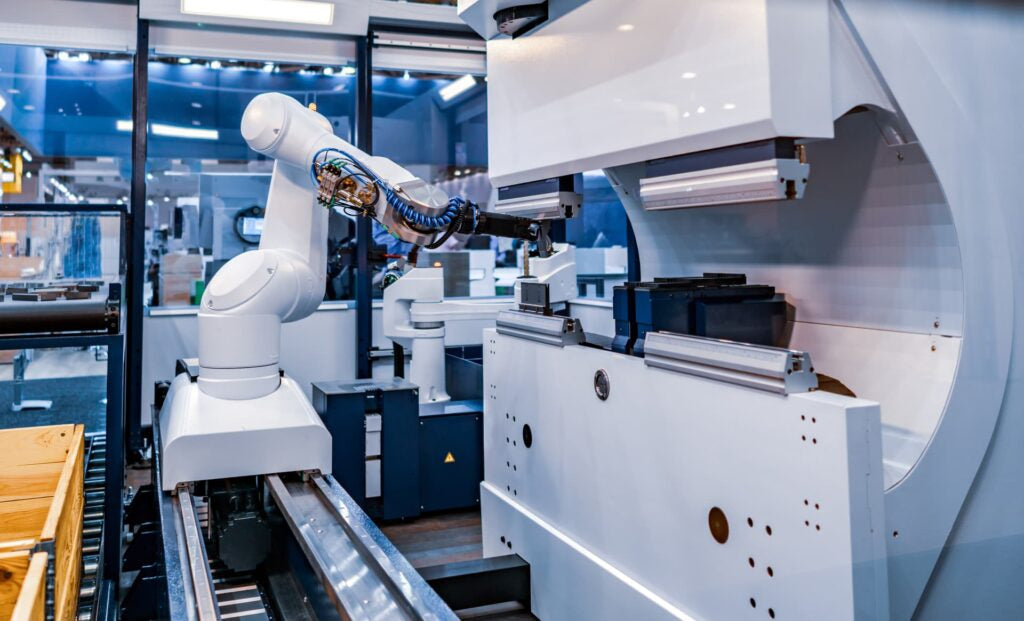
Difference Between DCS, PLC, and RTU in Industrial Automation
- 〡 by WUPAMBO
In modern industrial automation, three control systems dominate: Distributed Control Systems (DCS), Programmable Logic Controllers (PLC), and Remote Terminal Units (RTU). Each serves the same goal—monitoring and controlling processes—but is optimized for different applications and environments.


