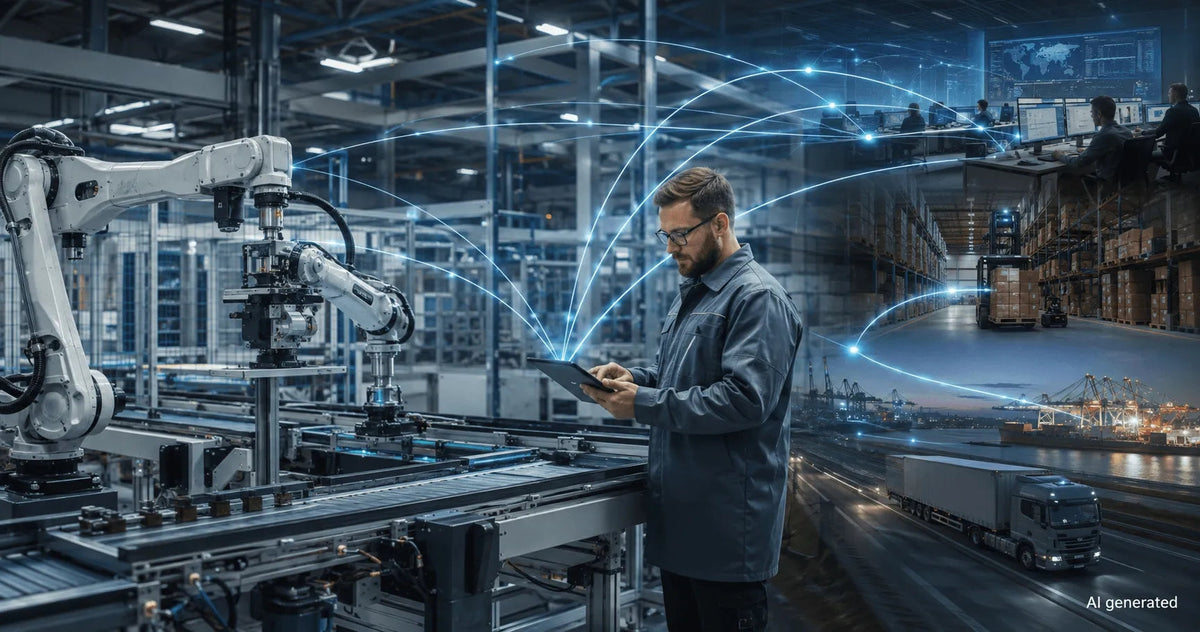
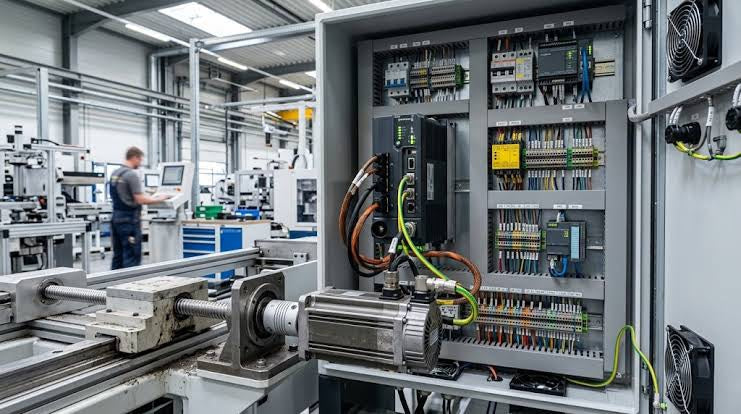
In industrial automation and control systems, operator interfaces have evolved to improve human-machine interaction. Multi-touch technology, once limited to consumer devices, now enhances HMI design in factory automation, allowing multiple simultaneous inputs for faster, more intuitive and efficient control.
Tech & Buying Guide
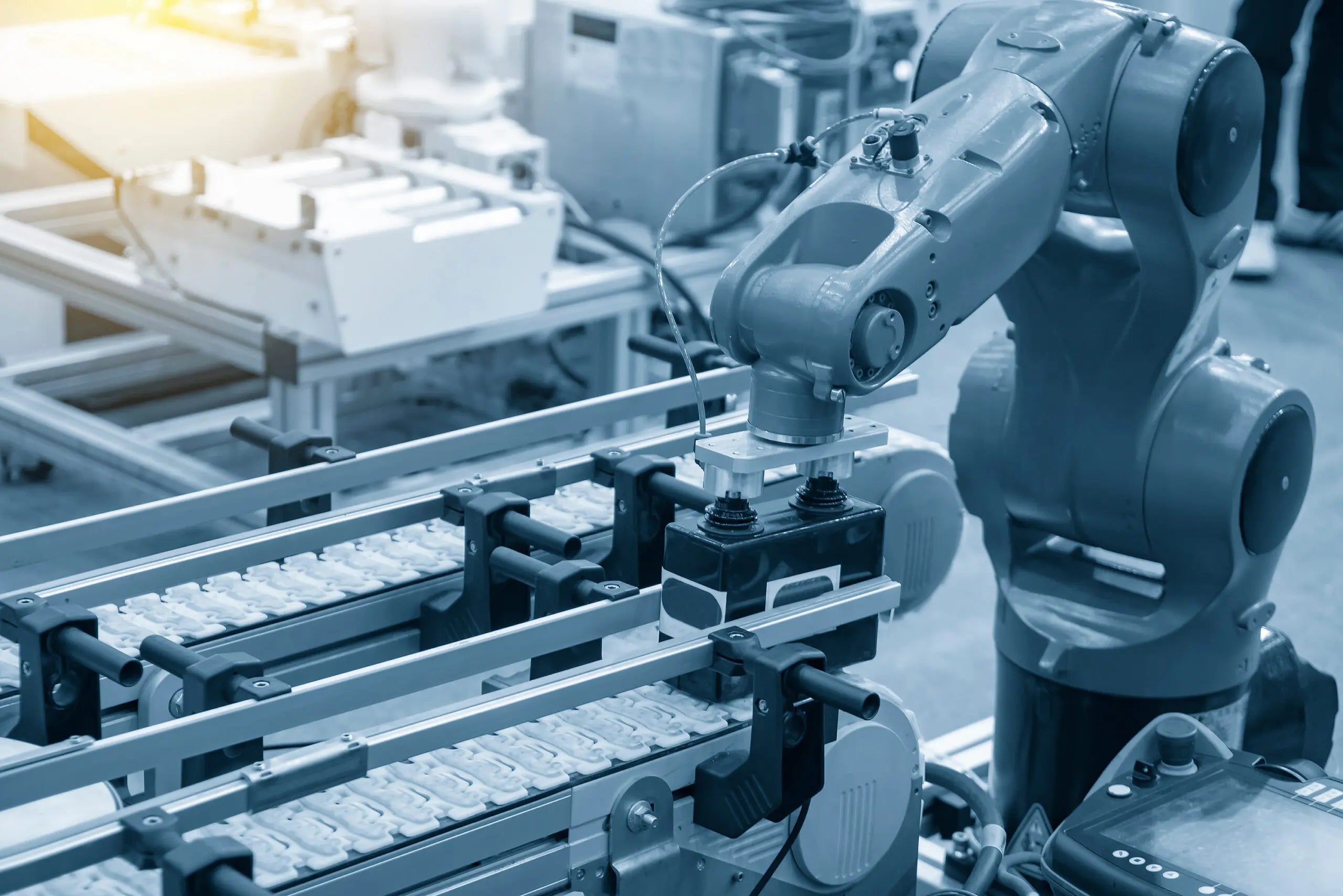
Process Interlocks and Trips in Industrial Automation: Ensuring Safe and Reliable Operations
- 〡 by WUPAMBO
In industrial automation, Process Interlocks and Trips are essential safeguards designed to prevent unsafe control actions and protect critical assets. They form the backbone of process safety systems, ensuring that both operators and automated control systems maintain operations within safe limits.
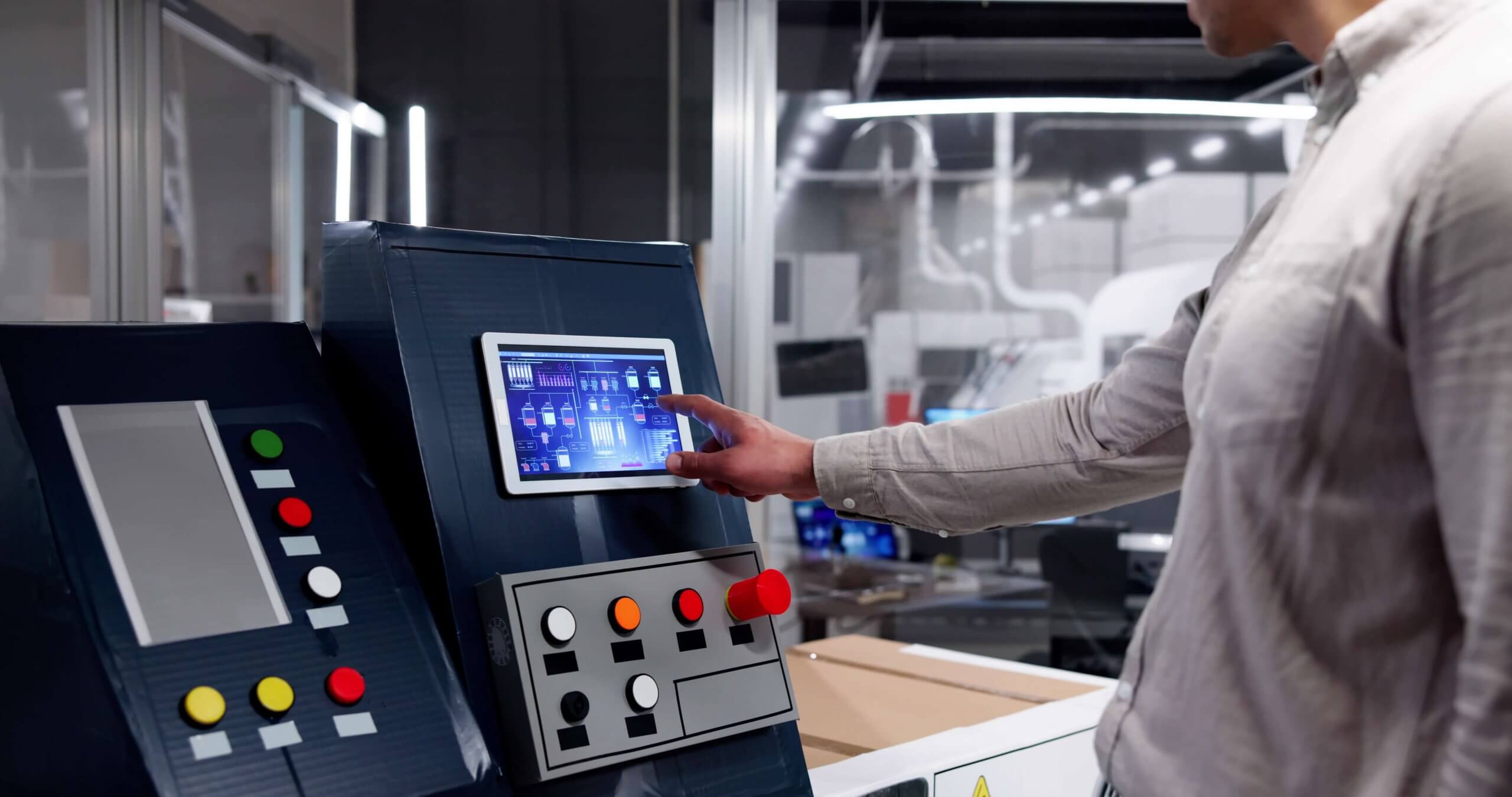
What Is a Human Machine Interface (HMI) in Industrial Automation?
- 〡 by WUPAMBO
In modern automation, operators must interact seamlessly with PLCs, DCS, and SCADA systems. The Human Machine Interface (HMI) acts as the bridge between people and processes, converting raw control data into clear visual information. HMIs enable monitoring, supervision, and efficient decision-making in complex industrial environments.
Setpoints and Alarms in Control Systems: Principles, Accuracy, and Best Practices
- 〡 by WUPAMBO
In industrial automation and process control, setpoints and alarms ensure safety and efficiency by triggering corrective actions or warnings. Proper configuration with accurate margins prevents process deviations and supports reliable control system performance.

Understanding the AENT Module in Rockwell PLC Systems: A Comprehensive Guide to Remote I/O Communication
- 〡 by WUPAMBO
In industrial automation, reliable communication between controllers and distributed I/O modules is essential. Rockwell’s AENT module, part of the Allen-Bradley POINT I/O series, acts as an EtherNet/IP adapter linking field I/O with PLCs. This article explains its functions, setup, diagnostics, and applications.

control systemsDCSdecentralized peripheralsDistributed IOEtherNet/IPfactory automationPLCPROFINETremote IO
What Is Distributed I/O in PLC Systems: The Role of Decentralized Peripherals in Industrial Automation
- 〡 by WUPAMBO
In modern factory automation and process control, flexibility and scalability are vital. Distributed I/O systems, also called decentralized peripherals, enable efficient PLC-based control by simplifying wiring, improving maintainability, and reducing costs while enhancing overall system performance.
Recent Posts