What Is Distributed I/O in PLC Systems: The Role of Decentralized Peripherals in Industrial Automation
- 〡
- 〡 by WUPAMBO

In modern factory automation and process control, flexible and scalable system design is essential. One of the most effective ways to achieve this is through Distributed I/O (Input/Output) systems, also known as decentralized peripherals. This article explains how Distributed I/O works, why it is used, and how it improves efficiency, maintainability, and cost performance in PLC-based control systems.
Understanding Distributed I/O in Automation
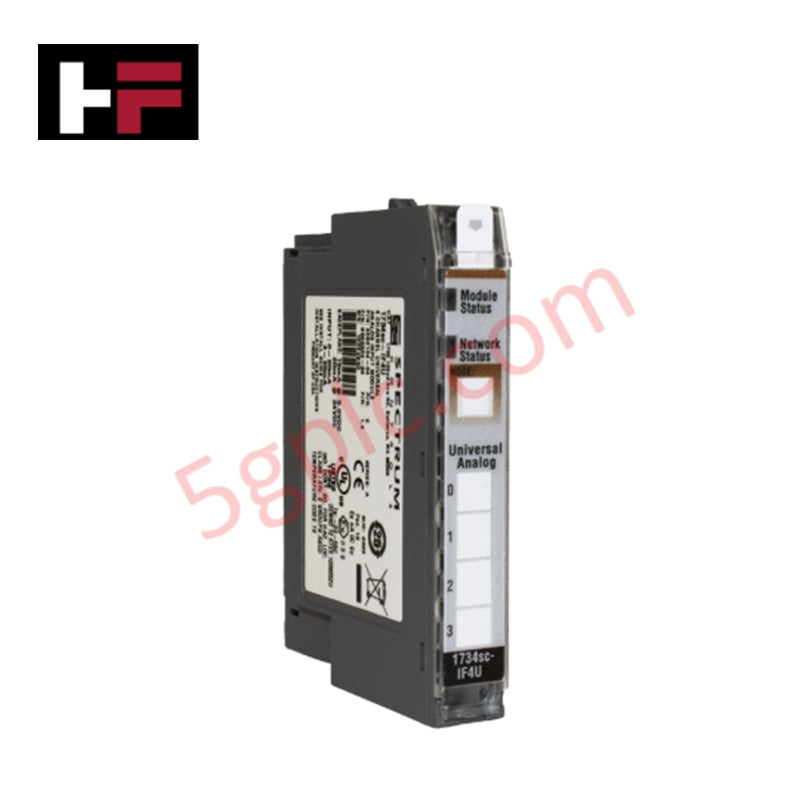
In a PLC control system, Distributed I/O modules serve as intermediary devices between the central controller and field equipment such as sensors, actuators, and transmitters.
Instead of connecting every signal cable directly to the PLC, these I/O modules are installed close to the machine or process area. They collect input signals, transmit them to the PLC through an industrial communication network (such as PROFINET, EtherNet/IP, or Modbus TCP), and deliver the PLC’s output commands to actuators.
This distributed architecture reduces wiring complexity and enables modular expansion without major control cabinet modifications.
Why Centralized I/O Becomes a Limitation
In small automation systems, placing the PLC near the machine is practical. However, as systems grow larger and the number of I/O points increases, centralized wiring becomes inefficient.
When the PLC is located in a control room or MCC (Motor Control Center), every signal wire must run from the machine to the cabinet. This not only increases wiring cost and installation time but also introduces issues related to EMC (Electromagnetic Compatibility), signal loss, and cable management.
Moreover, when new sensors or actuators are added, additional wiring is required. Over time, this approach limits system scalability and flexibility.
The Concept of Distributed I/O Architecture
Distributed I/O solves these challenges by decentralizing I/O handling. Engineers can install remote I/O modules directly near field devices, significantly reducing cabling.
Each Distributed I/O unit communicates with the main PLC through a single network cable, transmitting both input and output data digitally. This allows for modular installation of subsystems that share the same control logic without redesigning the entire architecture.
In large manufacturing plants or process automation environments, this approach provides better maintainability, faster troubleshooting, and more flexible equipment layout.
Expansion Made Simple with Distributed I/O
One of the key advantages of Distributed I/O is scalability. When an automation process expands, new I/O modules can be added locally at the machine side.
Instead of upgrading to a larger PLC, engineers simply connect the new Distributed I/O to the existing network. This method reduces downtime and minimizes software modification.
For example, in a packaging line controlled by a Siemens S7-1500 PLC, new I/O racks can be connected over PROFINET using modules like ET 200SP, extending functionality without changing the main controller.
Multi-Machine Control with a Single PLC
Distributed I/O systems also enable a single PLC to control multiple machines across different locations.
By linking each machine’s local I/O station through Ethernet-based communication, engineers can centralize control while maintaining modular independence. This structure is commonly seen in production lines, conveyor systems, and automated assembly operations where machines are physically separated.
However, it is essential to verify that the PLC’s processing capacity and network bandwidth can handle the total number of I/O modules and communication cycles.
Interoperability Between Brands
Modern Distributed I/O platforms follow open communication standards, allowing interoperability between different manufacturers.
For instance, a Siemens PLC can communicate with Schneider Electric or WAGO remote I/O modules through PROFINET or Modbus TCP, provided the devices support compatible protocols and GSDML files.
This openness enhances engineering flexibility, enabling system designers to select hardware based on performance, cost, and availability rather than being locked into a single vendor ecosystem.
Advantages of Distributed I/O Systems
-
Reduced Wiring Effort: Only one communication cable connects the field I/O station to the PLC.
-
Lower Installation Costs: Less wiring and fewer terminal blocks reduce panel complexity.
-
High Scalability: Easy to add or remove modules during system expansion.
-
Improved Diagnostics: Many Distributed I/O devices provide built-in status LEDs and fault reporting.
-
Increased Reliability: Shorter field wiring minimizes signal interference and improves system uptime.
Author Commentary: The Future of Decentralized Automation
The trend toward modular and distributed control systems reflects the growing need for flexibility in industrial automation.
With the rise of Industry 4.0, Distributed I/O is evolving beyond simple signal transmission to include intelligent edge devices that can preprocess data before sending it to the PLC. This shift enables predictive maintenance, real-time monitoring, and energy optimization at the field level.
Engineers adopting Distributed I/O architectures gain long-term benefits in maintainability, scalability, and integration with digital manufacturing systems.
Practical Applications and Scenarios
-
Process Industries: Remote I/O modules installed near tanks or pumps to reduce long cable runs.
-
Material Handling: Distributed I/O used in conveyors, sorting systems, and packaging lines.
-
Power and Utilities: Remote field stations in substations connected through fiber-optic PROFINET.
-
OEM Machinery: Modular control sections for easier machine customization and commissioning.
Conclusion
Distributed I/O is an essential component of modern PLC-based automation. By decentralizing control connections, it simplifies wiring, enhances flexibility, and allows large systems to grow without costly hardware changes.
Adopting Distributed I/O systems supports the broader goals of smart manufacturing—creating modular, reliable, and efficient automation networks ready for future digital transformation.
- Posted in:
- control systems
- DCS
- decentralized peripherals
- Distributed IO
- EtherNet/IP
- factory automation
- PLC
- PROFINET
- remote IO