Sizing Power Supplies for Industrial Automation: A Technical Guide to PLC and DCS Stability
- 〡
- 〡 by WUPAMBO

In the demanding world of industrial automation, the power supply unit (PSU) acts as the heart of the control cabinet. A stable power source ensures that Programmable Logic Controllers (PLCs) and Distributed Control Systems (DCS) function without interruption. However, engineers often overlook the critical nature of PSU sizing until a system failure occurs. This guide explores the technical requirements, selection criteria, and professional strategies for integrating power supplies into modern factory automation.
Defining the Role of the PSU in Control Circuits
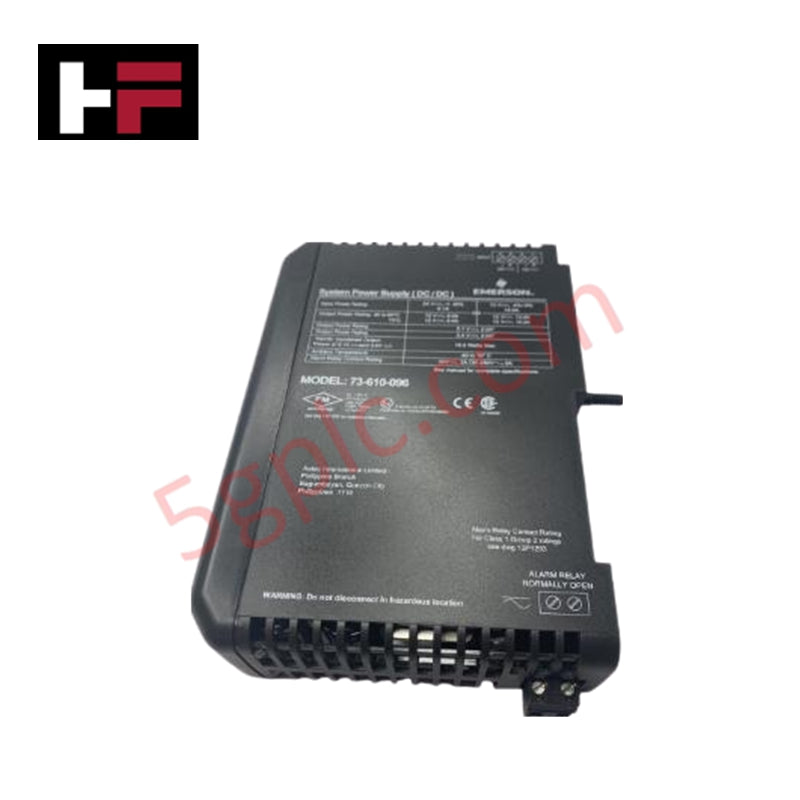
A power supply unit converts incoming utility power—typically high-voltage AC—into regulated DC voltage. Most industrial control components, including sensors, controllers, and actuators, require a steady 24V DC signal to operate electronic microprocessors. Beyond simple conversion, a high-quality PSU filters electrical noise and suppresses voltage spikes. Consequently, it protects sensitive logic circuits from the harsh electrical environment found on the factory floor.
Understanding the Risks of Improper Power Sizing
Inadequate power sizing leads to immediate and long-term operational risks. If a PSU cannot handle the peak current demand, the voltage may sag, causing the PLC to reboot or enter an error state. This instability results in significant production downtime and potential data corruption. Moreover, frequent voltage fluctuations stress internal components like capacitors and memory chips. Therefore, investing in a robust PSU is a proactive measure against expensive hardware repairs and safety hazards.
Key Factors for Selecting Industrial Power Supplies
Selecting the correct PSU requires a comprehensive evaluation of the electrical load and environmental conditions. Engineers must first calculate the total current draw by summing the requirements of all connected I/O modules and field devices.
-
Input and Output Ratings: Verify that the PSU handles local utility ranges (e.g., 110V or 230V AC) and provides the precise DC output needed.
-
Efficiency and Heat: High-efficiency models minimize energy waste. Moreover, they reduce heat generation inside the enclosure, which extends the life of adjacent controllers.
-
Certifications: Ensure the unit carries UL, CE, or SIL ratings. These certifications prove compliance with international safety and performance standards.
-
Environmental Protection: Harsh environments require PSUs with conformal coating or high IP ratings to resist dust and moisture.
Implementing Redundancy for Critical Applications
For mission-critical DCS or safety systems, a single power supply represents a "single point of failure." Therefore, experienced engineers implement redundant power architectures. This setup involves wiring two identical power supplies in parallel through a redundancy module. If one unit fails, the second unit assumes the full load instantly. This approach eliminates downtime in continuous processes, such as chemical refining or power generation.
Leveraging Software for Precise Calculations
Manual calculations often lead to errors or oversized, expensive solutions. Major automation vendors, such as Siemens, provide sophisticated digital tools like the TIA Selection Tool. These platforms allow users to drag and drop PLC racks, HMIs, and drives into a virtual environment. The software then automatically calculates the total 24V DC consumption. Furthermore, these tools suggest specific PSU models that provide sufficient "headroom" for future expansions.
Expert Insight: The Importance of Headroom and Peak Current
From a field engineering perspective, never size a power supply to run at 100% capacity. Most actuators and motors exhibit high inrush currents during startup. As a result, I recommend selecting a PSU with at least 20% to 30% extra capacity (headroom). Modern PSUs also offer "Power Boost" features, allowing them to deliver 150% of their rated current for several seconds. Utilizing these features ensures the system remains stable during heavy mechanical transitions.
Application Scenario: Automotive Assembly Line
Consider a robotic assembly cell utilizing a Siemens S7-1500 PLC and multiple sensors. During the design phase, the engineering team uses a selection tool to identify that the peak load reaches 18A. By choosing a 40A redundant power system (two 20A units), the team ensures that a single PSU failure will not stop the entire line. Additionally, the extra capacity allows for the future addition of smart sensors without replacing the power infrastructure.
- Posted in:
- 24V DC power
- control cabinet design
- DCS control systems
- factory automation
- industrial electronics
- PLC power supply
- power supply sizing
- redundant power supply
- Siemens TIA tool