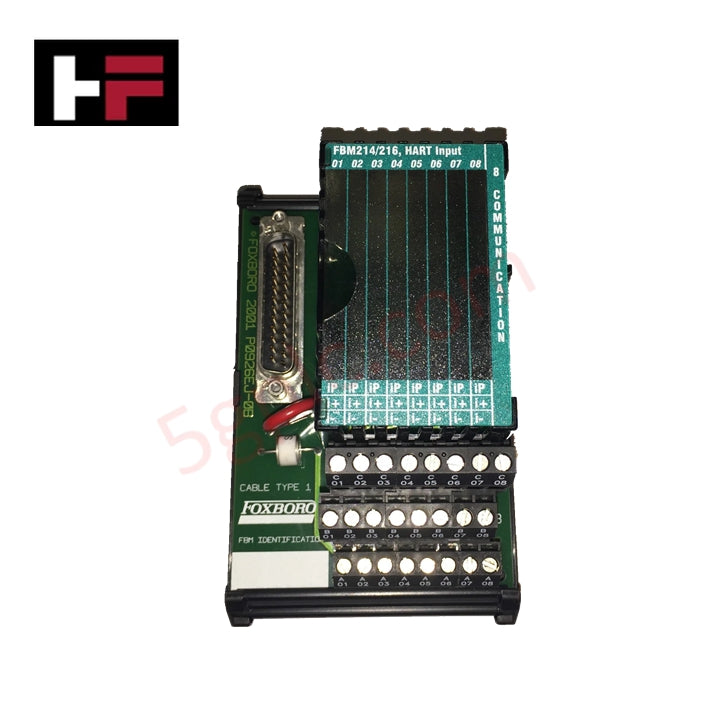
The Evolution of Flexible I/O Modules in Industrial Automation
- 〡
- 〡 by WUPAMBO

Redefining Control Systems with Universal Connectivity
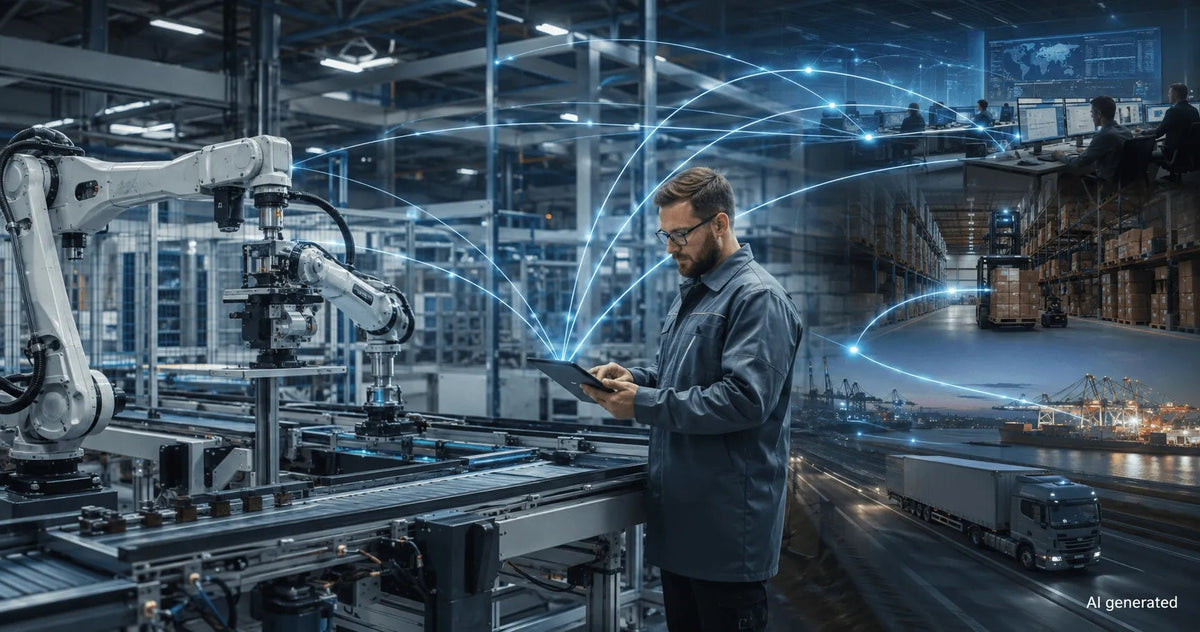
Traditional industrial automation relies on dedicated input/output (I/O) modules. In a conventional setup, a module only handles one signal type, such as Digital Input (DI) or Analog Output (AO). If a project requires an extra sensor late in the engineering phase, you must add an entire new card. However, Flexible I/O Modules (FIOM) break these rigid boundaries. These universal modules allow a single channel to function as any I/O type. Consequently, engineers gain unprecedented freedom during the design and commissioning phases.
Overcoming Challenges in Traditional Factory Automation
Conventional I/O management often leads to "hardware bloat" and complex inventory issues. When I/O counts change during a project, re-engineering becomes a cumbersome and expensive task. In addition, maintaining a diverse stock of spare parts increases overhead costs. Flexible modules solve these problems by providing a "one module for all" approach. Therefore, designers focus on the total number of signals rather than specific hardware types. This shift significantly reduces the risk of project delays caused by late-stage sensor additions.
Leading Vendors in the FIOM Market
Several major DCS and PLC manufacturers offer high-performance flexible solutions. Each vendor provides a unique take on universal I/O technology:
-
Honeywell: Offers "Universal I/O" (UIO) which requires only software configuration.
-
Yokogawa: Utilizes "Network I/O" (N-IO) for distributed control environments.
-
Emerson: Features "CHARMs," allowing individual channel characterization.
-
Rockwell Automation: Provides "FLEX 5000" I/O for integrated architecture.
-
ABB: Delivers "Select I/O" to streamline complex marshalling requirements.
Technical Advantages for Modern Industrial Plants
Adopting flexible I/O technology offers a strategic advantage for both greenfield and brownfield projects. For modernization tasks, space in existing control rooms is often limited. FIOM technology saves significant cabinet space by reducing the total module footprint. Moreover, it slashes pre-commissioning time at the site since wiring remains consistent regardless of the software logic. As a result, plants experience faster startups and much lower backend loading requirements.
Author Commentary: The Software-Defined Future of I/O
In my experience with Honeywell UIO and Emerson CHARMs, the real value is the decoupling of hardware and software. We no longer wait for the final instrument list to build the control cabinets. This "late binding" capability is a game-changer for fast-track projects. While some systems still require a "child module" swap, the industry is moving toward 100% software-defined channels. I recommend these modules for any facility prone to frequent process updates or expansions.
Application Scenario: Rapid Refinery Expansion
A refinery expansion project often involves hundreds of last-minute signal changes. By using Flexible I/O, the team installs the cabinets and field wiring before the final logic is even finished. If a pressure transmitter (AI) needs to be changed to a switch (DI), the technician simply reconfigures the channel in the DCS software. There is no need to pull new cables or buy different hardware. This flexibility saved one recent project over three weeks of potential downtime.
- Posted in:
- control systems
- DCS
- Emerson CHARMs
- factory automation
- flexible IO modules
- Honeywell UIO
- PLC
- universal IO