Microcontroller vs. PLC: Choosing the Right Controller for Industrial Automation
- 〡
- 〡 by WUPAMBO
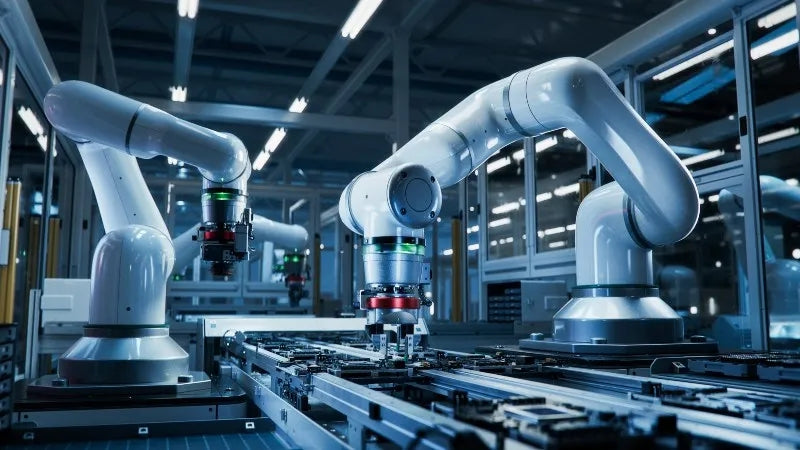
In the realm of modern engineering, selecting the appropriate control architecture is a fundamental decision. Both microcontrollers and Programmable Logic Controllers (PLCs) offer powerful logic processing and data handling capabilities. However, their physical design, environmental resilience, and intended applications differ significantly. This guide explores the technical nuances between these two dominant control systems.
Defining the Microcontroller: The All-in-One Chip Solution
A microcontroller is essentially a compact computer on a single integrated circuit. It embeds a processor core, memory, and programmable input/output (I/O) peripherals into a small package. These chips excel in low-power, handheld devices such as digital displays or consumer electronics. For instance, a microcontroller manages the simple logic required to turn a lamp on after a specific delay. However, they typically handle a limited number of pins and require precision soldering for circuit integration.
The PLC: An Industrial Powerhouse for Complex Systems
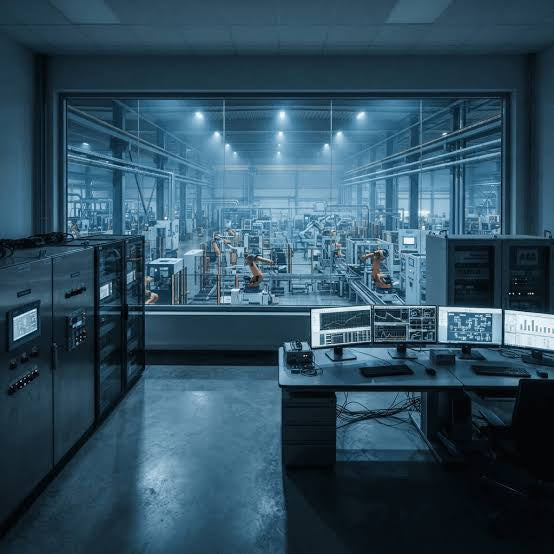
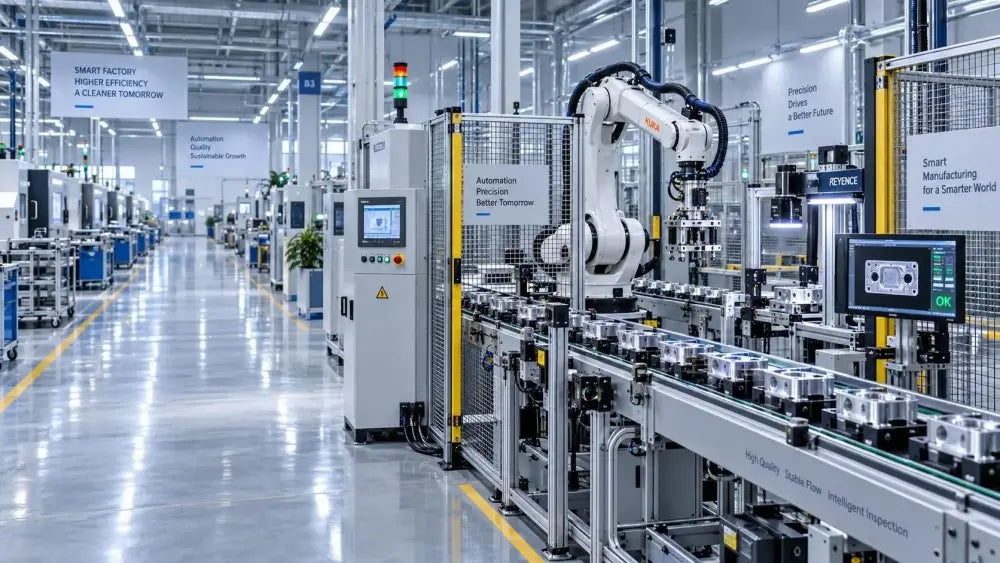
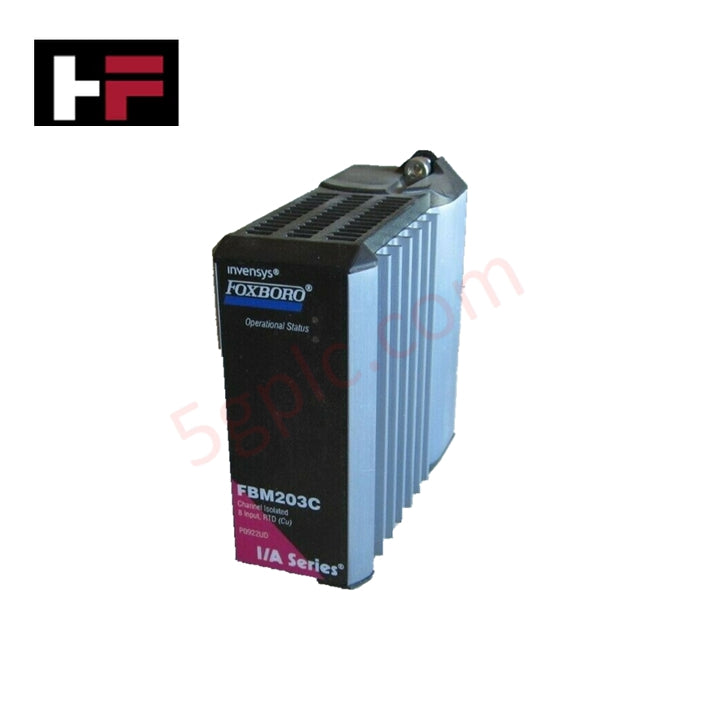
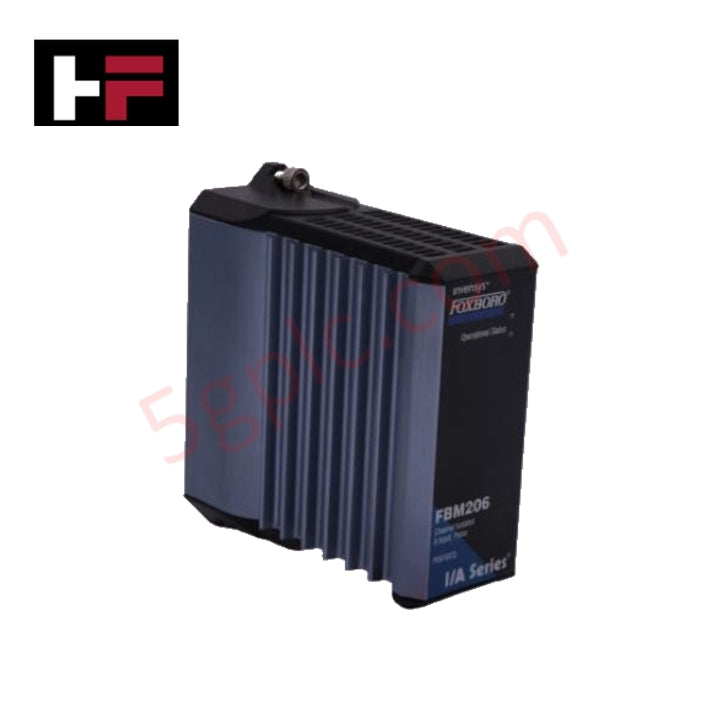
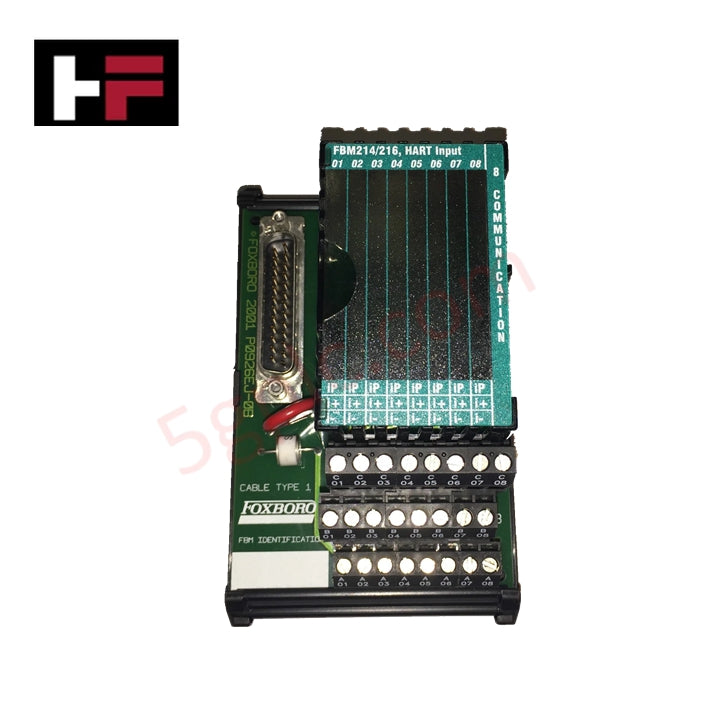
The PLC represents a modular extension of control technology designed specifically for factory automation. Unlike a single chip, a PLC resides in a rugged cabinet-style chassis with separate, hot-swappable I/O boards. It manages hundreds of sensors, including 4-20 mA analog loops and thermocouples, simultaneously. Furthermore, PLCs feature native support for industrial communication protocols like PROFINET, EtherNet/IP, and Modbus. This modularity allows engineers to expand system capacity easily as process requirements grow.
Environmental Ruggedness and Signal Processing Flexibility
One of the most critical differences lies in the physical durability of the hardware. PLCs are built to survive harsh industrial environments characterized by extreme temperatures and high electromagnetic interference (EMI). In contrast, standard microcontrollers are sensitive to noise and environmental fluctuations without extensive external shielding. Moreover, PLCs offer superior flexibility in signal processing. Configuring high-speed counters and analog-to-digital conversions is far more intuitive in a PLC environment than in embedded C coding.
Programming Accessibility and Engineering Requirements
The software barrier to entry varies greatly between these two platforms. Microcontrollers generally require deep knowledge of embedded systems and languages like C or C++. Alternatively, PLCs utilize graphical languages like Ladder Logic, which mirrors traditional electrical schematics. This accessibility allows maintenance electricians and automation engineers to troubleshoot logic without being professional software developers. Consequently, PLCs are preferred for mission-critical industrial applications where rapid downtime recovery is essential.
Expert Insight: When to Move Beyond the Chip
From my 15 years in the field, I often see startups try to use microcontrollers for factory-floor tasks to save costs. However, the hidden expenses of custom PCB design and noise isolation usually exceed the initial price of a PLC. If your application involves high-voltage actuators or critical safety loops, the "rugged-by-design" nature of a PLC is non-negotiable. Save microcontrollers for localized, high-volume consumer products where unit cost is the primary driver.
Industrial Comparison Table
| Feature | Microcontroller | PLC (Programmable Logic Controller) |
| Primary Environment | Consumer Electronics / Embedded | Harsh Industrial / Factory Floor |
| I/O Capacity | Very Low (Fixed Pins) | Very High (Expandable Modules) |
| Programming | C, C++, Assembly | Ladder Logic, Structured Text, FBD |
| Resilience | Sensitive to EMI/Heat | High EMI/Vibration Tolerance |
| Maintenance | Component-level Repair | Modular/Hot-swappable Replacement |
About the Author: Ding Jiacheng (丁嘉诚)
Ding Jiacheng is a senior industrial automation expert with over 15 years of experience in PLC programming and DCS architectural design. He has successfully commissioned complex control systems for global automotive and chemical manufacturing plants. His expertise spans across power protection, turbine supervisory instrumentation (TSI), and the integration of edge computing into traditional factory environments.
- Posted in:
- automation engineering
- control systems
- DCS
- factory automation
- industrial control
- PLC vs Microcontroller
- PROFINET