Industrial PC vs. Commercial PC: Selecting the Right Hardware for Automation
- 〡
- 〡 by WUPAMBO
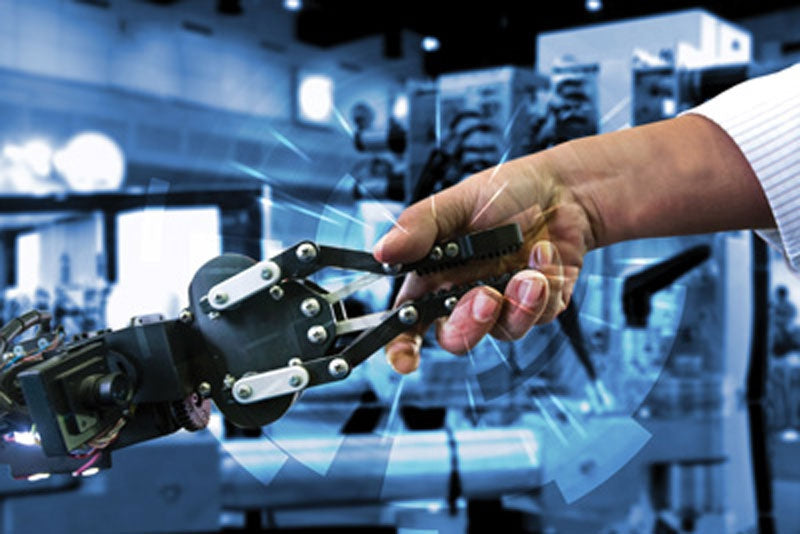
In the demanding world of factory automation, selecting the correct computing platform is critical for system reliability. While commercial PCs power our daily lives, they often fail when subjected to the harsh realities of the production floor. Understanding the fundamental differences between an Industrial PC (IPC) and a standard office PC helps engineers optimize control systems for longevity and performance.
Commercial PCs: Limitations in the Industrial Environment
Commercial PCs are designed for controlled, climate-adjusted office environments. They function efficiently in tasks like SCADA monitoring, reporting, and data logging when housed in a secure control room. However, they lack the physical robustness required for the factory floor. Their standard enclosures provide no protection against dust, vibration, or extreme humidity. Furthermore, deploying a desktop tower requires substantial space, external cabling, and additional cooling, which often proves impractical for space-constrained industrial panels.
The Ruggedized Advantage of Industrial PCs
An IPC serves as a purpose-built computing solution for demanding industrial automation tasks. Unlike commercial units, IPCs feature fanless designs, solid-state storage, and industrial-grade components that resist shock and mechanical vibration. These systems are rated for high electromagnetic interference (EMI) resilience, ensuring data integrity remains intact even near heavy motors or high-frequency equipment. As a result, they deliver the high uptime that mission-critical control systems demand.
Design Efficiency and IP Protection
The IPC design philosophy focuses on space efficiency and environmental sealing. Most IPCs utilize a panel-mount design, effectively acting as an all-in-one HMI workstation with an embedded CPU. These units typically feature IP65-rated front bezels, shielding internal electronics from water ingress, dust, and corrosive debris. This integrated approach eliminates the need for bulky external enclosures, saving valuable cabinet space while maintaining strict safety standards.
Scalability and Long-Term Reliability
Engineers often overlook the total cost of ownership when choosing hardware. While commercial PCs may have a lower initial purchase price, they suffer from high failure rates in industrial settings, leading to costly unplanned downtime. In contrast, IPCs are built for multi-year lifecycles, ensuring hardware consistency and easier component expansion. This longevity makes IPCs a superior investment for complex automation infrastructures, including DCS and PLC-integrated environments.
Expert Insight: When to Choose Which Platform
In my fifteen years of commissioning systems, I have seen too many "office-grade" computers succumb to dust or thermal overload within months. My rule is simple: if the computer resides outside a climate-controlled server room, choose an IPC. While software compatibility between the two is identical, the hardware reliability gap is massive. Invest in ruggedized hardware at the design stage to avoid the significant costs of emergency retrofitting later.
Solution Scenario: HMI/SCADA Integration
Imagine a high-speed metal processing plant. The environment is filled with metal dust and intense vibration. A standard PC would fail here almost immediately. By installing an IP65-rated IPC directly into the operator console, the team gains a robust HMI interface that withstands the grit. This setup allows the operator to control the PLC logic while simultaneously running local SCADA analytics, creating a streamlined, space-saving, and highly reliable control station.
About the Author
Chen Xiaoming is a seasoned Industrial Automation Engineer with over 15 years of experience in PLC, DCS, and electrical control system integration. He has successfully delivered numerous automation projects across the manufacturing, energy, and logistics sectors. Chen is passionate about bridging the gap between hardware durability and software-defined automation, frequently providing expert commentary on system architecture for industry-leading publications.
- Posted in:
- Commercial PC
- Hardware Reliability
- HMI
- Industrial Automation
- Industrial PC
- IPC
- Ruggedized Computing
- SCADA