










Core Components of Programmable Logic Controllers (PLC) in Industrial Automation
- 〡
- 〡 by WUPAMBO

A Programmable Logic Controller (PLC) serves as the digital backbone of modern factory automation. Whether you are managing complex assembly lines or simple process loops, understanding the hardware and software architecture of a PLC is essential for any control systems engineer.
The Anatomy of PLC Hardware
The hardware of a PLC functions as a cohesive system comprised of five primary building blocks: the Central Processing Unit (CPU), power supply modules, I/O modules, communication ports, and a programming interface. Most modern PLCs utilize proprietary architectures, meaning hardware components typically require vendor-specific compatibility. For instance, Siemens CPU modules are designed to interface specifically with their own I/O ecosystem. However, open-architecture systems do exist, offering greater flexibility for mixed-vendor integrations.
The CPU: The Intelligence of the Control System
The CPU acts as the brain of the PLC. It continuously executes the user-defined logic stored in its memory. During operation, the controller performs a high-speed "scan cycle," which involves reading input states, updating the internal program, and refreshing output commands. Moreover, the CPU performs self-diagnostics to monitor the health of hardware modules and communication links. This diagnostic capability provides invaluable feedback, allowing engineers to identify system faults before they escalate into production downtime.
Mastering Input and Output (I/O) Integration
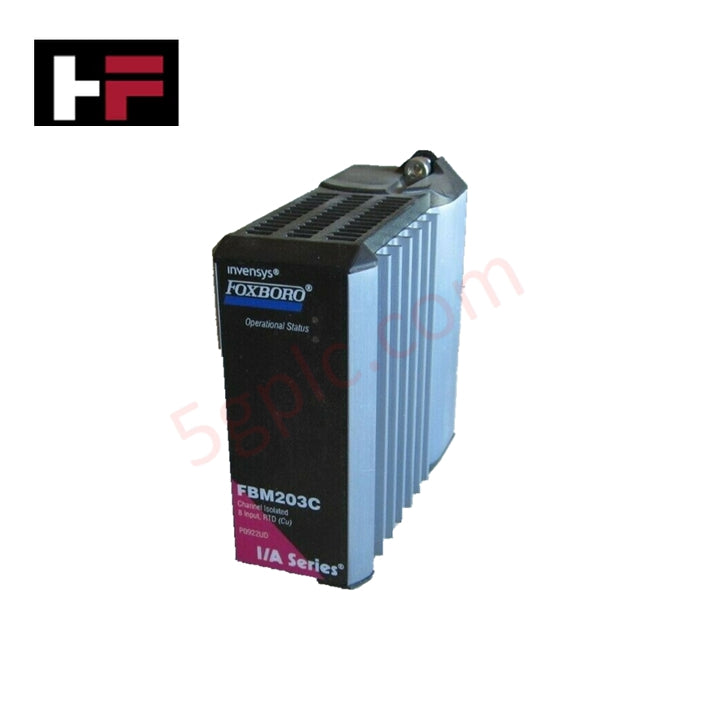
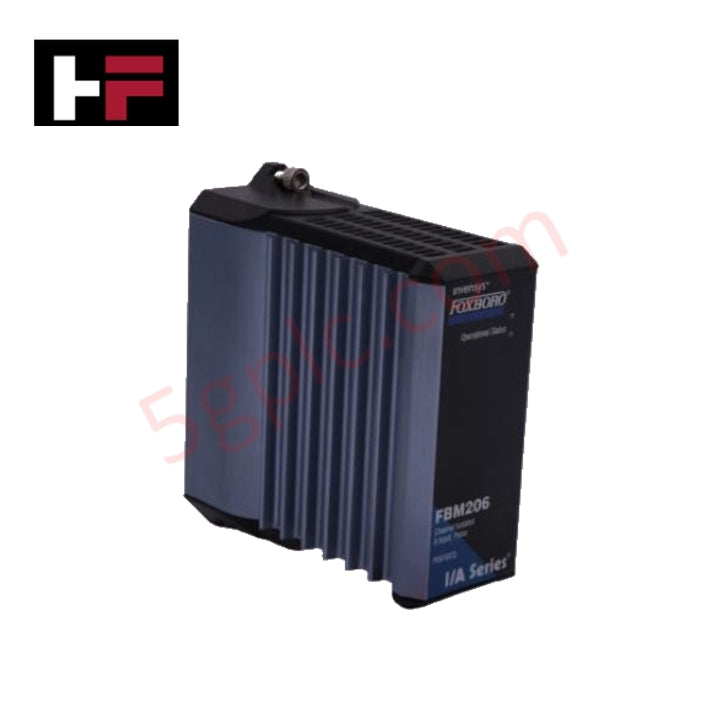
I/O modules bridge the gap between the CPU and field instrumentation. Input modules receive signals from sensors and switches, while output modules command actuators like motors and valves. In my professional practice, I strongly advocate for the use of optical isolators between these modules and field devices. These isolators protect the expensive CPU infrastructure from voltage spikes and short circuits occurring in the field. When selecting hardware, engineers choose between "Fixed" (compact) modules for small-scale applications or "Modular" designs that allow for scalable I/O density in larger systems.
Power Supplies and Programming Interfaces
Reliable power is the foundation of any industrial control system. Most PLCs operate on 24V DC, although some industrial environments still utilize 230V AC standards. In modular configurations, dedicated power supply modules manage the distribution of energy across the rack backplane. Furthermore, the programming interface—typically a laptop running vendor-specific software like TIA Portal or Studio 5000—allows engineers to develop logic. While handheld programmers were common decades ago, we now rely on graphical programming languages like Ladder Logic to visualize and troubleshoot complex applications in real-time.
Expert Insight: The Shift Toward Deterministic Control
Over the past 15 years, I have witnessed a significant evolution in PLC technology. While the core hardware remains largely consistent, the integration of Industrial Internet of Things (IIoT) protocols has transformed how we handle data. Despite these advancements, the fundamental principle of deterministic scan time remains non-negotiable. I advise engineers to prioritize simplicity in their logic design; complex code is often the primary culprit during troubleshooting. Always prioritize clear documentation and maintain logical separation between safety-critical functions and routine process controls.
Application Scenario: Scalable Manufacturing Line
Consider a packaging facility needing to expand its production capacity. A modular PLC approach is ideal here. By using a standard CPU rack, you can simply add new digital or analog I/O modules as the machine grows. This modularity avoids the need for a complete system overhaul. If a specific I/O module fails, the engineering team can replace that single unit in minutes, ensuring the entire system remains operational with minimal intervention.
About the Author
Zhang Wei is a veteran Industrial Automation Expert with 15 years of experience spanning PLC, DCS, TSI, and power protection technologies. Throughout his career, he has led technical teams through complex facility upgrades and large-scale automation deployments globally. He specializes in bridging the gap between legacy control architectures and modern smart-factory requirements, regularly contributing high-level technical documentation for the global engineering community.
- Posted in:
- CPU
- Industrial Automation
- PLC
- SCADA


%20in%20Industrial%20Automation)