PLC vs. PC: Navigating the Architectural Differences in Industrial Automation
- 〡
- 〡 by WUPAMBO
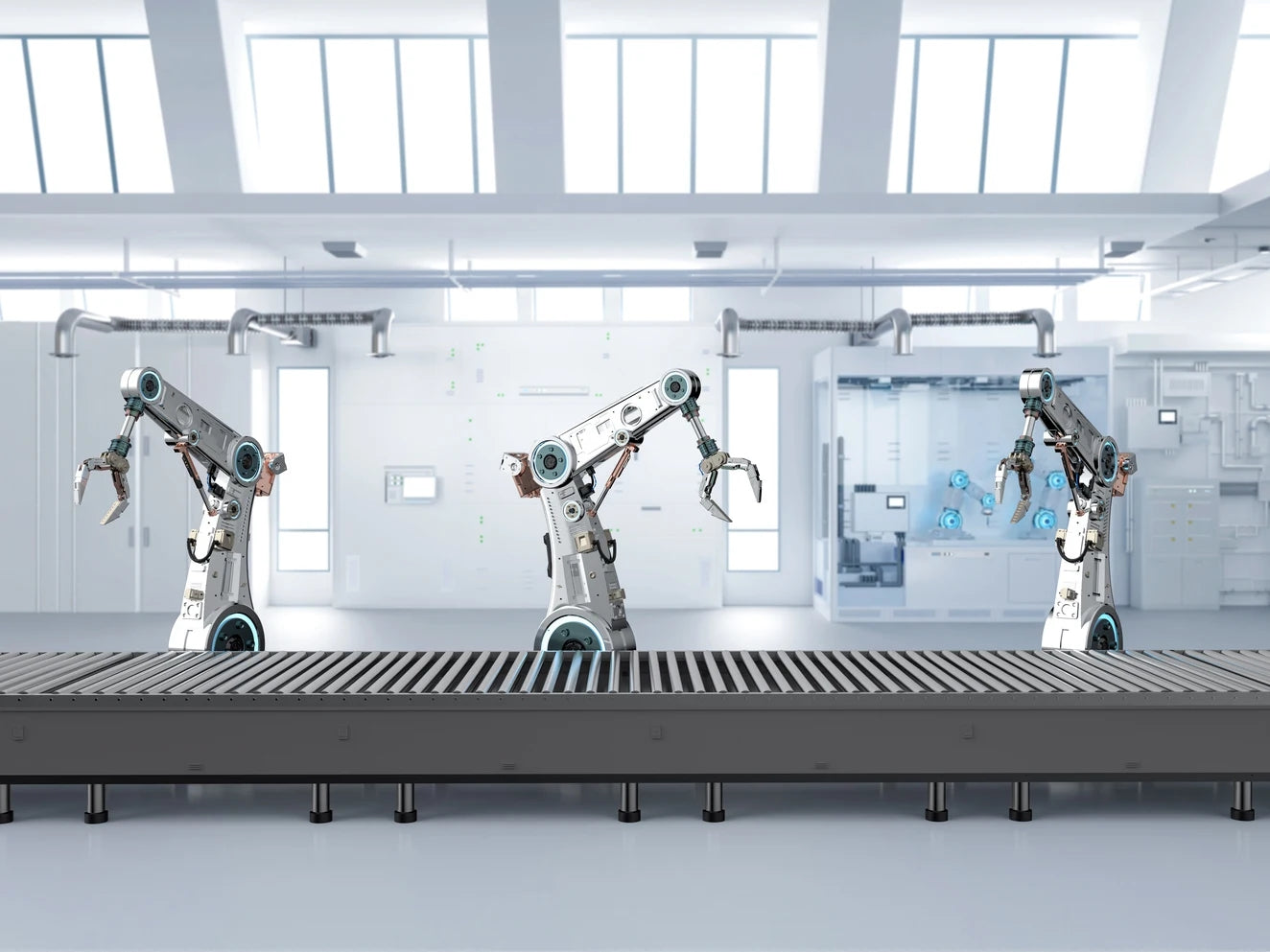
In the realm of factory automation, professionals often debate the roles of Programmable Logic Controllers (PLCs) and Personal Computers (PCs). While both devices share fundamental computing architectures—including a processor, memory, and an operating system—their design philosophies diverge significantly. Understanding these distinctions is critical for selecting the right hardware for your industrial control systems.
Hardware Durability and Environmental Resilience
Industrial environments demand ruggedization that standard office PCs simply cannot provide. A PLC is specifically engineered to endure extreme temperature fluctuations, high humidity, and severe electromagnetic interference. Conversely, PCs require climate-controlled spaces to maintain optimal performance. Consequently, attempting to deploy a standard computer in a hazardous production zone typically results in premature hardware failure.
Input/Output (I/O) Architecture and Real-Time Processing
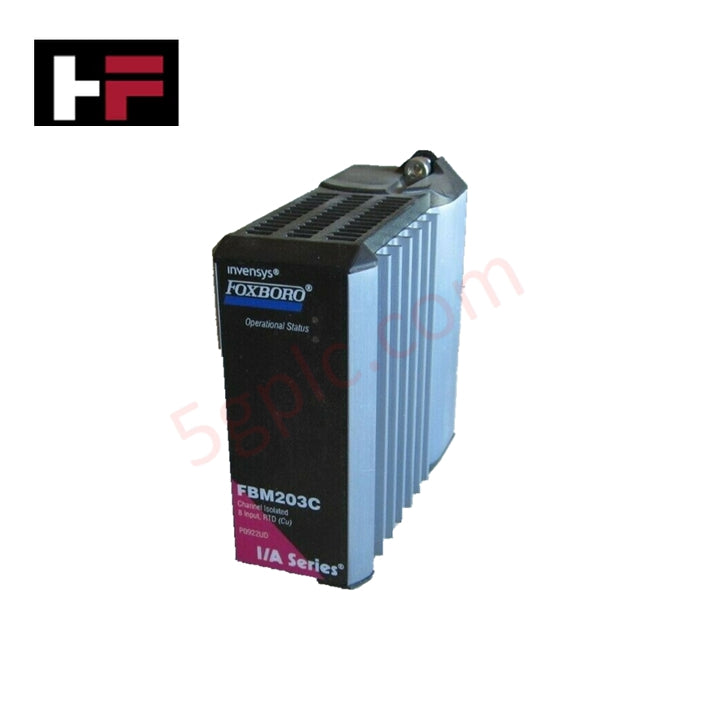
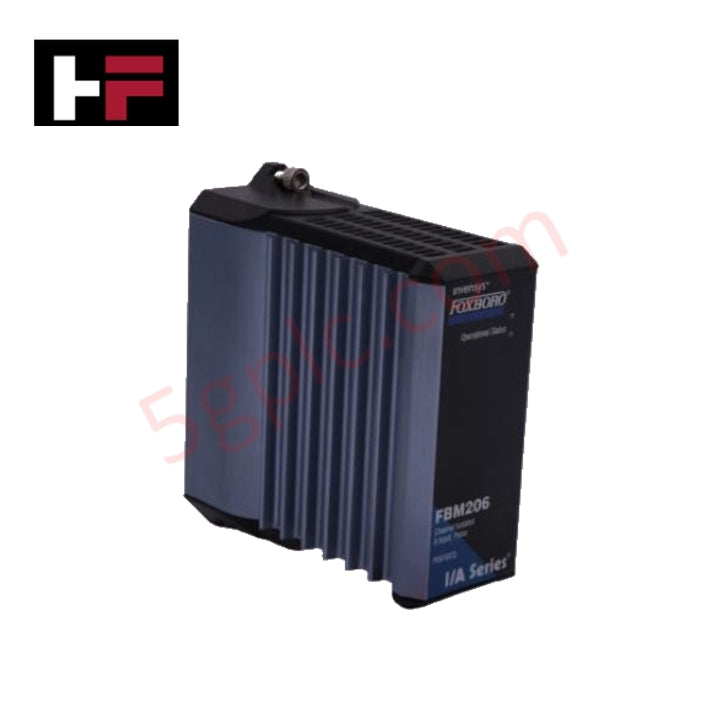
The primary difference lies in how these systems interact with the physical world. A computer relies on keyboards, mice, and high-level interfaces to receive user input. In contrast, a PLC utilizes dedicated I/O modules to interface with industrial hardware like proximity sensors, solenoid valves, and variable frequency drives (VFDs). Furthermore, while computers execute tasks in an asynchronous, multitasking environment, PLCs operate on a deterministic, sequential scan cycle. This scan-based execution ensures that logic is processed in a precise, predictable order from top to bottom, which is essential for process safety.
Maintenance and Troubleshooting Capabilities
From a maintenance perspective, PLCs offer superior diagnostic capabilities tailored for plant technicians. Most PLC hardware features integrated LED status indicators for every I/O point. This design allows operators to troubleshoot electrical faults rapidly without requiring a software interface. Moreover, modular design allows for the swift hot-swapping of I/O cards, which significantly reduces mean time to repair (MTTR) compared to a typical PC motherboard replacement.
The Evolution Toward Programmable Automation Controllers (PACs)
As industrial needs evolve, we are seeing a convergence of these two technologies: the Programmable Automation Controller (PAC). A PAC integrates the robust, deterministic control of a PLC with the complex data processing capabilities of a PC. I often recommend PACs for applications requiring advanced data logging, vision systems, or complex motion control. By leveraging the strengths of both architectures, PACs provide a comprehensive solution for modern, data-driven factory automation.
Expert Perspective: Choosing the Right Platform
In my fifteen years of field experience, I have observed many failed automation projects stemming from a misunderstanding of these roles. Never attempt to force a PC into a role requiring high-speed deterministic logic. Likewise, avoid using a PLC for high-level data visualization that belongs in an HMI or SCADA environment. Always prioritize hardware reliability first, then select the processing power that matches your specific control requirements.
Application Scenario: Hybrid Control Systems
Consider a high-speed bottling line. Here, the sequence logic—starting the conveyor, activating the filling valve, and confirming capping—must run on a dedicated PLC to ensure sub-millisecond precision. Meanwhile, a PC-based HMI or a PAC handles the secondary tasks, such as tracking inventory data, generating production reports, and managing recipe storage. This "divide and conquer" approach maximizes both operational speed and data transparency.
About the Author
Li Wei is a veteran Industrial Automation Engineer with 15 years of deep expertise in PLC, DCS, and power protection systems. Throughout his career, he has successfully commissioned large-scale control projects for global manufacturing facilities, ensuring seamless integration between legacy operational technology and modern industrial networks. He is a frequent contributor to technical journals, providing practical guidance on system architecture and field-level troubleshooting.
- Posted in:
- Hardware Reliability
- Industrial Automation
- PAC
- PC vs PLC
- PLC
- SCADA