Essential SCADA Features for Modern IoT-Enabled Industrial Automation
- 〡
- 〡 by WUPAMBO
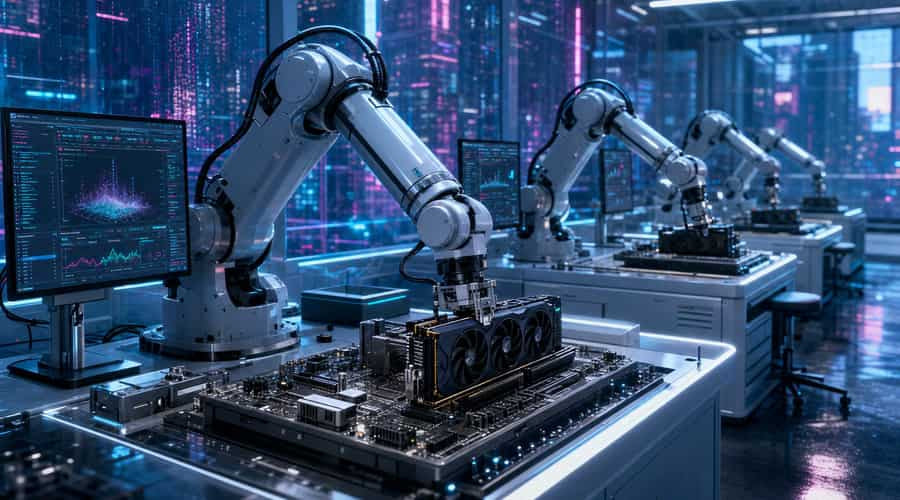
The convergence of traditional SCADA systems with the Industrial Internet of Things (IIoT) has redefined factory automation. Choosing a robust platform requires more than just standard monitoring capabilities. In this era of Industry 4.0, your supervisory system must bridge the gap between legacy control systems and enterprise-level data integration.
High-Performance Data Handling and Scalability
Modern SCADA systems must process massive datasets without introducing latency. If your system lags, it fails to provide the real-time visibility required for critical decision-making. Therefore, look for platforms that support high-density tag counts and efficient database indexing. In my experience, a system that seamlessly imports and exports data from external SQL or NoSQL databases ensures long-term operational flexibility.
Seamless IIoT Connectivity and Integration
The future of industrial automation relies on interoperability. Your SCADA must communicate via standard protocols like MQTT, OPC-UA, and SNMP while remaining firewall-friendly. Moreover, it should integrate effortlessly with MES, ERP, and asset management systems. This connectivity enables the holistic data flow that turns simple machine-level monitoring into a comprehensive business intelligence tool.
Intuitive Dashboards and 2D/3D Visualization
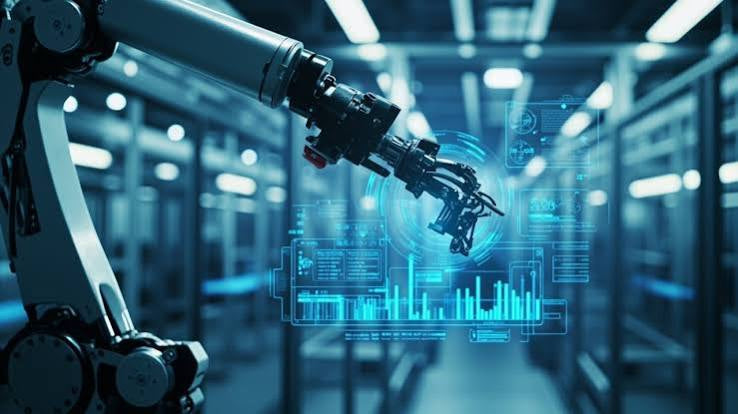
Operators require clear, actionable data at a glance. Advanced SCADA platforms now offer drag-and-drop widgets, configurable gauges, and split-screen layouts to improve the user experience. In addition, rich 2D and 3D visualization tools—built on HTML5 and WPF technologies—allow for consistent viewing across web browsers and mobile devices. High-fidelity graphics are not just aesthetic; they significantly reduce response times for on-site personnel.
Reliable Redundancy and System Availability
Downtime remains the greatest enemy of industrial profitability. A professional SCADA deployment must include robust redundancy configurations at the server, client, and historian levels. If a primary server fails, the system must trigger an automatic failover to the secondary node. Consequently, this architecture ensures that your data remains continuous and accessible, even during localized hardware failures.
Enterprise-Wide Alarm and Event Management
Modern alarm management goes beyond simple on-screen pop-ups. Industry 4.0 demands distributed notification systems that reach managers via email, SMS, or collaborative platforms like Microsoft Teams. Furthermore, advanced event management filters out alarm "noise," ensuring that operators prioritize critical issues. This approach transforms reactive maintenance into a proactive, intelligent strategy.
Expert Commentary: The Shift Toward Edge-Driven SCADA
In my fifteen years of field experience, I have observed a distinct shift toward edge-computing architectures. SCADA is no longer a centralized, static tool; it is an evolving ecosystem. I advise engineers to prioritize "software-agnostic" platforms. By avoiding proprietary constraints, you ensure that your control systems remain compatible with the rapid pace of future technological innovation.
Solution Scenario: Smart Factory Monitoring
- Challenge: Siloed production data prevents managers from viewing real-time OEE (Overall Equipment Effectiveness).
- Solution: Implementing an IIoT-ready SCADA system that aggregates PLC data into a cloud-integrated SQL database.
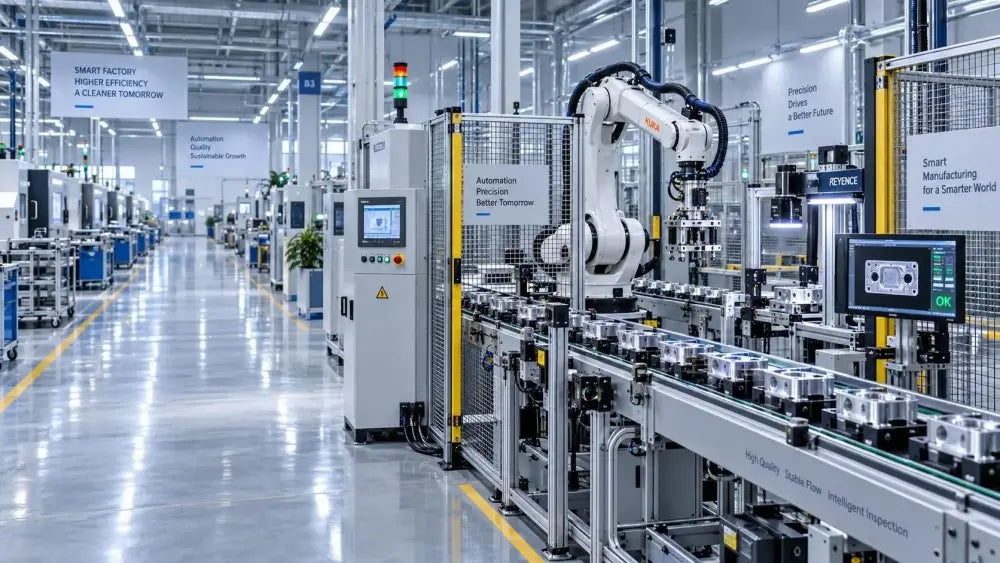
- Outcome: Managers receive automated performance reports via email, while operators visualize production lines in 3D, leading to a 15% increase in operational throughput.
About the Author
Chen Hao is a distinguished industrial automation specialist with 15 years of technical expertise. His background spans the full spectrum of control engineering, including advanced PLC/DCS programming, instrumentation, and industrial grid security. Throughout his career, Chen has managed large-scale digital transformation projects across the chemical and energy sectors. He is widely recognized for his ability to translate complex automation requirements into reliable, high-performance operational architectures.
- Posted in:
- Data Visualization
- Digital Transformation
- IIoT
- Industrial Automation
- PLC
- SCADA
- System Integration