Top 5 Operational Advantages of HMIs in Modern Factory Automation
- 〡
- 〡 by WUPAMBO

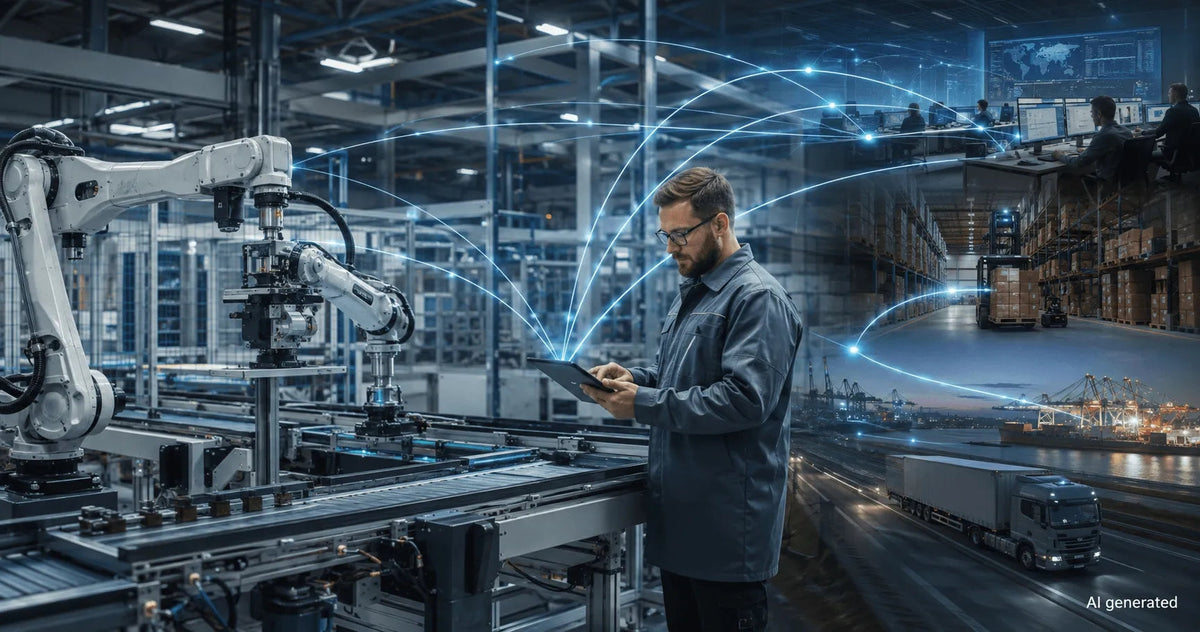
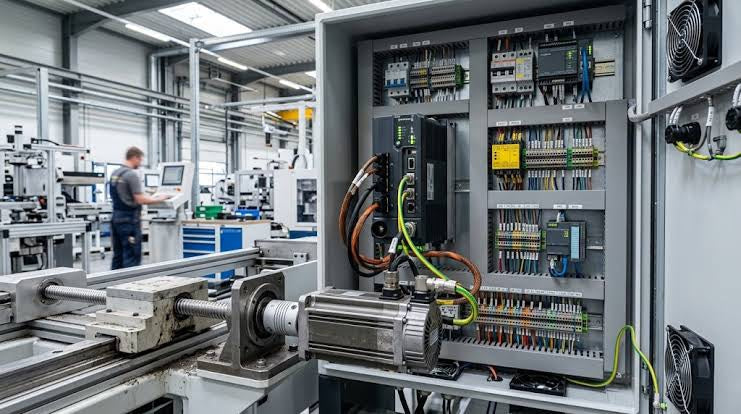
Human-Machine Interfaces (HMIs) bridge the gap between human operators and complex industrial control networks. Modern industrial automation relies on HMIs to provide real-time visualization, control capabilities, and data analytics. Engineers integrate HMIs with Programmable Logic Controller (PLC) networks and Distributed Control Systems (DCS) across production environments.
This technical article explores the five core operational benefits of deploying modern HMIs in industrial facilities.
Evolution of Operator Interfaces in Control Systems
Industrial control rooms previously relied on physical pushbuttons, hardwired panel meters, and chart recorders. However, modern factory automation demands centralized digital visualization.
HMIs integrate directly with PLCs via industrial protocols such as Ethernet/IP, PROFINET, or Modbus TCP. Consequently, operators monitor process variables and control machinery from a single touch-screen terminal.
1. Advanced Real-Time Data Logging and Storage
Modern HMIs continuously poll real-time data from field PLCs and DCS nodes.
Seamless PLC Integration
HMIs extract process values, device statuses, and analog trends directly from controller memory. Consequently, data logging continues smoothly even during temporary network interruptions.
Long-Term Archiving Capabilities
High-end industrial terminals store historical alarm logs and process trends internally or export them to cloud databases. As a result, engineers gain critical data needed for predictive maintenance and root-cause failure analysis.
2. Intuitive Ergonomics and Operator Usability
Operator error accounts for significant unplanned downtime in continuous process facilities. Modern HMIs minimize operational errors through clear graphical visualization.
Standardized Color Coding and Alarms
HMIs utilize high-performance graphics standards (such as ISA-101) for clear process status visual indication. Color-coded alarms highlight abnormal process conditions instantly.
Centralized Single-Point Control
Operators manage multiple connected machines from a single interface. Therefore, personnel no longer need to check individual local instrumentation physical points across the plant floor.
3. Greater Operational Flexibility and Customization
Flexible software platforms allow system integrators to adapt HMIs to dynamic production requirements.
Modular Interface Design
Engineers customize graphical screens, access privileges, and control parameters easily. Moreover, multi-language support enables seamless international hardware deployment.
Remote Access and Mobile Control
Modern HMIs support secure web-server functionality and mobile connectivity. Consequently, plant managers monitor real-time production metrics remotely via tablets or smart devices.
4. Higher Workforce Productivity and Reduced Training Costs
HMIs simplify complex machine operations into visual touch-screen actions.
Simplified Workflow Execution
Intuitive touch interfaces guide operators step-by-step through complex recipe changes and machine calibration procedures. Therefore, operators complete process transitions faster.
Faster Onboarding Time
Standardized graphical layouts reduce training time for new plant personnel. As a result, facilities maintain high throughput despite skilled labor shortages.
5. Overall Plant Efficiency and High Output
Deploying advanced HMIs directly impacts manufacturing profitability and Overall Equipment Effectiveness (OEE).
Rapid Alarm Diagnostics
When process anomalies occur, HMIs pinpoint fault locations immediately. Consequently, maintenance teams resolve issues quickly, minimizing mean time to repair (MTTR).
Optimization of Process Variables
Engineers use real-time trend displays to fine-tune loop controllers. As a result, manufacturing lines maintain optimal operating speeds with minimal material waste.
Summary of Core HMI Advantages
| Advantage Dimension | Key Operational Impact | Primary Technology Used |
|---|---|---|
| Data Logging | Continuous historical trending and zero data loss | OPC UA, SQL, local flash storage |
| Usability | Reduced human error and clear fault detection | ISA-101 high-performance graphics |
| Flexibility | Remote monitoring and customized operator views | Web HMI, VNC, MQTT protocols |
| Workforce Productivity | Faster machine setup and reduced training time | Interactive touchscreen recipes |
| Plant Efficiency | Lower MTTR and maximized overall machine uptime | Automated alarm diagnostics |
Application Scenario: Automotive Stamping Line Upgrade
An automotive component plant operated an older metal stamping line controlled by legacy PLCs and hardwired control panels. Operators spent significant time walking around the press to check fault lamps.
Technical Implementation
Engineers installed 15-inch industrial panel HMIs connected via PROFINET to a central Siemens S7-1500 PLC:
- Visual Diagnostics: The HMI displayed real-time 3D models highlighting exact sensor fault locations on the die.
- Recipe Management: Operators loaded part configurations in seconds via pre-configured HMI recipes, replacing manual thumbwheel adjustments.
- Downtime Reduction: Line setup time dropped by 40%, while overall operational throughput increased by 15%.
Technical Insights and Industry Trends
As Industry 4.0 matures, HMI technology is shifting toward web-based architectures and edge-computing integration. Modern HMIs act as edge gateways, translating legacy PLC protocols into secure MQTT streams for enterprise analytics.
Investing in robust, high-performance HMIs is essential for facilities aiming to enhance operational safety, protect data integrity, and boost manufacturing productivity.
About the Author
Guo Feng is a Senior Industrial Automation Architect with over 15 years of experience in PLC/DCS design, HMI/SCADA software engineering, and smart factory integrations. He specializes in human-centric interface design, ISA-101 standards, and control room modernization projects for power generation and automotive manufacturing industries.