Step-by-Step System Cabinet Health Check Guide for PLC and DCS Infrastructure
- 〡
- 〡 by WUPAMBO

System cabinet health checks ensure long-term reliability across industrial automation facilities. Preventative maintenance prevents hardware degradation, communication loss, and unplanned outages in process control networks. Engineers managing Programmable Logic Controller (PLC) racks and Distributed Control System (DCS) cabinets must execute rigorous routine inspections.
This standard operating guide outlines the procedural workflow for conducting thorough health checks on control cabinets.
Pre-Inspection Safety Protocol and Setup
Field engineers must verify work safety permits before opening any control cabinet.
- Work Permit Acquisition: Secure the appropriate hot-work or cold-work permits according to site safety regulations.
- Panel Verification: Confirm the unique panel tag name (for example, Panel 10-3-01) on the cabinet door label.
- Door Mechanism Testing: Inspect the door locking mechanisms by opening and latching the doors twice.
CPU and Communication Module Diagnostics
Visual diagnostic inspections on primary and redundant processors reveal potential bus errors before system failures occur.
- Status LED Inspection: Verify that primary status LEDs (such as RDY and HRDY) glow continuously on both CPU cards.
- Redundancy Active Indicator: Confirm the active master controller by verifying the illuminated CTRL LED on the active CPU.
- Bus Traffic Verification: Ensure that fieldbus communication LEDs (SEND and RECEIVE for redundant networks) blink continuously.
- Hardware Diagnostic Alarms: Check processors, redundancy modules, fieldbus cards, and I/O modules for active fault indicators.
Power Supply and Voltage Checks
Stable DC power feeds guarantee reliable signal processing across analog and digital field channels.
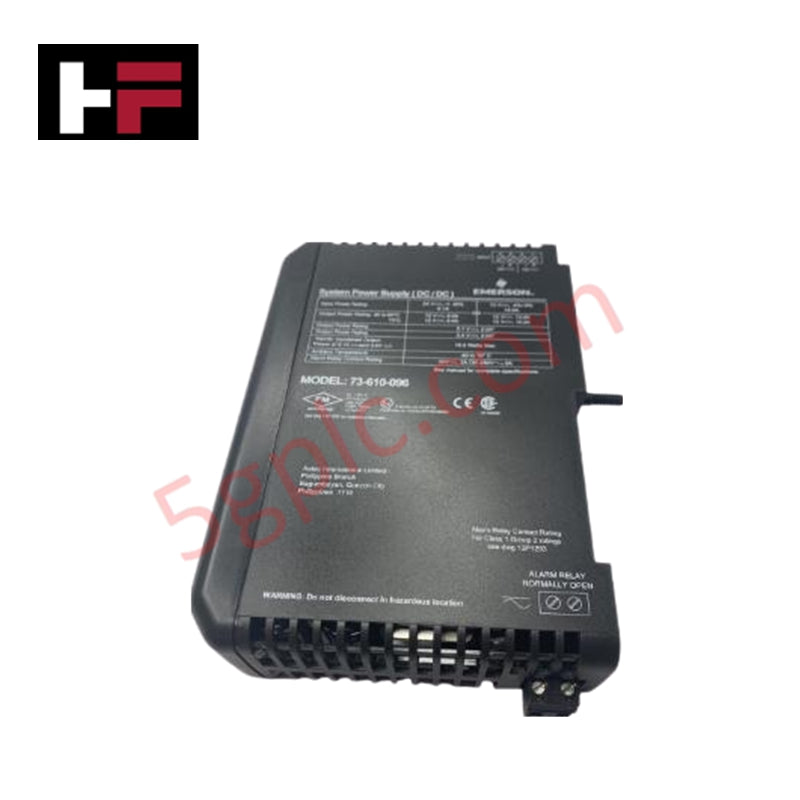
- DC Bus Measurements: Measure internal 5 V DC logic supplies and 24 V DC field power rails at the power supply card terminals.
- AC Utility Power: Verify incoming primary AC utility power levels at the main circuit breaker (MCB) located inside the panel.
- Uninterruptible Power Supply (UPS): Measure the incoming dual-redundant UPS feed voltages to ensure power line stability.
Thermal Management and Cabinet Environment
Excessive thermal buildup accelerates semiconductor aging and triggers processor thermal shutdowns.
- Cooling Fan Inspection: Confirm operational status for all roof-mounted exhaust fans and internal cooling blowers.
- Alarm Unit Monitoring: Inspect the Fan Failure and Temperature Detection Unit (FFTDU) panel to confirm green F-OK and T-OK statuses.
- Lighting and Door Switches: Test internal panel illumination by toggling the door-limit safety switches manually.
Physical Wiring, Grounding, and Structural Integrity
Mechanical integrity protects control systems against external dust, moisture, and electromagnetic interference.
- Connection Tightness: Inspect terminal blocks and wiring harnesses for loose wire terminations or vibration damage.
- Cabinet Grounding: Verify low-impedance grounding connections between cabinet doors, frame structures, and main instrument earths.
- Slot Cover Verification: Ensure non-conductive blanking plates fully seal all unused I/O and rack slots.
- Cable Gland Sealing: Inspect bottom cable entry plates and fire-stop seals to maintain cabinet NEMA/IP ingress ratings.
- Filter Maintenance: Clean or replace panel intake air filters and ensure internal cable ducts remain covered.
Complete Preventive Maintenance Checklist
1.Permit and Identification:Safety Compliance。
Obtain authorized work permits. Verify the physical cabinet tag identifier against current piping and instrumentation diagrams (P&ID).
2.Processor and Bus Diagnostics:Visual LED Status。
Verify illuminated CPU health lamps. Ensure redundant bus communication indicators display continuous transmission activity.
3.Power Rail Verification:Voltage Metrics。
Measure 24 V DC auxiliary rails, 5 V DC logic buses, and incoming UPS power feeds using calibrated digital multimeters.
4.Thermal and Ingress Protection:Environmental Checks。
Test exhaust fan operations, clean intake air filters, and verify intact cable gland bottom seals.
5.Structural and Grounding Audit:Physical Integrity。
Verify low-resistance instrument grounding, secure loose connections, and ensure full coverage of empty rack slots with dummy plates.
Field Application Scenario: Chemical Plant DCS Cabinet Maintenance
During a scheduled maintenance outage at a continuous chemical processing plant, field engineers performed a comprehensive DCS cabinet audit using this standard health check workflow.
Identified Vulnerabilities
- Power Supply Drift: The primary 24 V DC rail read 21.8 V DC, indicating an impending power supply module failure.
- Thermal Stress: Blocked air intake filters increased cabinet internal temperature to 48 °C, causing active thermal warnings on the FFTDU unit.
- Ingress Risk: Unsealed bottom cable gland plates exposed the lower terminal blocks to ambient chemical fumes.
Corrective Measures
The team replaced the failing power supply card, swapped all clogged panel filters, and resealed the cable entry gland plates with fire-retardant putty. These preventive actions eliminated potential unplanned shutdowns during subsequent operations.
Technical Insights and Best Practices
In modern Industry 4.0 facilities, physical cabinet health checks complement digital asset management software. While remote DCS diagnostics track software faults and CPU loads, manual physical checks remain irreplaceable for detecting loose terminal screws, degraded filter elements, and compromised ingress seals.
Establishing a quarterly cabinet maintenance routine ensures adherence to IEC 61131 standards, maintains system reliability, and prolongs the operational lifespan of critical automation hardware.
About the Author
Sun Wei is a Senior Control Systems Infrastructure Architect with 15 years of field experience in PLC/DCS cabinet design, power distribution commissioning, and industrial maintenance across chemical, oil and gas, and power generation facilities. He specializes in cabinet thermal management, ISA-88/95 compliance, and plant reliability engineering.
- Posted in:
- Control System Maintenance
- Factory Automation Troubleshooting
- Industrial Automation
- PLC DCS Cabinet Health Check