











Product Details
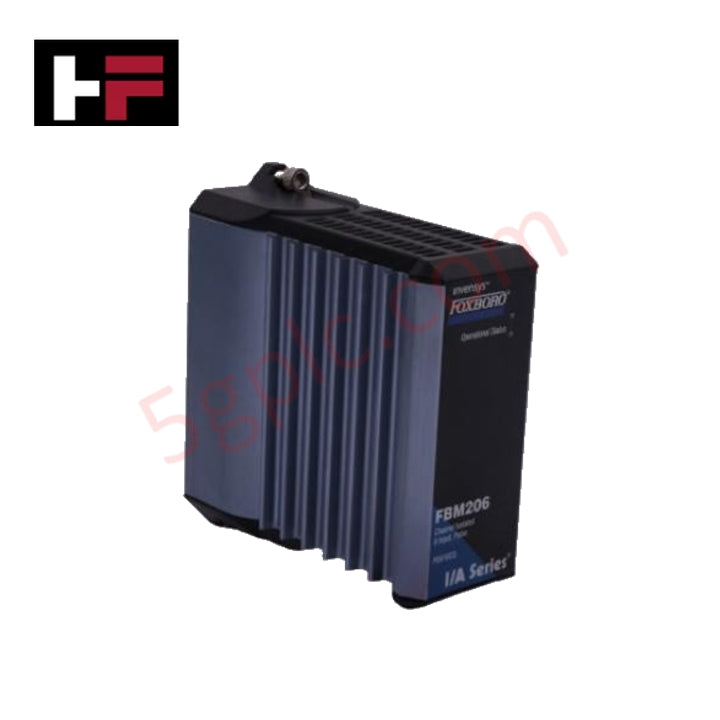
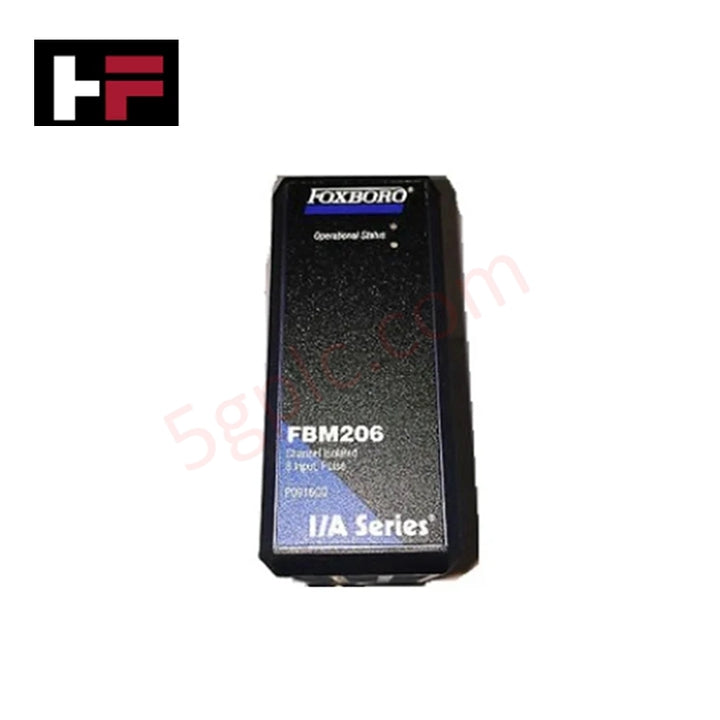
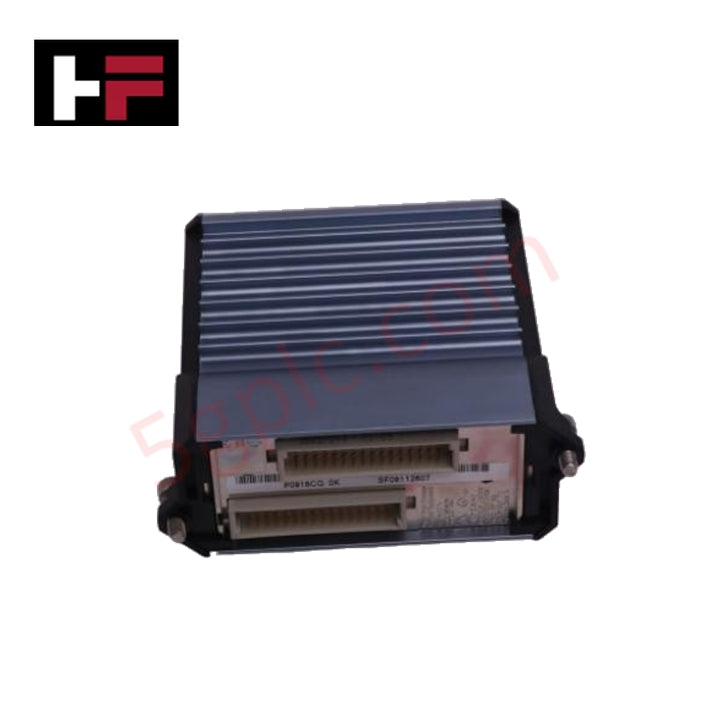
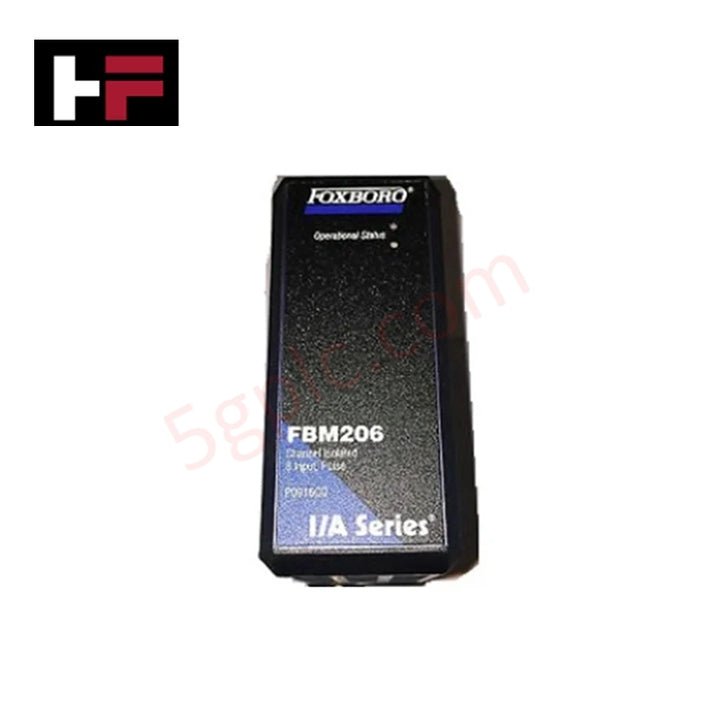
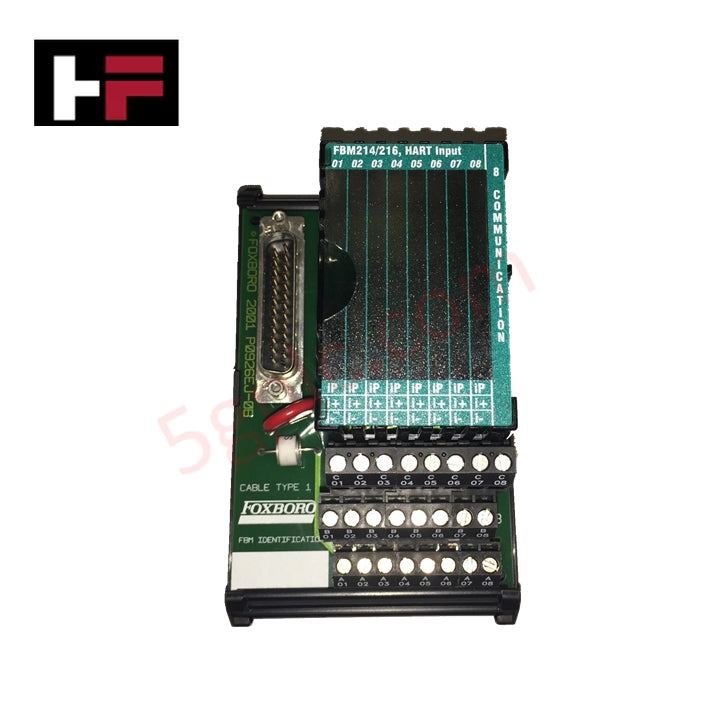
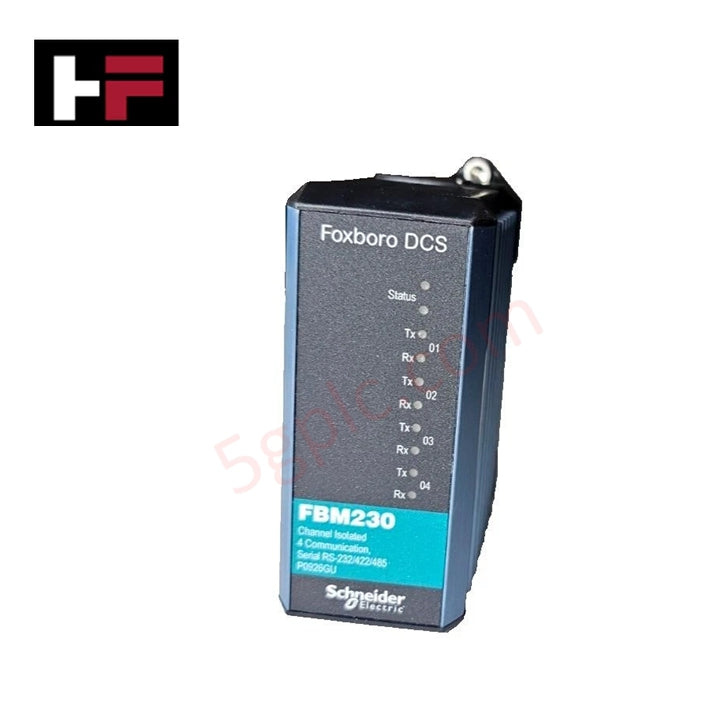
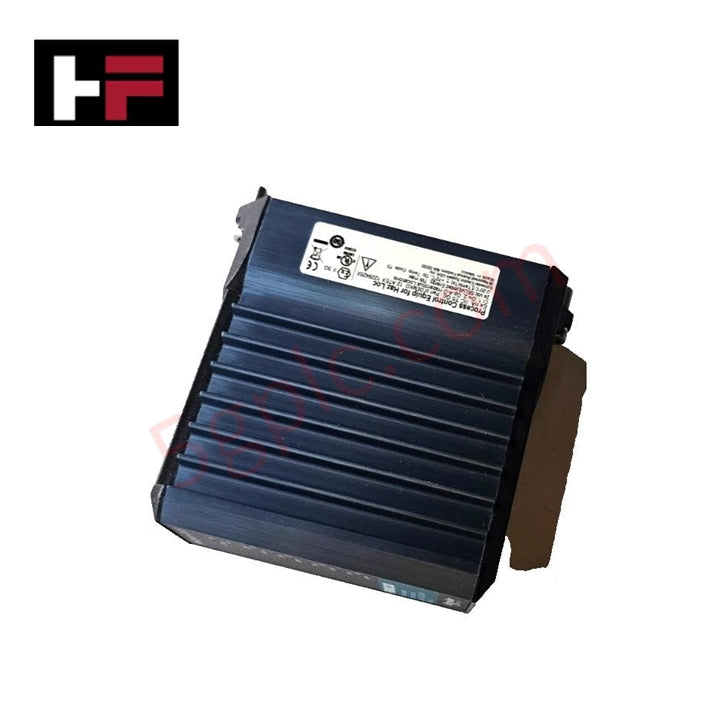
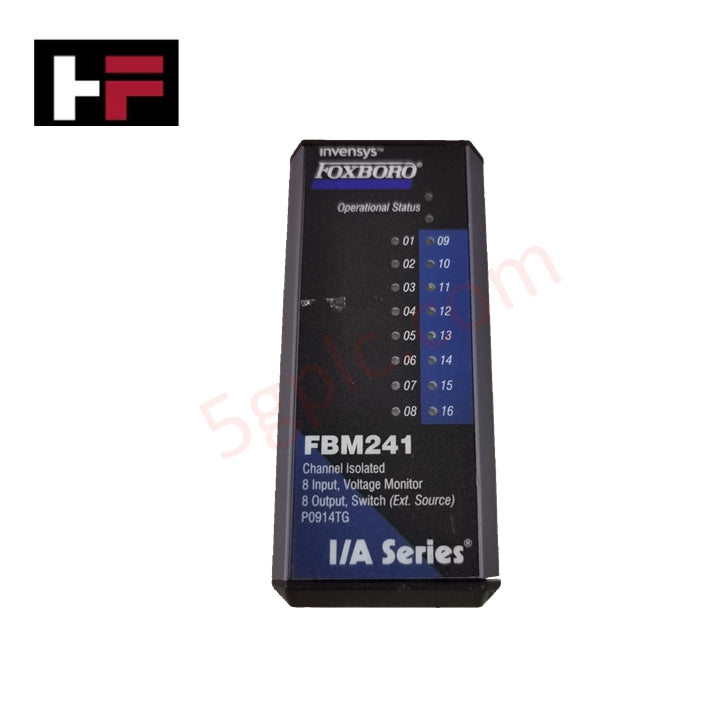
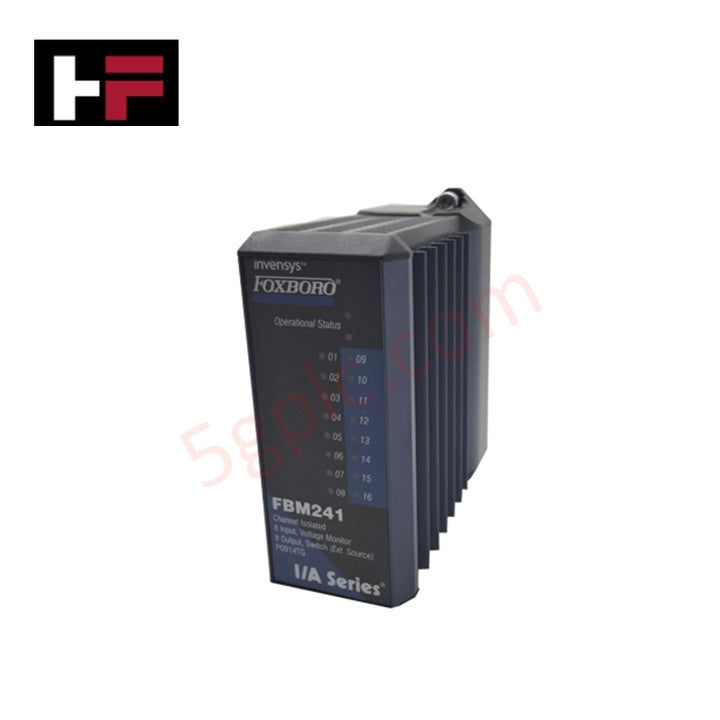
Foxboro FBM237R P0914XS Isolated Analog Output Module
The Foxboro FBM237R P0914XS, also cataloged as the FBM237R Isolated Analog Output Module, operates as a dedicated hardware component for precise current loop control within Foxboro I/A Series DCS platforms. Configured with eight independent 20 mA DC analog output channels, the board delivers isolated command signals directly to field-mounted control valves, positioners, and variable speed drives. The module processes system logic outputs across the redundant Module Fieldbus, maintaining 13-bit conversion resolution and HART high-impedance signal pass-through without signal degradation.
Hardware Specifications
| Parameter | Specification |
|---|---|
| Model | FBM237R P0914XS |
| Brand | Foxboro / Schneider Electric |
| Origin | USA |
| Weight | 0.30 kg |
| Dimensions | Standard Foxboro FBM Chassis |
| Operating Temp | -20 to +70 deg C |
| Power Consumption | 24 VDC nominal |
| Output Channels | 8 Independent Isolated 20 mA DC Analog Channels |
| Output Range | 0 to 20.4 mA DC |
| Accuracy | +/-0.05% of Span (0.1 mA to 20 mA) |
| Output Load | 750 ohm maximum |
| Resolution | 13 bits |
| Isolation | Galvanic isolation (600 VAC for 1 min) |
| System Platform | Foxboro I/A Series DCS |
Process Control and Signal Isolation
Each output channel features channel-to-channel and channel-to-ground galvanic isolation rated at 600 VAC for 1 minute to prevent ground loops across field instrumentation loops. Full compatibility with 4-20 mA HART loop protocol devices enables pass-through digital HART frequency shift keying (FSK) signals alongside the analog current command. Onboard temperature compensation maintains a drift coefficient within +/-50 ppm/deg C, preserving current output accuracy across varying cabinet temperatures.
Frequently Asked Questions
Q: How does the channel isolation design protect connected field positioners and control valves?
A: Optical and transformer galvanic barriers isolate each 20 mA current loop from adjacent channels and chassis earth ground, suppressing common-mode voltage surges up to 600 VAC.
Q: What is the maximum load resistance the output channels can drive?
A: Each channel drives an external loop load resistance up to 750 ohm while maintaining specified +/-0.05% output span accuracy.
Q: How does the module handle high-frequency HART digital communication signals?
A: Integrated HART high-impedance coupling circuits allow digital FSK communication signals to pass through the 0 to 20.4 mA current path without distorting the underlying analog setpoint.
Field Installation Guidelines
Align the module housing with its designated slot on the Foxboro FBM mounting baseplate, pressing evenly until the latching tabs click firmly into place. Connect a dedicated 14 AWG earth ground wire from the baseplate grounding terminal directly to the central cabinet earth bus to ensure high-frequency noise suppression. Always verify that baseplate backplane connections are free of debris prior to seating the module.
Route all field output cables through dedicated wire troughs, keeping analog output wiring separated from high-voltage AC power distribution leads. Shielded twisted-pair cables should be terminated at the baseplate ground bar at a single end to eliminate ground loop paths. Field technicians must wear a grounded ESD wrist strap when handling unshielded module connectors or modifying field terminal assemblies.
Additional Information
- 100% Genuine Parts: All products are original and authentic, ensuring reliable industrial performance.
- 30-Day Refund Guarantee: Return any in-stock item within 30 days in original, unopened packaging for a full refund (excluding shipping and fees).
- 12-Month Warranty: Covers defects in materials or workmanship; excludes misuse, normal wear, or unauthorized modifications.
- Worldwide Shipping: We ship via USPS, UPS, FedEx, and DHL. Delivery times vary by country and may be subject to customs or import fees.
- Support & Contact: Technical and warranty assistance is available anytime. Contact us here: Contact.
- Purchase Guidance: Check product specifications and compatibility carefully before ordering to ensure proper application.
Tech & Buying Guide

Comparing PID and Model Predictive Control (MPC) in Industrial Automation
Advanced process control strategies remain fundamental for maintaining optimal plant efficiency and product quality. Therefore, control engineers frequently evaluate whether a traditional Proportional-Integral-Derivative (PID) algorithm or a Model Predictive Control (MPC) strategy suits a given application. In my 15 years of commissioning distributed control systems (DCS) and factory automation networks, I have tuned thousands of PID loops while deploying complex MPC packages on multivariable distillation columns. Below, I break down the core operational differences between these two foundational control methodologies.
Mastering Time Synchronization in Industrial Automation Applications
Precise time synchronization remains vital for modern industrial automation, distributed control systems (DCS), and power protection networks. Therefore, control engineers must maintain uniform clocks across all controllers, human-machine interfaces (HMIs), and supervisory stations. In my 15 years of commissioning complex industrial automation projects, I have frequently investigated root-cause failures where misaligned timestamps obscured the true sequence of events. Below, I break down the core time synchronization protocols and methods essential for reliable factory automation.

Designing Robust SCADA Systems for Electrical Substation Automation
Electrical substation automation requires rigorous engineering standards to guarantee uninterrupted power distribution and grid stability. Therefore, control engineers must design supervisory control and data acquisition (SCADA) architectures with absolute precision. In my 15 years of commissioning power protection and substation automation systems, I have witnessed how meticulous SCADA design prevents catastrophic grid failures. Below, I outline the critical engineering practices required to build reliable substation SCADA solutions.