Tech & Buying Guide
Applications of SCADA in Industrial Automation
- 〡 by WUPAMBO
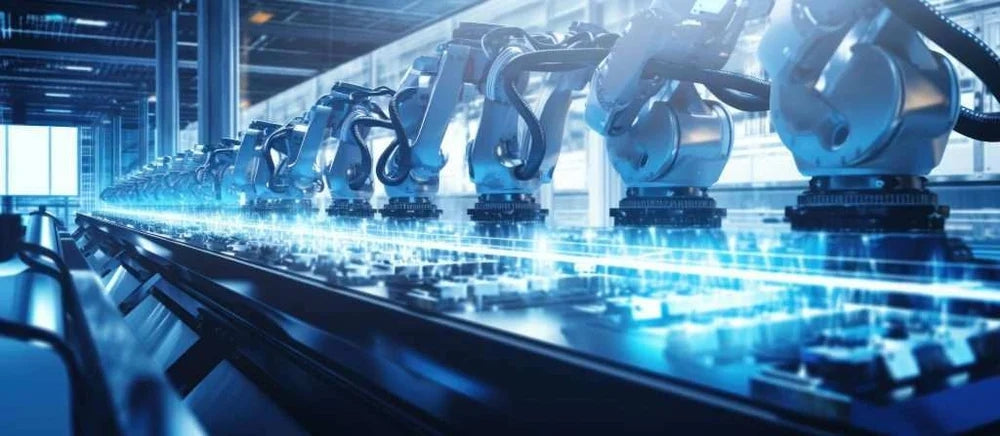
Discover how SCADA systems revolutionize industrial automation by enabling remote control, data analysis, and real-time process optimization across industries such as power, water, transportation, and manufacturing.

Main Components of a SCADA System in Industrial Automation
- 〡 by WUPAMBO
Discover the key components of a SCADA system and how sensors, RTUs, master units, and communication networks integrate to monitor and control industrial processes in real time.

Key Functions of a SCADA System in Industrial Automation
- 〡 by WUPAMBO
Explore the four core functions of SCADA—data acquisition, communication, visualization, and control—and understand how this system powers industrial automation, process optimization, and remote supervision.

Instrumentation Earthing in Industrial Automation Systems
- 〡 by WUPAMBO
In industrial automation, earthing provides a safe, low-resistance path for electrical fault currents. It protects both equipment and personnel by diverting excessive current directly into the ground. Proper earthing is fundamental to PLC, DCS, and control system reliability, ensuring stable operation even under fault conditions.

Automated Car Parking System Using PLC Programming
- 〡 by WUPAMBO
A practical overview of designing an automated car parking system using PLC programming. Learn how sensors, counters, and interlocking logic work together to optimize vehicle management in industrial automation environments.
Difference Between DCS, PLC, and RTU in Industrial Automation
- 〡 by WUPAMBO
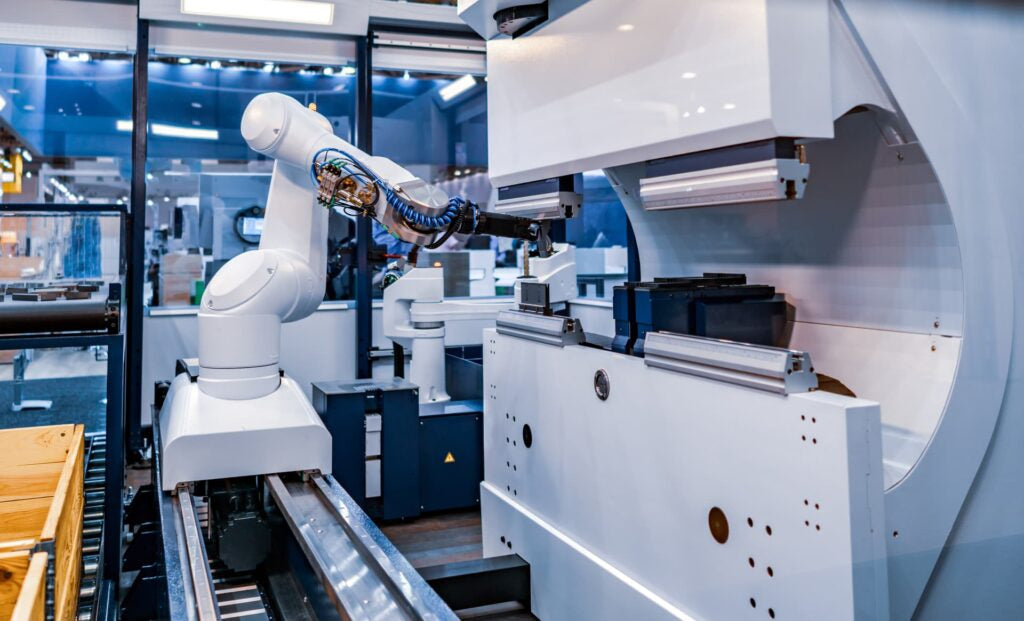
In modern industrial automation, three control systems dominate: Distributed Control Systems (DCS), Programmable Logic Controllers (PLC), and Remote Terminal Units (RTU). Each serves the same goal—monitoring and controlling processes—but is optimized for different applications and environments.