PLC vs CNC Machines: Key Differences in Industrial Automation
- 〡
- 〡 by WUPAMBO

In industrial automation, both PLCs and CNC machines play vital roles. While both automate operations, they serve distinct purposes, feature unique programming methods, and provide different benefits. Understanding these differences helps manufacturers select the right control solution for production efficiency and precision.
What is a PLC?
A Programmable Logic Controller (PLC) is a versatile automation device combining hardware and software. It interfaces with sensors, actuators, valves, and other instruments while executing programmed logic.
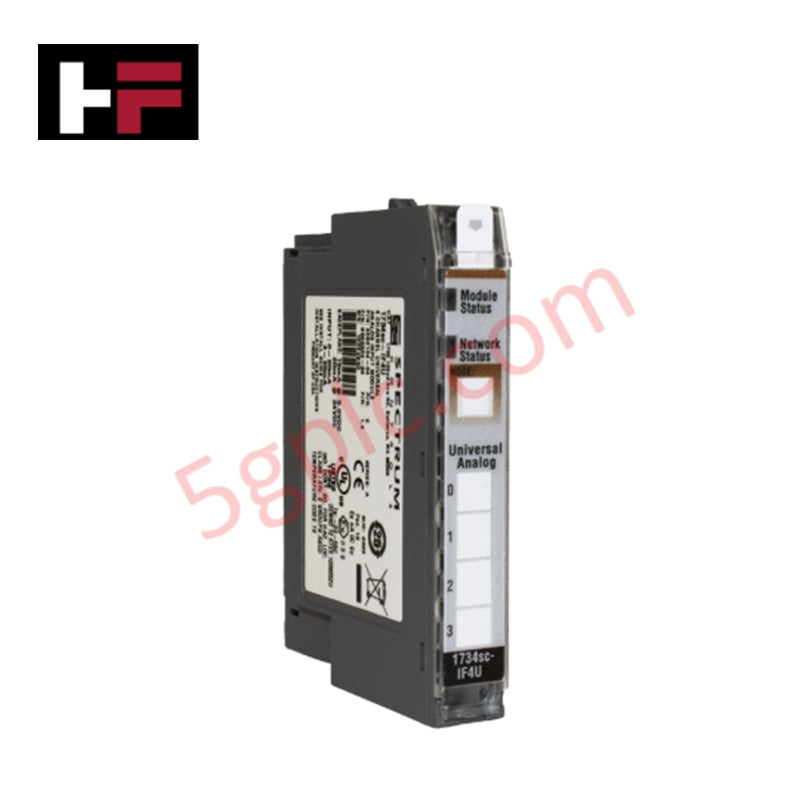
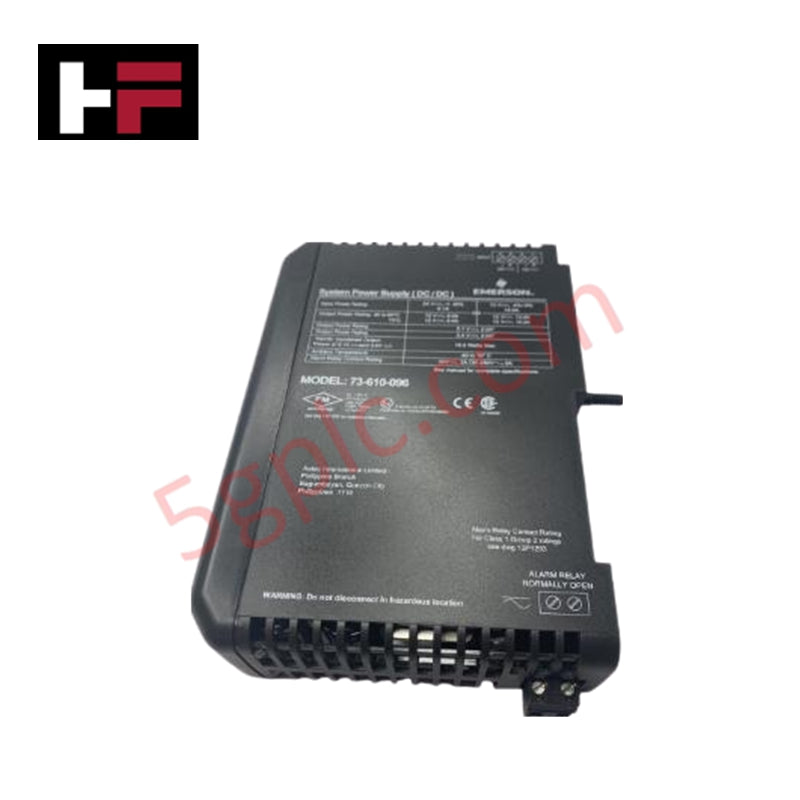
PLCs include a power supply, CPU, memory, input/output modules, and communication ports. Standard power ranges from 24V DC/AC to 230V AC. The CPU executes logic programs, while input modules convert electrical signals into digital data, and output modules control field devices.
PLCs support multiple programming languages, including ladder logic, function block diagrams, structured text, instruction list, and sequential flow charts, making them suitable for a wide range of automation tasks.
Author Insight: PLCs are ideal for factory automation and process control, offering flexible programming and rapid deployment for diverse industrial applications.
What is a CNC Machine?
Computerized Numerical Control (CNC) machines are specialized controllers used in machining operations. They execute precise movement commands to machine tools based on programmed instructions, typically written in G-code generated from CAD/CAM software.
CNC systems control up to five axes of movement, perform linear, circular, and helical interpolations, and rely on feedback from encoders, sensors, and drives to maintain accuracy. Components include an input device, CPU, machine tool, driving system, display, and feedback system.
Author Insight: CNC machines excel in high-precision manufacturing, such as milling, turning, and complex part fabrication, where accuracy and repeatability are critical.
Core Differences Between PLC and CNC
-
Programming: PLCs use ladder logic, FBD, and structured text; CNC machines rely on G-code from CAD/CAM software.
-
Application: PLCs automate processes broadly, including machine, process, and assembly control. CNC machines specialize in machine tool automation.
-
Interface: PLCs may have optional HMIs; CNC machines feature detailed graphical displays for real-time operation.
-
Signals: PLCs handle discrete, analog, and high-speed signals; CNC machines operate mainly on numerical coordinates.
-
Precision: CNC machines prioritize high-precision motion control; PLCs manage overall process control, including start/stop and input/output coordination.
Selecting the Right Solution
Choosing between PLC and CNC depends on automation goals:
-
Use PLCs for broad process control, assembly lines, and factory automation.
-
Use CNC machines for high-precision manufacturing, multi-axis machining, and complex part production.
Author Insight: In modern industrial settings, PLCs and CNC machines often complement each other. PLCs can manage overall process flow, while CNC ensures precise component fabrication.
Application Cases and Solutions
-
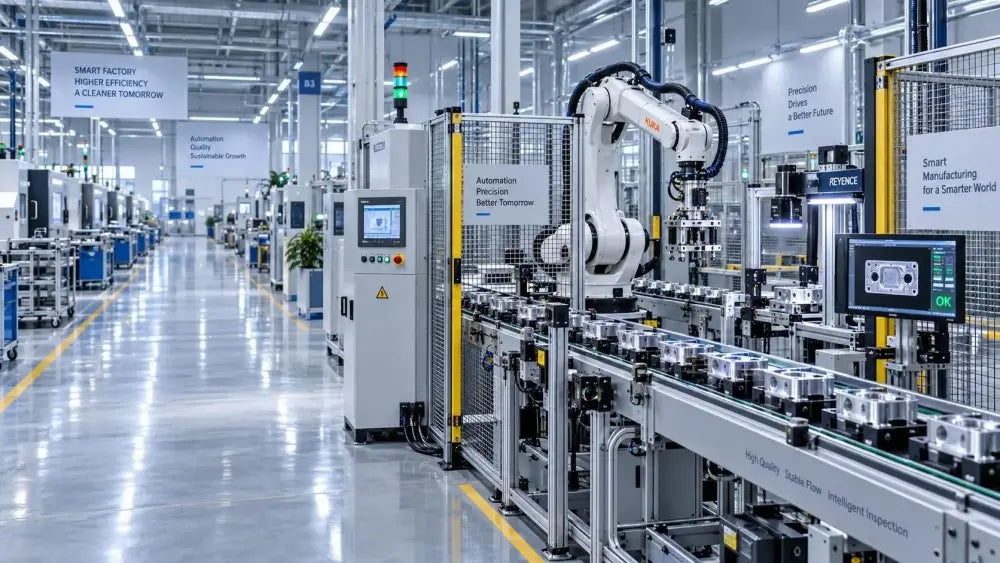
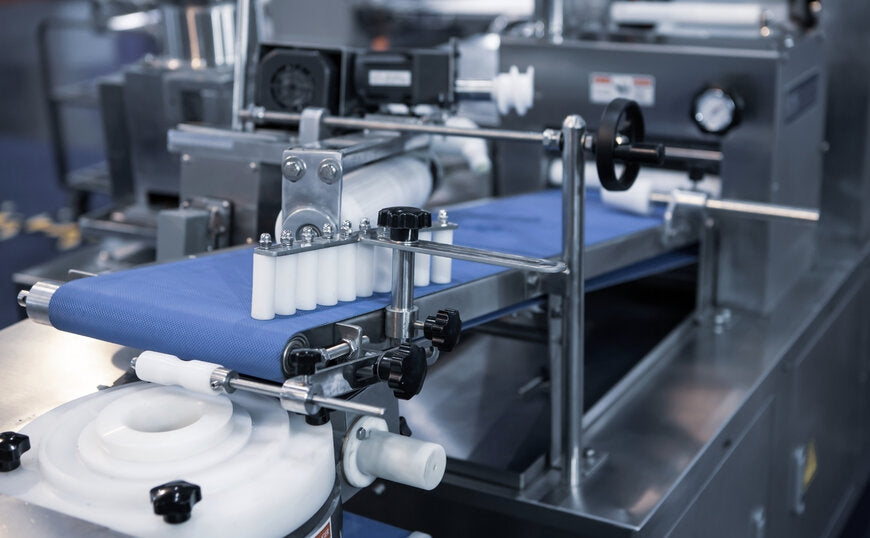
Automated Assembly Lines: PLCs control conveyors, sensors, and actuators.
-
Precision Part Manufacturing: CNC machines produce complex components with high accuracy.
-
Hybrid Systems: PLCs manage process flow, and CNC machines handle machining, achieving integrated factory automation.
- Posted in:
- CNC machine control
- DCS systems
- factory automation
- PLC programming
- PLC vs CNC
- precision machining
- process automation