Tech & Buying Guide
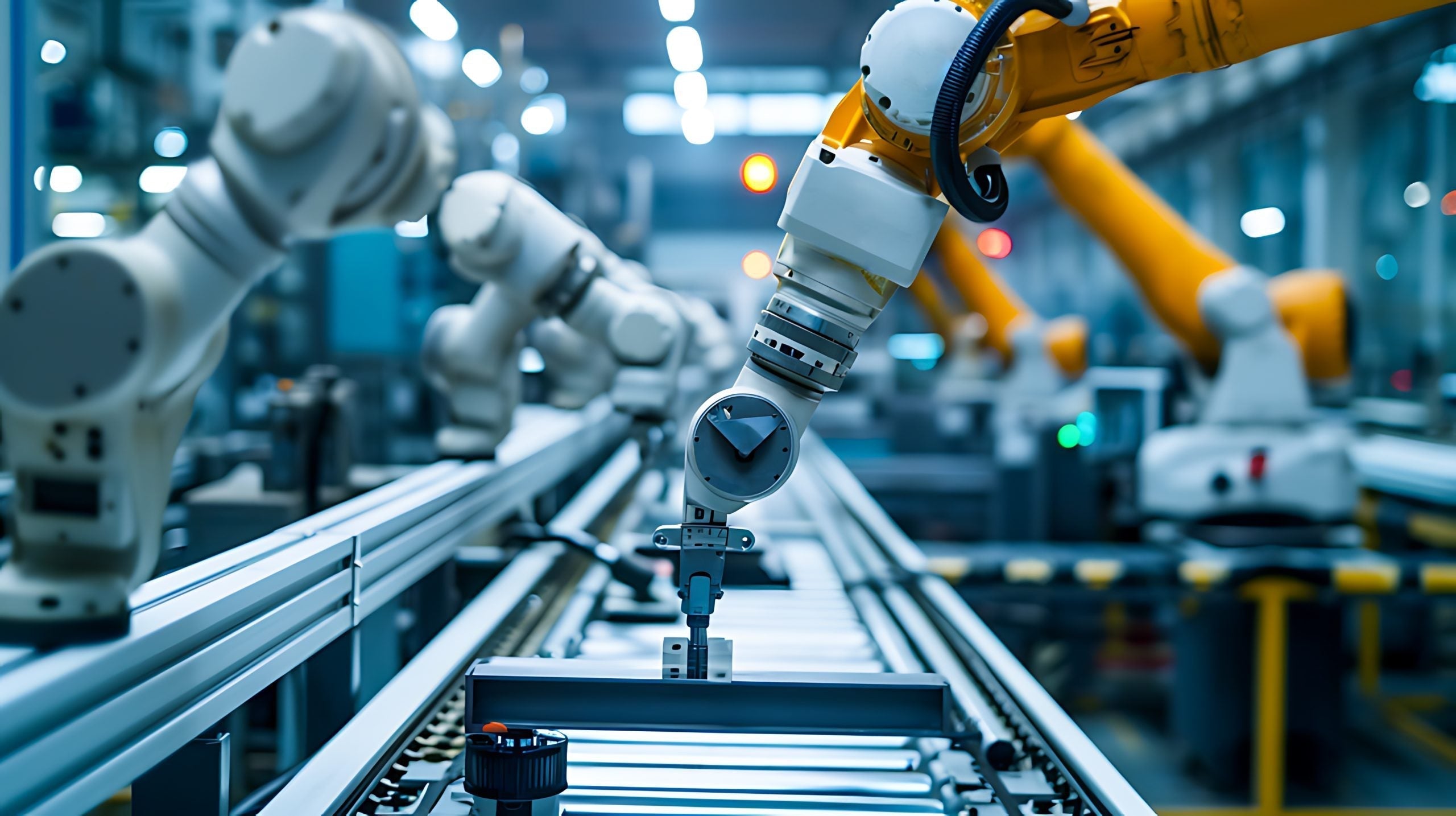
Essential PLC Maintenance Checkpoints for Reliable Industrial Automation
- 〡 by WUPAMBO
Maintaining Programmable Logic Controllers (PLCs) is crucial for the reliability and longevity of industrial automation. A structured maintenance schedule prevents failures, minimizes downtime, and ensures smooth factory automation. This guide covers key PLC maintenance checkpoints and best practices based on real-world experience.
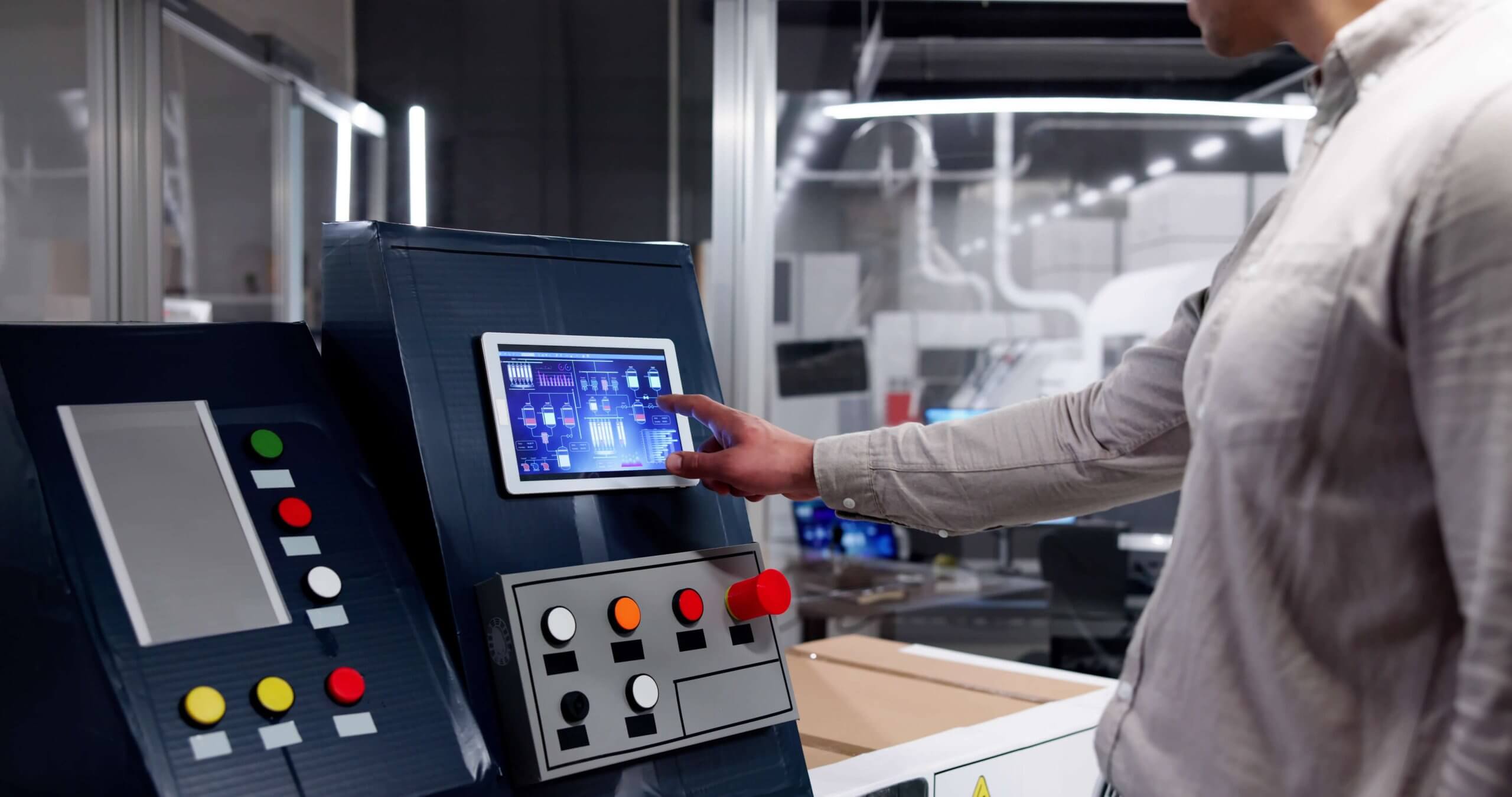
What Is a Human Machine Interface (HMI) in Industrial Automation?
- 〡 by WUPAMBO
In modern automation, operators must interact seamlessly with PLCs, DCS, and SCADA systems. The Human Machine Interface (HMI) acts as the bridge between people and processes, converting raw control data into clear visual information. HMIs enable monitoring, supervision, and efficient decision-making in complex industrial environments.
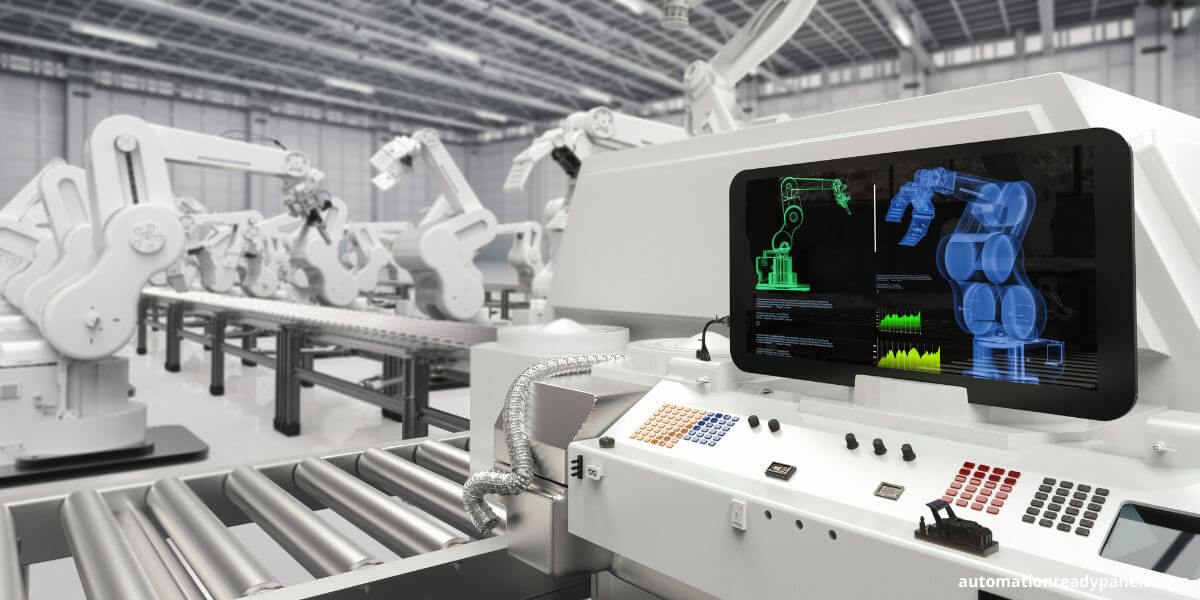
Setpoints and Alarms in Control Systems: Principles, Accuracy, and Best Practices
- 〡 by WUPAMBO
In industrial automation and process control, setpoints and alarms ensure safety and efficiency by triggering corrective actions or warnings. Proper configuration with accurate margins prevents process deviations and supports reliable control system performance.

PLC Analog I/O Potential Problems – Troubleshooting and Solutions
- 〡 by WUPAMBO
Analog I/O channels in programmable logic controllers (PLCs) are vital to industrial automation, managing continuous signals like temperature, pressure, and speed. When faults occur, they can disrupt operations. This article outlines common PLC analog I/O issues, their causes, and effective troubleshooting methods.

How to Troubleshoot a PLC System: A Step-by-Step Guide for Industrial Automation
- 〡 by WUPAMBO
Programmable Logic Controllers (PLCs) form the backbone of industrial automation systems. When a fault occurs, production can stop instantly, leading to costly downtime. This guide explains a structured approach to troubleshooting a PLC or DCS (Distributed Control System), helping engineers identify and resolve problems efficiently.
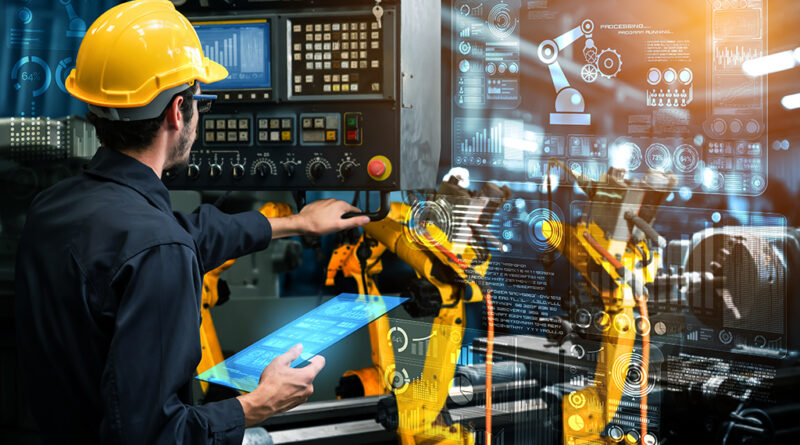
Site Commissioning Steps for PLC Programmers: A Complete Industrial Automation Guide
- 〡 by WUPAMBO
Commissioning a PLC control system is one of the most critical phases in any industrial automation project. It transforms design and programming into a fully functional, reliable system on site. For new PLC programmers, understanding each commissioning step ensures smooth integration, reduced downtime, and successful handover to the client.