Navigating Industrial Automation Failures: Types, Causes, and Mitigation Strategies
- 〡
- 〡 by WUPAMBO
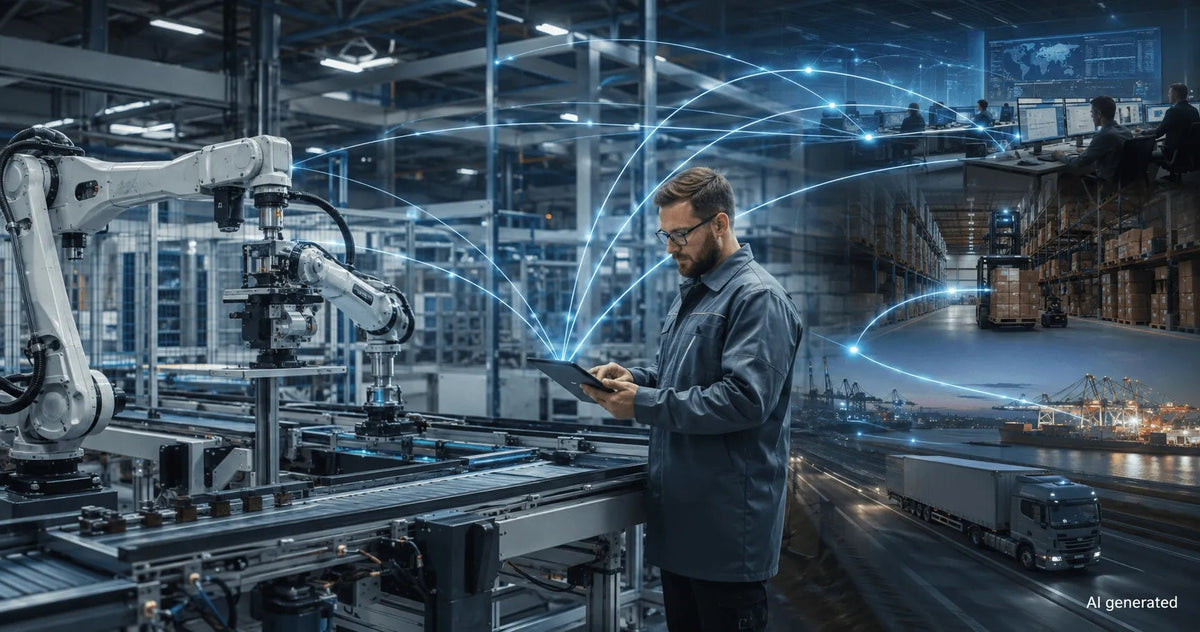
Modern manufacturing relies heavily on automated control systems to maximize throughput and maintain product quality. However, unplanned downtime in industrial automation can cost facility operators thousands of dollars per hour. Understanding how programmable logic controllers (PLCs), distributed control systems (DCS), and field instrumentation fail empowers engineering teams to implement robust preventive maintenance strategies.
Mitigating Human Errors in Control Room Operations
Human error remains a primary driver of operational disruptions in factory automation environments. Operators routinely monitor complex human-machine interfaces (HMIs), interpret supervisory control and data acquisition (SCADA) alarms, and adjust process parameters. Consequently, fatigue, high cognitive loads, and unintuitive graphic displays frequently cause missteps during critical plant events.
Modern plants adopt ISA-101 design standards to reduce visual noise and improve operator reaction times. Industrial engineers must supplement training with clear, mandatory standard operating procedures (SOPs). As a result, operators can execute routine tasks and emergency shutdowns without relying on guesswork.
Preventing Software Bugs and Logic Errors in PLC Programming
Programming oversights often lie dormant in control logic until specific operational boundary conditions occur. For example, an unhandled integer overflow in a counter can lock an automated conveyor sequence permanently. In addition, missing error routines for math division by zero will fault a CPU controller immediately.
About the Author
Chen Ming is a Senior Automation Specialist with over 15 years of experience in PLC programming, DCS commissioning, and industrial safety system design. He has successfully delivered large-scale automation projects across petrochemical plants, power generation facilities, and advanced manufacturing sites worldwide. Chen Ming regularly consults on control system cybersecurity, fieldbus diagnostics, and high-reliability automation architectures for industrial enterprises.
Automation teams must enforce strict code review protocols and standard function blocks during software development. Simulation software like digital twins allows developers to stress-test control algorithms prior to site acceptance testing (SAT). Therefore, structured programming techniques ensure long-term stability across variable production cycles.
Protecting Industrial Hardware from Harsh Operating Environments
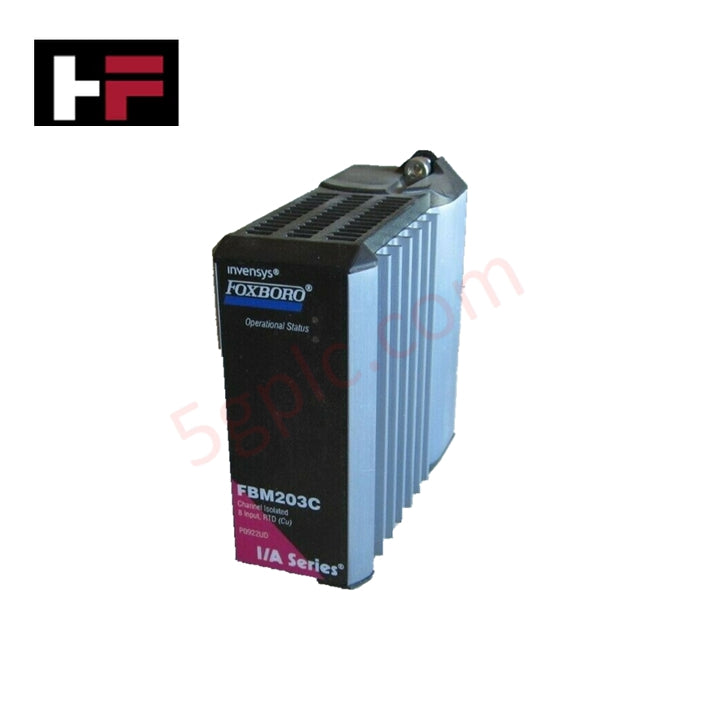
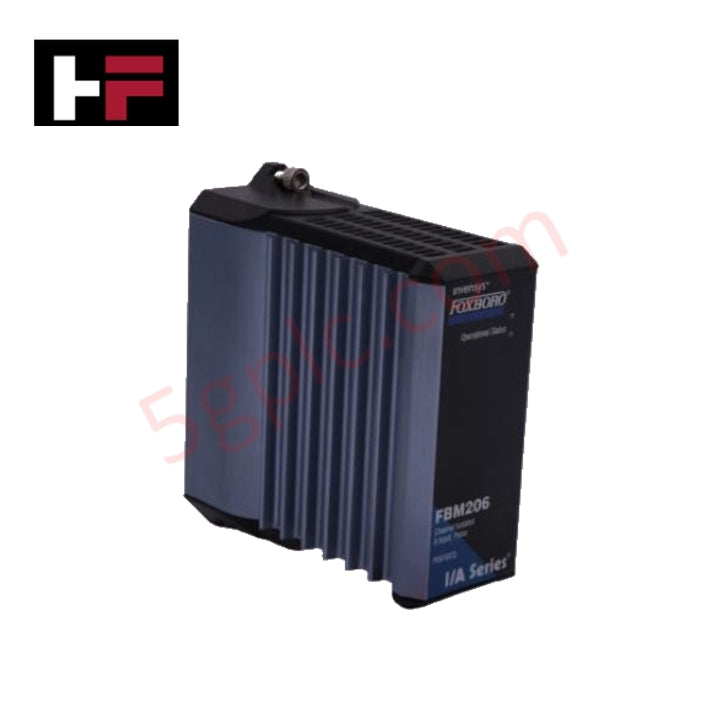
Control hardware like PLCs, variable frequency drives (VFDs), and remote I/O modules face severe physical stress. Exposure to extreme ambient temperatures, industrial vibration, and corrosive gases accelerates electronic component degradation. Moreover, poor grounding practices create electrical noise that damages delicate power supply cards.
Engineers mitigate hardware vulnerabilities by specifying conformal coatings and industrial-grade enclosures with climate control. Installing transient surge protectors prevents voltage spikes from destroying sensitive microprocessors. As a result, robust cabinet hardware safeguards capital equipment investments.
Securing Industrial Communications Against Network Failures
Industrial IoT platforms rely on industrial Ethernet protocols like PROFINET, EtherNet/IP, and Modbus TCP to exchange field data. Consequently, damaged physical cables, unmanaged switch bottlenecks, and electromagnetic interference (EMI) cause severe packet loss. Furthermore, expanding network connectivity exposes DCS and PLC architectures to cyber threats.
Plant engineers must segment industrial networks using firewalls and defense-in-depth security frameworks aligned with ISA/IEC 62443. Redundant ring topologies ensure that data flows seamlessly even when a single fiber link snaps. Moreover, scheduled network health audits identify bandwidth bottlenecks before communication timeouts halt production.
Maintaining Field Instrumentation and Sensor Accuracy
Field devices such as control valves, pressure transmitters, and electromagnetic flowmeters directly interact with industrial processes. Environmental fouling, mechanical wear, and calibration drift gradually degrade sensor precision over time. When a field transmitter sends invalid process variables, control loops react improperly and jeopardize product safety.
Implementing HART or IO-Link digital communication interfaces enables real-time diagnostic reporting from field instruments. Maintenance teams utilize predictive maintenance platforms to detect instrument drift before a complete failure occurs. Therefore, automated instrument validation reduces unexpected process shutdowns significantly.
Preventing Power and Thermal Issues in PLC Enclosures
Central control panels house key electrical distribution equipment, safety relays, and industrial controllers. Inadequate enclosure ventilation causes thermal buildup that drastically reduces the lifespan of power supplies. Furthermore, loose terminal block connections induce high resistance, creating localized hotspots and potential fire hazards.
Automation technicians conduct routine thermographic inspections to identify overheating control components early. Sizing control panel air conditioners properly keeps internal enclosure temperatures within manufacturer specifications. In addition, maintaining strict wiring documentation simplifies troubleshooting during emergency maintenance outages.
Managing Equipment Aging and Lifecycle Upgrades
All electronic and mechanical assets undergo performance degradation as they approach the end of their operational lifecycle. Obsolete PLC platforms suffer from scarce replacement parts and lack vendor security patches. Consequently, running legacy control systems increases long-term operational risk.
Industrial enterprises manage lifecycle risks by establishing clear migration roadmaps for aging control hardware. Maintaining a organized critical spare parts inventory minimizes downtime when an old module eventually fails. Therefore, proactive modernization planning guarantees continuous operational availability.
Resolving HMI and Graphics Display Degradation
Industrial HMI touchscreens suffer physical wear from constant operator interactions and harsh factory environments. Touchscreen membranes lose responsiveness over time, while backlights dim or flicker after years of continuous operation. As a result, operators struggle to adjust process setpoints or acknowledge active system alarms.
Selecting capacitive industrial displays with toughened glass improves mechanical durability in challenging environments. System integrators should configure backup web-based HMI clients to maintain supervisory control during hardware failures. Therefore, dual-display setups ensure continuous visualization across critical production lines.
Industry Application Scenario: Chemical Processing Facility
A automated chemical processing plant illustrates how proactive failure mitigation protects operations:
- Environmental Protection: The facility installs stainless-steel NEMA 4X enclosures with closed-loop air conditioners to shield PLCs from corrosive chemical vapors.
- Network Resilience: Engineers implement an EtherCAT Media Redundancy Protocol (MRP) ring, allowing real-time fieldbus traffic to survive an accidental cable sever.
- Software Safeguards: Programmers incorporate range-checking blocks in the controller code, preventing out-of-bound sensor values from crashing the batch reaction algorithm.
- Predictive Maintenance: Plant technicians monitor smart pressure transmitter diagnostics via HART protocol to replace fouled diaphragms before batch quality drops.
- Operator Ergonomics: The control room deploys ISA-101 high-performance HMI displays, enabling operators to identify process anomalies within three seconds.
- Posted in:
- Control System Maintenance
- Field Instrumentation
- HMI Systems
- Industrial Automation
- Industrial Networks
- PLC Failures