Key Factors in Choosing the Right PLC Programming Software for Industrial Automation
- 〡
- 〡 by WUPAMBO

Selecting the right PLC programming software is critical for optimizing your industrial control systems. The choice impacts not only the hardware performance but also programming efficiency, commissioning speed, and long-term maintenance. In this article, we explore the main factors influencing the selection of PLC software and provide practical insights for engineers and automation professionals.
Programming Language Flexibility in PLC Software
The programming language supported by a PLC software significantly affects usability. Basic PLCs often rely solely on ladder logic, which can become cumbersome for complex systems with numerous inputs and outputs. For larger control systems, software offering multiple languages—such as structured text, function block diagrams, and ladder logic—provides greater flexibility. Moreover, multi-language support allows CPUs to execute programs more efficiently, improving overall system performance.
Author Insight: In industrial automation, using structured text for complex logic can reduce debugging time and simplify integration with DCS systems.
Importance of Simulation Features
Simulation capability is a vital feature when testing a PLC for the first time. It allows engineers to verify program logic offline, without connecting to physical hardware. This feature proves especially valuable during large-scale project commissioning, as it reduces downtime and prevents potential production interruptions.
Practical Tip: For factories implementing new automation lines, simulation reduces risk and accelerates commissioning, ensuring safer and faster deployment.
Online Editing and Real-Time Adjustments
Industrial control projects often require real-time adjustments. PLC software that supports online editing allows programmers to modify logic without stopping production. Without this feature, each code update forces a full system reset, potentially causing costly downtime.
Author Insight: For critical manufacturing processes, online editing can prevent production losses and ensure continuous system reliability.
Efficient Tag Management and Find-and-Replace
In large automation projects, managing hundreds or thousands of tags can be challenging. Modern PLC software provides find-and-replace functions, enabling rapid updates to tag names across multiple programs. This functionality saves significant development time and reduces errors compared to manual updates.
Professional Note: Efficient tag management is essential in complex factory automation setups where multiple teams work on interconnected PLCs.
Custom Libraries and User-Defined Data Types
Advanced PLC software often allows the creation of custom libraries and data types. This feature is highly beneficial for repetitive logic or large datasets. Using software-defined function blocks reduces programming complexity, minimizes memory usage, and simplifies troubleshooting.
Industry Insight: In continuous process industries like chemical or water treatment, reusable function blocks improve reliability and standardize control logic across multiple PLCs.
User-Friendliness and Navigation
A software’s usability directly impacts programming efficiency. Intuitive navigation, quick access to tools, and well-organized menus help engineers save time and avoid errors. Complex or poorly designed software can significantly slow down development and debugging.
Author Opinion: When selecting a PLC platform, prioritize software ergonomics as much as CPU performance; the programmer’s efficiency directly affects project costs.
Licensing, Compatibility, and System Requirements
Software licensing models also influence PLC selection. Some software is free, while others require paid licenses or subscription plans. Large PLC software packages may demand higher RAM and storage, necessitating compatible workstations. Considering these factors early avoids unexpected expenses and technical issues.
Practical Tip: Evaluate workstation specifications alongside software requirements to ensure smooth operation and avoid upgrading mid-project.
Summary and Recommendations
Choosing PLC programming software is as crucial as selecting the PLC hardware itself. Factors such as programming language support, simulation, online editing, tag management, custom libraries, usability, and licensing all affect productivity and system performance. By carefully evaluating these features, automation engineers can select software that streamlines programming, reduces errors, and ensures reliable control system operation.
Application Cases and Industrial Solutions
-
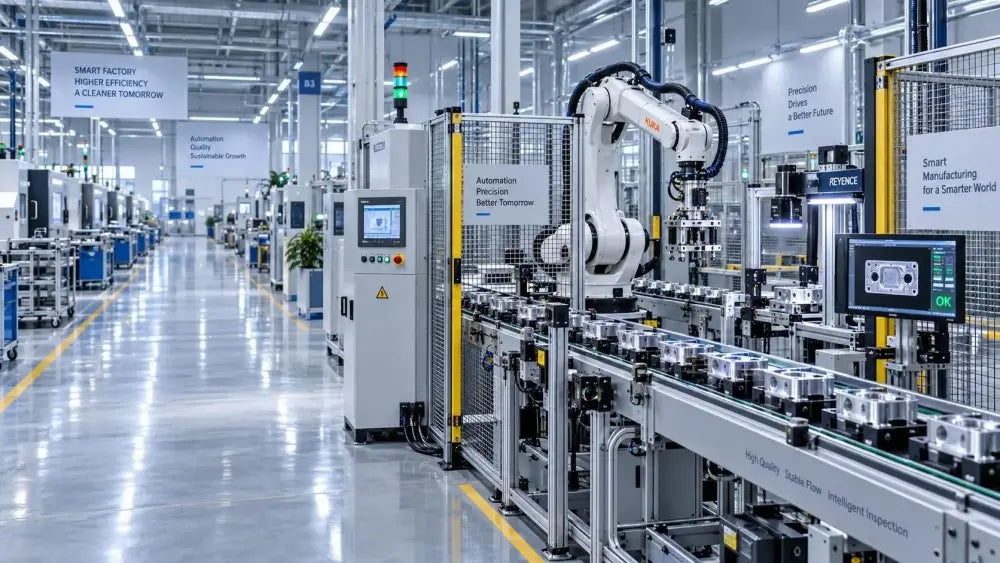
Factory Automation: Using multi-language PLC software to manage complex production lines with hundreds of I/O points.
-
Process Industries: Leveraging simulation and function blocks for chemical plants, reducing commissioning risk.
-
Critical Infrastructure: Online editing in power plants ensures continuous operation while applying software updates.
- Posted in:
- automation engineering
- control systems
- DCS integration
- digital control
- factory automation
- industrial PLC
- online editing
- PLC programming software
- PLC simulation