Essential Guide to PLC and DCS Control System Spares Management
- 〡
- 〡 by WUPAMBO

Effective inventory management of spare parts is the cornerstone of industrial reliability. In the high-stakes world of industrial automation, a missing fuse or a failed I/O module can halt an entire production line. Therefore, engineers must categorize spares based on their specific utility and project lifecycle stage. This guide explores the critical classifications of control system spares to ensure maximum uptime and seamless expansion.
Understanding Consumable and Commissioning Spares
Consumable and commissioning spares represent the first line of defense during system startup. Vendors typically recommend these items to handle the wear and tear of the initial installation phase. Using these parts prevents engineers from dipping into long-term operational stock prematurely. Common examples include fuses, terminal blocks, relays, and printer consumables. Moreover, ordering these alongside the primary hardware ensures that the commissioning team stays on schedule without waiting for minor components.
Maximizing Reliability with Installed Spares
Installed spares reside directly within the control cabinets and provide immediate redundancy. If a single channel on a 16-channel I/O card fails, technicians can quickly reconfigure the logic to an existing spare channel. This strategy eliminates hardware replacement downtime. Furthermore, "wired spares" include pre-terminated field wiring, making them ready for instant activation. In addition to fault tolerance, these components facilitate future system modifications without requiring additional cabinet space.
Strategies for 2-Year Operational and Mandatory Spares
Operational spares are loose inventory items kept in a warehouse to support continuous plant activity. These kits usually range from small relays to expensive processors and servers. Because some specialized DCS modules have long lead times, maintaining a two-year supply is a standard industry best practice. Mandatory spares, often defined by the specific project contract, serve a similar purpose but focus on critical failure points. Consequently, a robust warehouse stock acts as insurance against global supply chain fluctuations.
Technical Requirements for Spare Capacity and I/O Distribution
Standard industrial projects usually mandate a 20% quota for installed and fully functional I/O channels. This requirement applies across all types, including Analog Input (AI), Digital Output (DO), and specialized IS barriers. It is vital to distribute these spares evenly across various systems like DCS, Emergency Shutdown (ESD), and Fire and Gas (F&G) units. Moreover, designers must account for processor loading. Since installed spares are wired, the CPU must have enough "headroom" to handle the additional logic scan time.
Calculating Cabinet Space and Hardware Overhead
Physical space is just as important as electronic capacity in factory automation. Most specifications require at least 20% free space in each cabinet for future hardware mounting. This includes room on DIN rails for additional I/O modules, power supplies, and terminal strips. Similarly, cable ducts and trunking should maintain a 20% vacancy to accommodate future wiring. In my experience, failing to plan for physical expansion often leads to "crowded" cabinets that overheat and complicate maintenance.
Expert Insight: The Value of Configurable I/O Technology
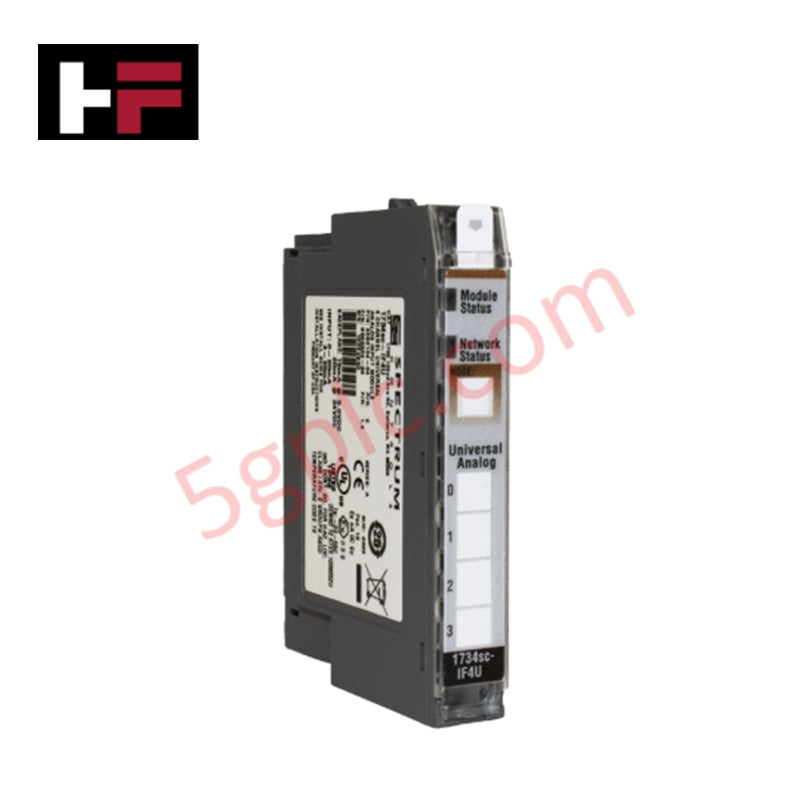
From a technical perspective, the industry is moving toward "Universal I/O" modules. These allow software-defined channel configuration for AI, AO, DI, or DO on a single card. While the initial cost may be higher, they significantly optimize the spare parts ratio. Instead of stocking five different card types, a facility only needs one. Therefore, I recommend evaluating universal I/O for new installations to simplify inventory management and reduce the overall footprint of the control system.
Application Scenario: Offshore Platform Expansion
Consider an offshore oil platform where logistics are difficult and space is at a premium. By implementing 20% installed wired spares and 50% spare storage capacity on servers, the operator can integrate new sensors without a hardware shutdown. If a critical pressure transmitter fails, the technician simply switches the termination to a pre-wired spare channel. As a result, the platform maintains 24/7 production while the failed component is replaced during the next scheduled maintenance window.
About the Author: Lin Haoran
Lin Haoran is a distinguished automation specialist with over 15 years of hands-on experience in PLC and DCS architecture. He has led numerous large-scale projects in the petrochemical and power sectors, focusing on high-availability control logic and TSI power protection. Lin is a frequent contributor to technical forums and is widely respected for his practical approach to system reliability and life-cycle spare parts strategy.
- Posted in:
- control system design
- DCS control systems
- factory automation
- installed spares
- inventory management