Comprehensive Guide to PLC Classification in Industrial Automation
- 〡
- 〡 by WUPAMBO

The Programmable Logic Controller (PLC) remains the backbone of modern factory automation. Selecting the right controller requires a deep understanding of its hardware architecture and functional capacity. Engineers typically classify PLCs based on three primary criteria: physical size, hardware configuration, and power requirements.
Classification by I/O Capacity and Scale
The most common way to categorize a PLC is by its scale, specifically the number of Inputs and Outputs (I/O) it manages. This classification directly influences the memory capacity and processing power of the unit.
-
Nano and Micro PLCs: These compact units typically handle fewer than 32 I/O points. They suit small-scale control systems like packaging machines or simple conveyors.
-
Medium PLCs: These controllers manage several hundred I/O points. They often support basic communication modules for networked automation.
-
Large and Very Large PLCs: Designed for entire plant sections, these units handle thousands of I/O points. They offer high-speed processing and vast memory for complex logic.
Structural Differences: Compact vs. Modular Hardware
The hardware setup defines how the PLC integrates into a control cabinet. Understanding these differences is vital for long-term maintenance and system scalability.
Compact PLCs integrate the CPU, power supply, and I/O into a single, non-removable housing. Manufacturers design these for cost-effectiveness and space-saving. However, they offer limited flexibility. While some allow small expansion modules, the base configuration remains fixed.
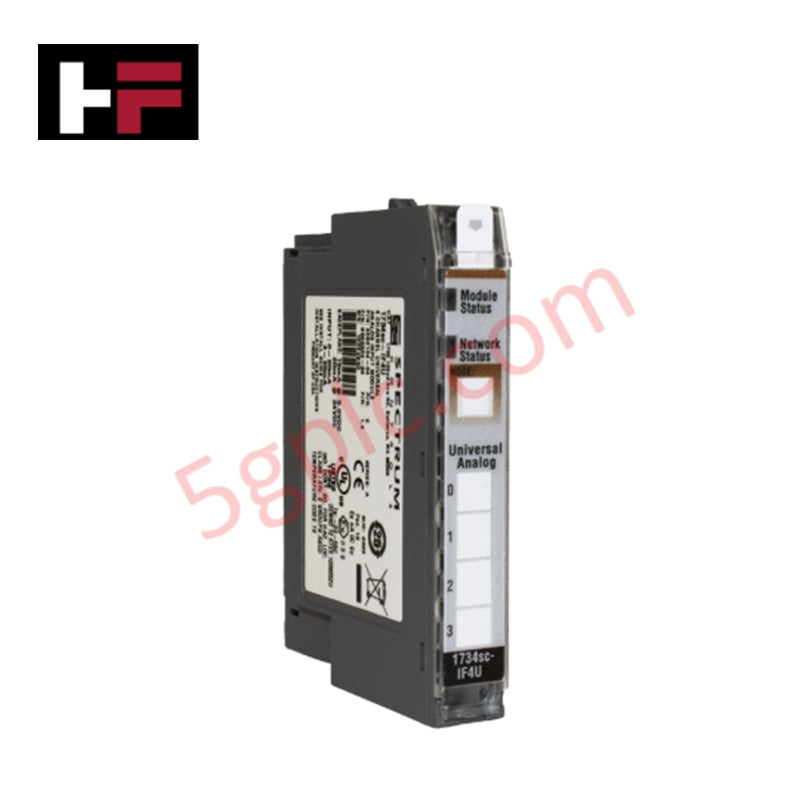
Modular PLCs utilize a backplane or rack system. In this architecture, each component—such as the CPU, Analog I/O, or Communication cards—is an independent module. This "plug-and-play" approach allows engineers to swap faulty cards without replacing the entire system. Moreover, modularity supports redundancy, where a backup CPU takes over automatically if the primary unit fails.
Power Supply Variations and Voltage Requirements
Power management is a critical factor during the electrical design phase. PLCs generally fall into two categories based on their internal power conversion capabilities.
-
Integrated SMPS (AC Powered): Some PLCs connect directly to a 230 VAC supply. These units contain an internal Switched-Mode Power Supply (SMPS) to convert the voltage to the 24 VDC required by internal electronics.
-
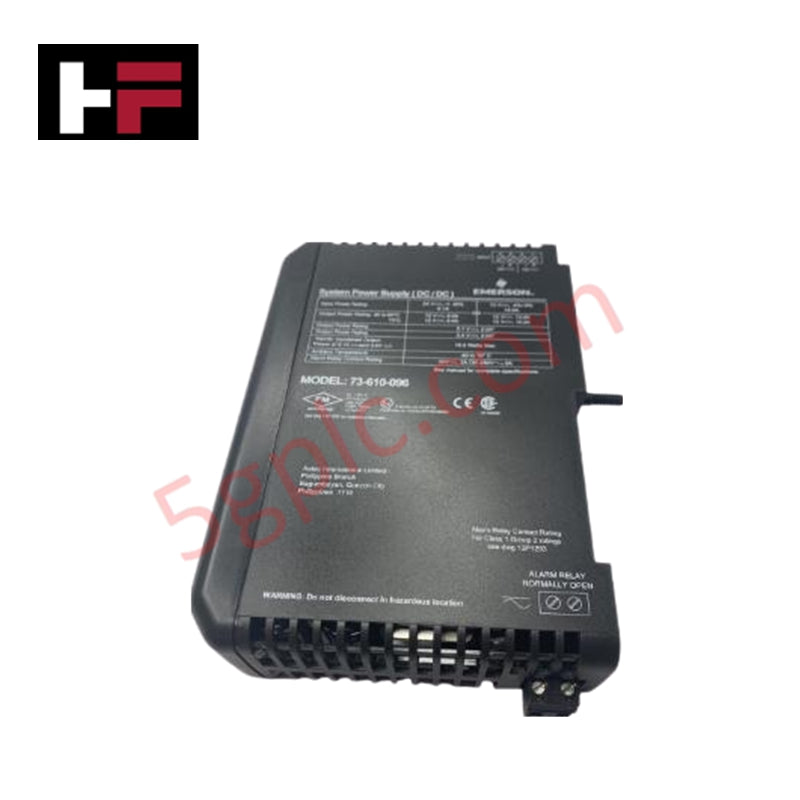
External DC Powered: These controllers require a direct 24 VDC input. Therefore, the control cabinet must include an external industrial SMPS. This setup is common in large industrial automation projects to centralize power distribution and improve heat management.
Expert Insights: Choosing the Right Architecture
In my 15 years of experience with DCS and PLC systems, I have found that modularity is almost always worth the higher initial cost. While a compact PLC saves money upfront, it can lead to significant downtime during a hardware failure. For mission-critical tasks, such as TSI (Turbine Supervisory Instrumentation) or high-speed safety loops, always prioritize modular hardware with redundant power feeds. Furthermore, ensure your power supply sizing accounts for the inrush current of all connected sensors.
Practical Application: Automotive Assembly Line
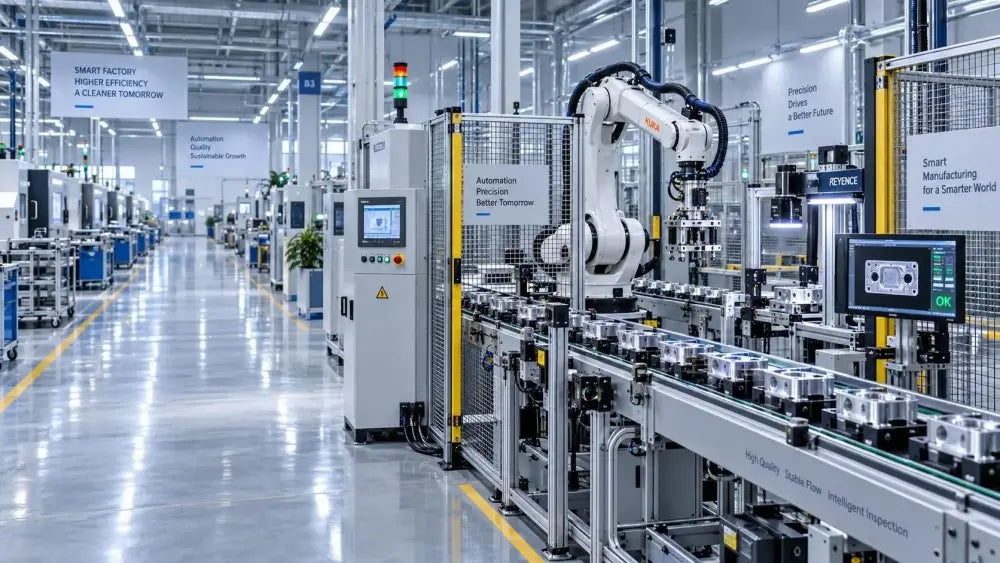
In a high-speed automotive assembly line, engineers typically deploy a Large Modular PLC. The modular rack houses dedicated high-speed counter cards for encoders and industrial Ethernet modules for robot synchronization. A centralized 24 VDC power system ensures stable operation even during voltage fluctuations on the main factory grid. This architecture allows for rapid expansion when adding new workstations to the line.
About the Author
Zhou Haoran is a senior technical expert with over 15 years of experience in the global industrial automation sector. He specializes in the design and optimization of PLC, DCS, and power protection architectures for the manufacturing and energy industries. Haoran is a respected voice in technical documentation, focusing on delivering clear, E-E-A-T compliant insights for B2B engineering audiences.