Batch vs Continuous Processing in Industrial Automation: Architectural Strategies for Control Engineers
- 〡
- 〡 by WUPAMBO
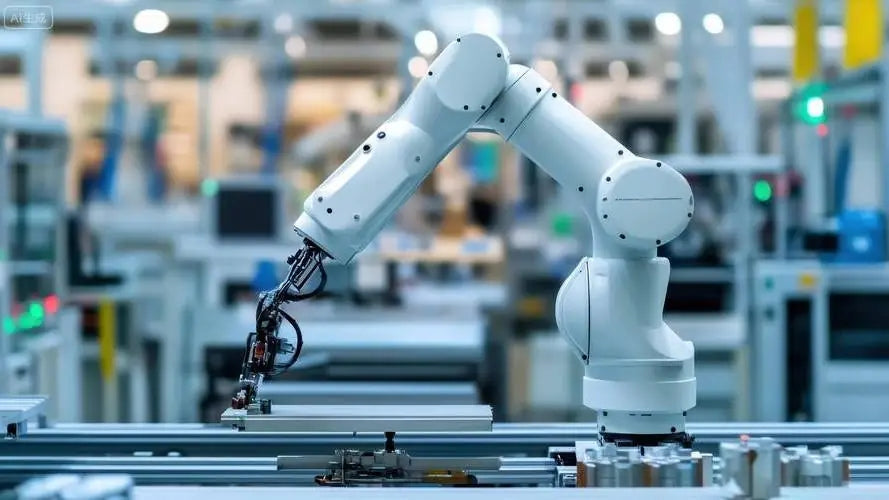
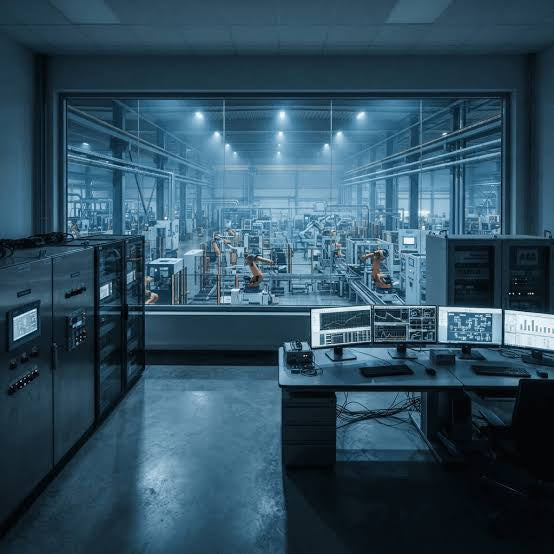
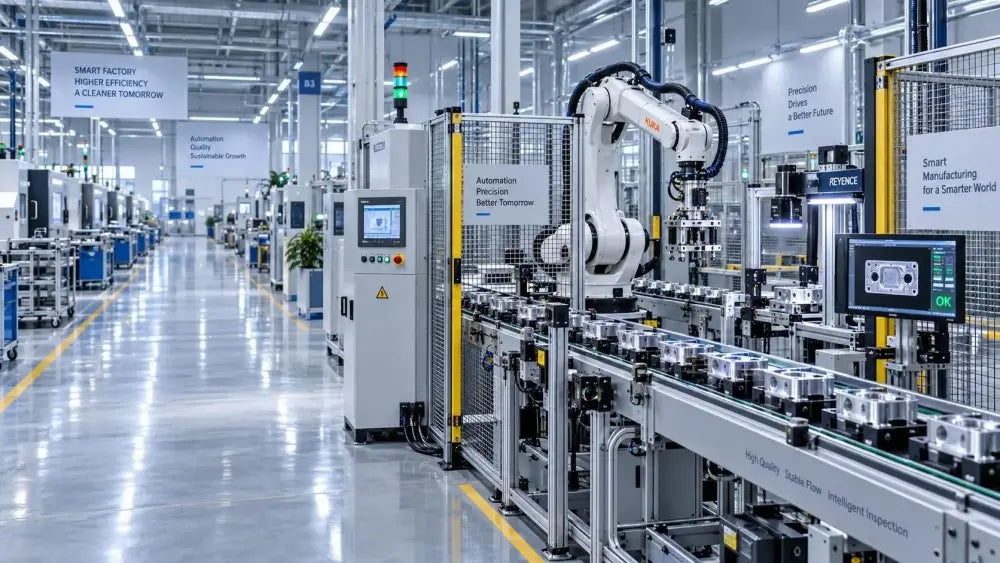
Selecting the proper control architecture remains a pivotal decision when designing industrial automation systems. Automation engineers must evaluate whether a batch or continuous process model best fits their production requirements. This fundamental choice influences PLC and DCS programming, hardware redundancy, sensor selection, and overall factory automation layouts.
Understanding Continuous Process Control Architectures
A continuous process operates uninterrupted 24/7, transforming raw inputs into finished goods without stopping the production line. Material flows steadily through sequential units, maintaining consistent thermodynamic and chemical equilibrium.
For instance, petroleum refineries, power generation plants, and continuous chemical facilities utilize continuous control topologies. In these setups, high-performance DCS platforms execute thousands of continuous PID loops simultaneously. Any unexpected stoppage along the line disrupts upstream units and causes immediate production losses.
Expert Insight: Continuous systems demand high-availability controller redundancy and bumpless transfer logic. A hardware CPU switchover must occur within milliseconds to prevent valve position drift or process trips.
Understanding Batch Process Control Dynamics
A batch process manufactures finite quantities of product using discrete steps in a strict, pre-defined sequence. Operators load raw materials into vessels, execute distinct processing phases, validate quality parameters, and discharge the completed batch.
Batch control architectures align with international standards like ISA-88 (IEC 61512). Platforms managing batch operations execute modular recipes across flexible process cells. Facilities producing pharmaceuticals, specialty chemicals, and craft beverages rely heavily on batch automation to ensure strict traceability.
Furthermore, batch processes allow equipment cleaning, recipe reconfigurations, and preventive maintenance between separate production runs. This flexibility enables plants to manufacture multiple product variants using shared equipment assets.
Strategic Comparison: Batch vs Continuous Control Systems
Evaluating these two paradigms requires analyzing key engineering metrics:
| Operational Metric | Continuous Process Control | Batch Process Control (ISA-88) |
|---|---|---|
| Control Logic Focus | Steady-state PID loop execution and tuning | Sequential function charts (SFC) and recipe management |
| Target Output Volume | High-volume, continuous throughput | Discrete, finite production batches |
| System Flexibility | Fixed single-product processing lines | Highly flexible multi-product manufacturing cells |
| Traceability & Auditing | Continuous trend logging and shift reports | Lot-based electronic batch records (EBR) |
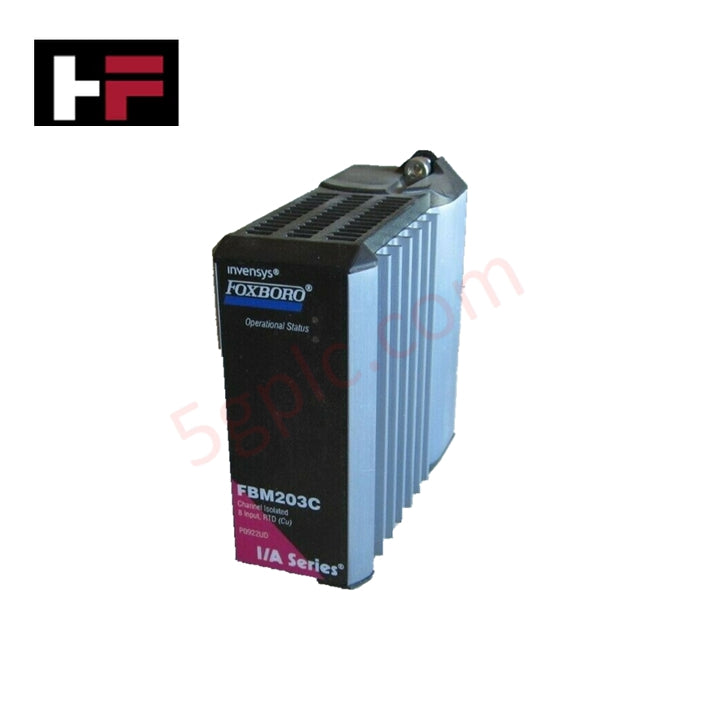
| Primary System Hardware | Distributed Control Systems (DCS) | Programmable Logic Controllers (PLCs) or Batch DCS |
| Maintenance Downtime | Scheduled during major annual turnarounds | Routine servicing during inter-batch cleaning cycles |
Selecting the Optimal Architecture for Factory Automation
Choosing between batch and continuous architectures depends on product variety, market demand, and quality compliance mandates. Continuous processing excels in commodity markets where maximum output volume reduces unit costs.
Conversely, batch processing serves high-value industries requiring precise lot tracking and strict quality verification. Modern hybrid plants often combine both methods to optimize efficiency. For example, a chemical facility may produce bulk intermediate compounds continuously before blending specific finished products in batch reactors.
Real-World Application Scenario: Hybrid Food & Beverage Processing
A commercial food production facility utilizes a hybrid automation strategy to process pasteurized sauces.
Implementation Strategy
- Continuous Phase: Raw milk and oils pass through continuous high-temperature short-time (HTST) pasteurization units controlled by a central DCS.
- Batch Phase: Pasteurized fluids feed into ISA-88 compliant batch mixing tanks where automated PLCs add precise quantities of spices based on active recipes.
Operational Results
The continuous pasteurization stage maintains maximum thermal efficiency and high throughput. Meanwhile, the batch mixing stage guarantees exact flavor consistency and automated lot tracing for regulatory compliance.
About the Original Author
Zhao Lei (赵雷) is a principal automation consultant and control system architect with over 15 years of field experience in process automation. He specializes in designing ISA-88 compliant batch systems, fault-tolerant DCS networks, and hybrid PLC architectures for pharmaceutical, petrochemical, and food processing plants across Asia and Europe.
- Posted in:
- batch vs continuous process
- DCS process control
- factory automation design
- ISA-88 recipe management
- PLC control systems