Interface Philosophy Between DCS and Motor Control Centers in Industrial Automation
- 〡
- 〡 by WUPAMBO

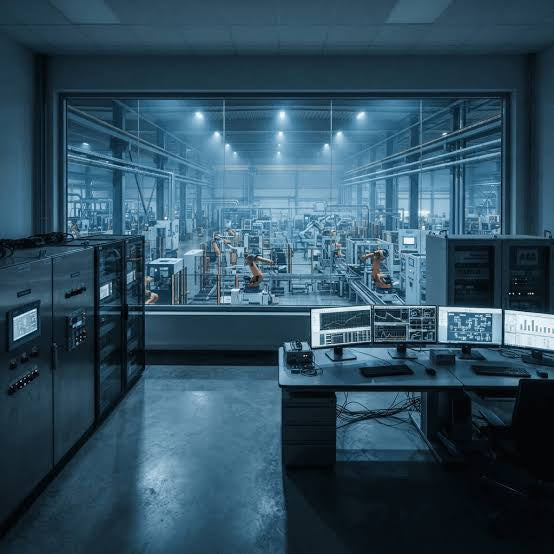
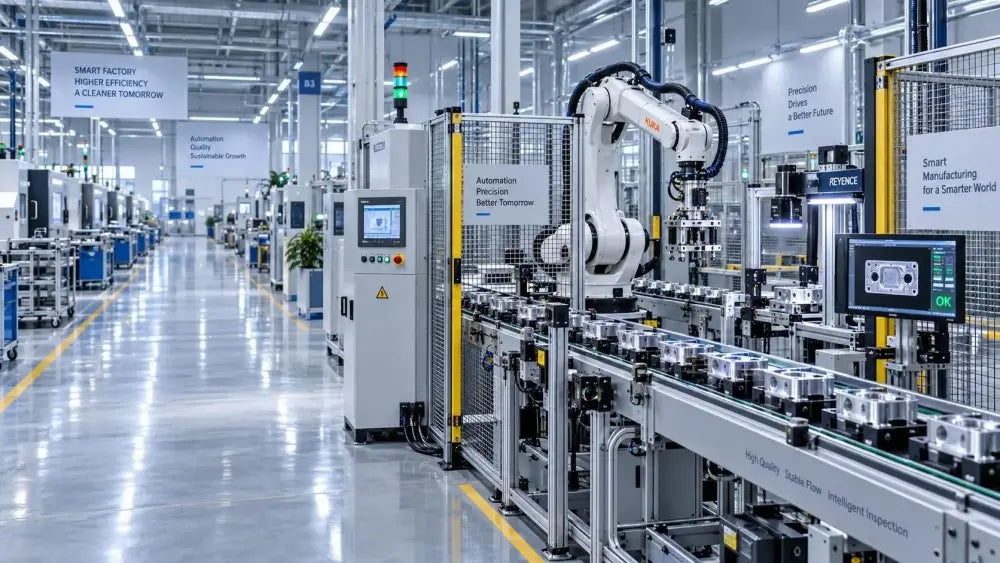
Modern industrial automation relies on seamless communication between process controllers and electrical drive systems. Integrating a Distributed Control System (DCS) with a Motor Control Center (MCC) forms the backbone of plant operations.
This comprehensive technical guide details signal exchange methodologies, hardware isolation protocols, and variable frequency drive (VFD) integration parameters for high-availability process plants.
Core Signal Types in Industrial Motor Control Interfaces
Engineers categorize signal exchanges between the control room and field electrical equipment into discrete and continuous parameters. These connections execute automation logic and protect physical assets.
| Signal Category | Hardware Type | Operational Purpose |
|---|---|---|
| Start / Stop Command | Digital Output (DO) | Initiates motor energization or normal shutdown sequences. |
| Run / Trip Feedback | Digital Input (DI) | Confirms contactor status and alerts operators to thermal overload faults. |
| Current / Power Readout | Analog Input (AI) | Transmits 4-20 mA signals to monitor motor operating load. |
| Speed Reference / Actual | AO / AI (4-20 mA) | Sends setpoints to VFDs and reads back real-time motor RPM. |
| Local / Remote Status | Digital Input (DI) | Indicates whether control resides at the MCC door or HMI level. |
Plant safety design requires clear functional separation for interlocking logic. Non-critical operational interlocks execute within the DCS application software. However, critical safety interlocks must interface directly with the Emergency Shutdown (ESD) system to ensure immediate tripping during process upsets.
Hardwired vs. Intelligent Motor Control Center Architecture
Plant engineers select their interface architecture based on bandwidth requirements, field wiring budgets, and diagnostics depth.
- Traditional Hardwired MCC: Relies on point-to-point copper wiring between MCC starter buckets and DCS I/O cards. It offers extreme reliability and simple troubleshooting but requires extensive cable routing and physical footprint.
- Intelligent MCC (iMCC): Consolidates drive controls onto high-speed Industrial Ethernet protocols such as Modbus TCP, Profinet, or Ethernet/IP. It drastically reduces field wiring while delivering advanced diagnostics like phase imbalance, motor winding temperature, and historical power quality.
While iMCC architectures dominate greenfield facilities, hardwired connections remain the preferred backup for critical trip circuits due to their deterministic hardware nature.
Interposing Relay Panels for Card Protection and Electrical Isolation
Hardwired interfaces between motor feeders and control system cards introduce significant voltage differential risks. Motor control circuits typically operate at 230 VAC or 110 VAC, whereas DCS I/O channels process 24 VDC.
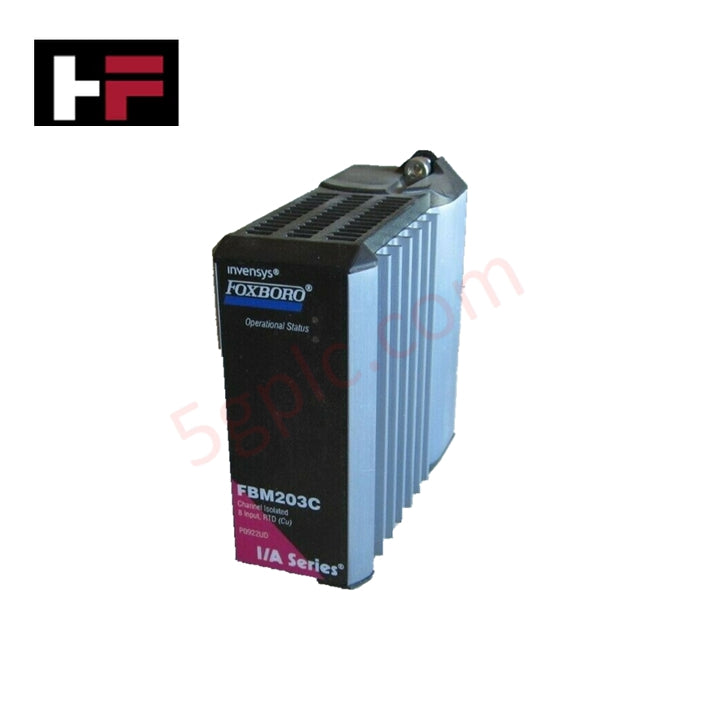
Installing an Interposing Relay Panel (IRP) between the DCS cabinets and the MCC provides vital galvanic isolation. Relays convert 24 VDC digital outputs into voltage-free dry contacts to actuate motor contactor coils safely.
Likewise, auxiliary contacts on motor starters send voltage-free feedback signals back to DCS digital input modules. This physical isolation prevents high-voltage back-feed, protecting delicate electronic cards from field transients.
Variable Frequency Drive Integration and Serial Communications
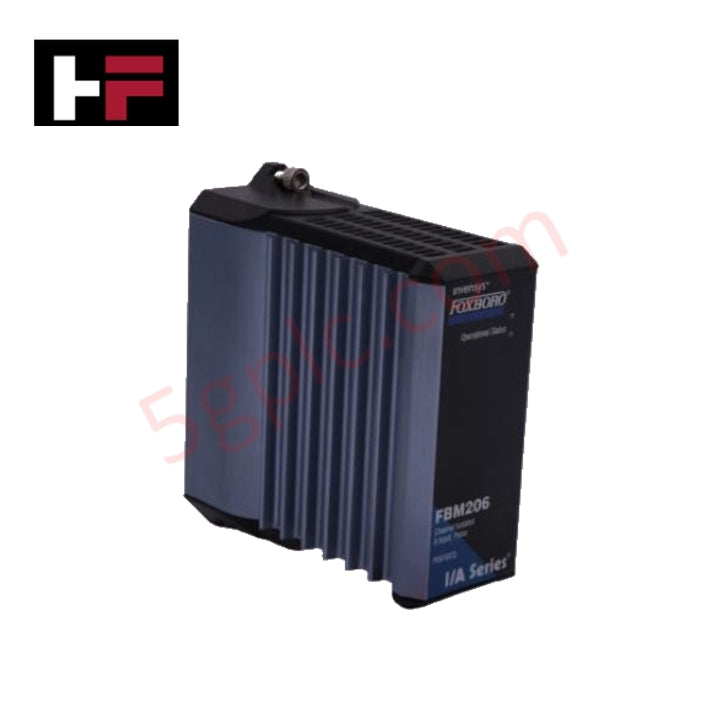
Integrating Variable Frequency Drives (VFDs) into a DCS architecture requires dual-layer communication. Analog 4-20 mA loops manage real-time speed setpoints and actual RPM feedback due to their noise immunity over long cable runs.
Simultaneously, engineers utilize serial RS-485 Modbus RTU or Ethernet-based fieldbus links to gather extended drive parameters. These digital links feed HMI screens with operational diagnostics, including output torque, DC bus voltage, inverter heat sink temperatures, and active drive fault codes.
During system commissioning, technicians perform rigorous individual signal checks and point-to-point loop tests to verify command execution, feedback accuracy, and ESD trip responsiveness before turning on power.
Technical Expert Analysis: Selecting the Optimal Interface Strategy
From fifteen years of field engineering experience, choosing between traditional hardwired connections and digital iMCC networks requires evaluating full lifecycle costs rather than just initial hardware prices.
Standardizing on iMCC networks reduces installation time by up to 40% and lowers cable tray loading significantly. However, relying solely on bus communications for critical trips introduces network latency risks.
A resilient architecture pairs an iMCC Ethernet link for monitoring and continuous control with hardwired dry contacts through an IRP cabinet for critical safety trips.
Application Scenario: Modernizing a Chemical Processing Plant Drive Line
A continuous chemical processing facility retrofitted its legacy motor control system to resolve frequent signal card failures and improve process transparency.
The Challenge: High voltage spikes from 230 VAC motor contactor circuits routinely damaged 24 VDC digital input cards on the main plant controller. Furthermore, operators lacked real-time motor load visibility, leading to unpredicted conveyor overloads.
The Solution: Engineers installed dedicated IRP cabinets fitted with LED-indicated interposing relays for galvanic isolation. They also upgraded the main pump drives to an iMCC infrastructure over a redundant Modbus TCP link, feeding 4-20 mA speed signals directly into the process loops.
The Outcome: The new architecture eliminated controller card burnouts completely. Plant operators gained real-time current trending and motor diagnostic alarms on HMI screens, reducing unscheduled process shutdowns by 18%.
About the Author
Chen Ming is a Senior Industrial Automation Specialist with over 15 years of technical experience engineering DCS, PLC, and Motor Control systems for heavy process industries. He specializes in control room hardware design, fieldbus network integration, and high-voltage isolation architectures for manufacturing facilities throughout Asia.
- Posted in:
- Control Systems Engineering
- DCS MCC Interface
- Industrial Automation
- Intelligent MCC
- Interposing Relay Panel
- Motor Control Center
- VFD DCS Integration