The Shift to Flexible IO Modules in Modern Industrial Automation
- 〡
- 〡 by WUPAMBO
Understanding Conventional IO Modules and Their Limitations
Traditional control systems rely on dedicated Input Output (IO) cards for industrial automation. Each conventional module processes a single signal type, such as Digital Input (DI), Digital Output (DO), Analog Input (AI), or Analog Output (AO). A standard 16-channel card accepts only one specific channel type across all ports. This inflexible hardware design often creates severe engineering bottlenecks during project execution. Engineers frequently must install entirely new cards to accommodate a single extra sensor. Consequently, late design changes increase control cabinet space requirements and drive up project costs.
What Are Flexible Input Output Modules
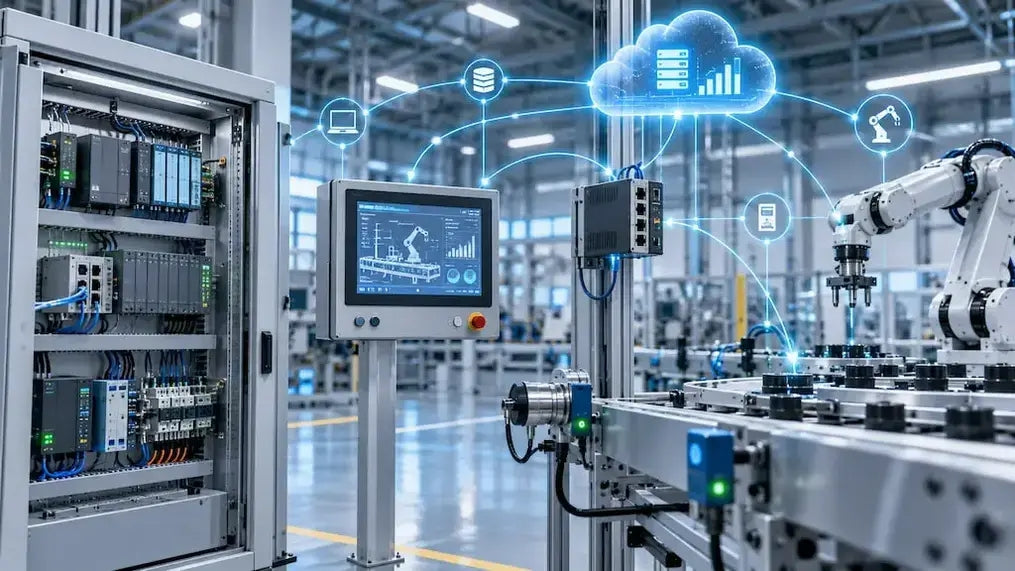
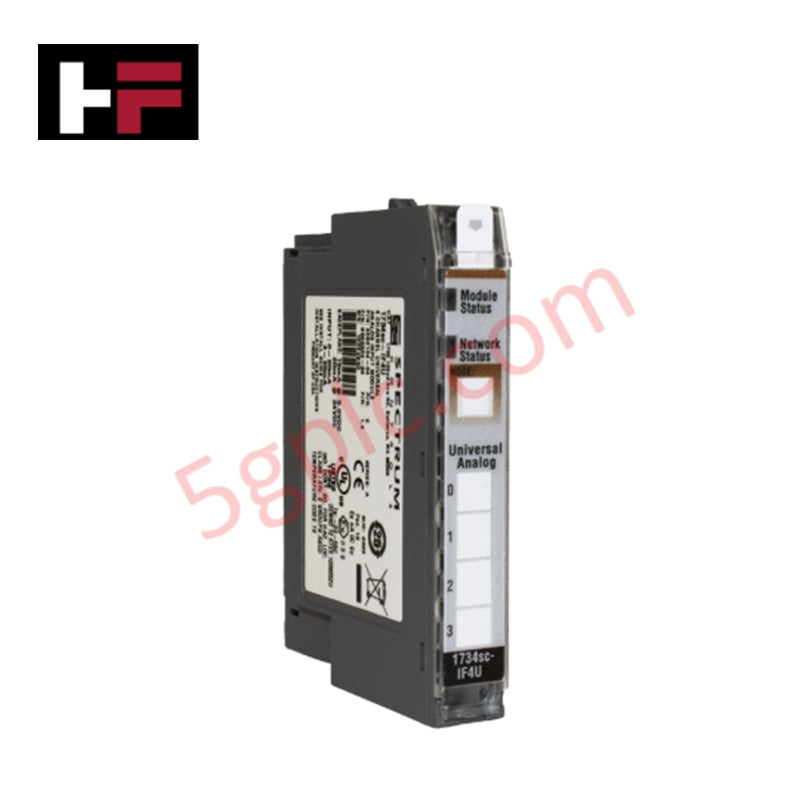
Flexible Input Output Modules (FIOM) represent a major advancement in Distributed Control System (DCS) and Programmable Logic Controller (PLC) architecture. These universal channel cards allow engineers to configure individual channels software-wise or hardware-wise as AI, AO, DI, or DO. Automation teams no longer need to calculate precise counts for each distinct signal type early in the design phase. Designers simply select the total required channel capacity for the cabinet. This universal functionality reduces spare parts inventory while simplifying field wiring and system integration.
Major Automation Vendors and Their Architectural Approaches
Top automation manufacturers offer unique hardware and software implementations for universal channel configuration:
- Honeywell (Universal IO - UIO): Enables pure software configuration without physical module changes.
- Emerson (DeltaV CHARMs): Uses characterization modules to define signal types at the individual terminal block.
- Yokogawa (N-IO): Combines software configurability with baseplate signal adaptors for diverse signal conditioning.
- Rockwell Automation (FLEX 5000 IO): Offers configurable channel options to optimize factory automation architecture.
- ABB (Select I/O): Utilizes single-channel signal conditioning modules to tailor field connections.
While Honeywell delivers pure software-defined channels, vendors like Emerson and Yokogawa use modular hardware adaptors. In my 15 years of engineering experience, hardware-based adaptors like DeltaV CHARMs provide superior electrical isolation between channels. Conversely, pure software-configurable channels eliminate physical module handling entirely during field upgrades.
| Vendor | Product Line | Primary Configuration Method | Channel Isolation Approach |
|---|---|---|---|
| Honeywell | Universal IO (UIO) | Software-only selection | Integrated electronic protection |
| Emerson | DeltaV CHARMs | Hardware characterization module | Individual channel-to-channel isolation |
| Yokogawa | N-IO | Software & hardware adaptors | Baseplate signal conditioning |
| Rockwell | FLEX 5000 IO | Software & modular hardware | Group and channel isolation options |
| ABB | Select I/O | Individual signal conditioning modules | Dedicated channel isolation |
Key Advantages of FIOM in Factory Automation
Adopting flexible IO technology delivers major operational and financial benefits throughout the plant lifecycle:
- Shorter Execution Schedules: Engineers complete cabinet assembly before final instrument indexes are frozen.
- Reduced Spare Parts Inventory: Maintenance teams store one universal card type instead of stocking four separate modules.
- Lower Capital Expenditure: Compact module designs reduce control room cabinet footprint significantly.
- Faster Site Commissioning: Field engineers reconfigure channel types instantly via software during loop testing.
Real-World Application Scenario: Petrochemical Plant Expansion
Consider a brownfield refinery expansion involving late additions of temperature transmitters and valve limit switches. Under traditional DCS design, adding two extra AI signals and one DO signal requires three separate card types. If spare channels are unavailable, engineers must mount new rack space and extend field wiring.
By utilizing flexible IO architecture, the field engineer simply reassigns three spare channels on an existing universal module. The engineer updates the software configuration to accept 4-20mA signals for the transmitters and 24V DC for the valves. This seamless modification avoids hardware procurement delays, preserves cabinet space, and keeps the project on schedule.
About the Author
Zhang Wei is a Senior Industrial Automation Expert with over 15 years of hands-on experience in PLC, DCS, TSI, and power protection systems. He has led large-scale automation projects across the petrochemical, power generation, and manufacturing sectors. Zhang Wei specializes in control system architecture design, fieldbus integration, and modernizing legacy control systems for global industrial facilities.