News
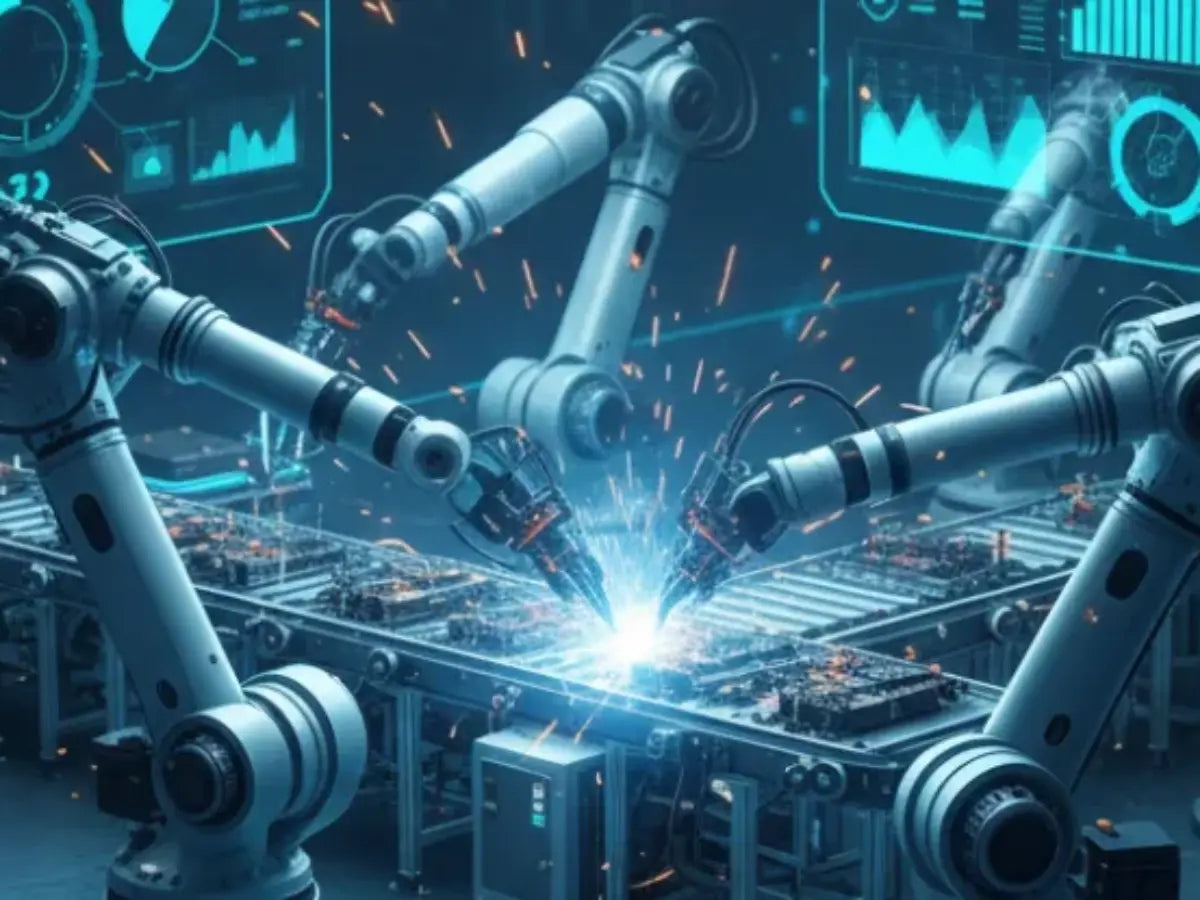
Chinese Technology Accelerates Cambodia's Industrial Automation and Modernization
- 〡 by WUPAMBO

Single Pair Ethernet vs. Traditional Ethernet in Industrial Automation
- 〡 by WUPAMBO
Industrial automation is shifting from traditional 4-pair (8-wire) Ethernet cabling to Single Pair Ethernet (SPE). By delivering high-speed data and DC power over a single twisted pair, SPE simplifies communication between field sensors, PLCs, and DCS platforms across modern factory networks.
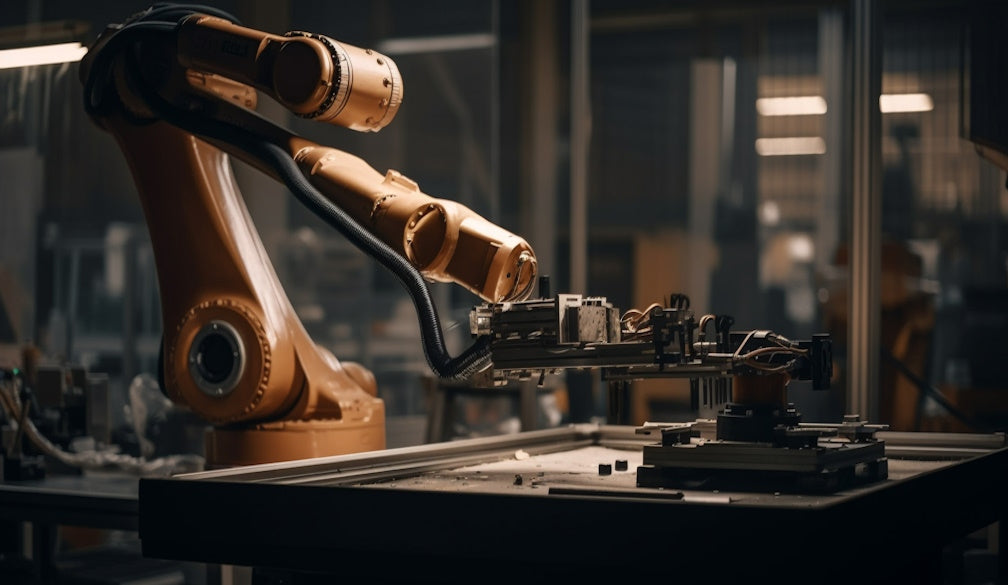
Understanding the Distributed Control System (DCS) in Modern Process Industries
- 〡 by WUPAMBO
The landscape of factory automation and process control relies heavily on efficient control systems. While the Programmable Logic Controller (PLC) remains a staple for discrete machine control, large-scale process plants require a different architectural approach. This article examines the core concept of the Distributed Control System (DCS) and its functional role in complex industrial automation.
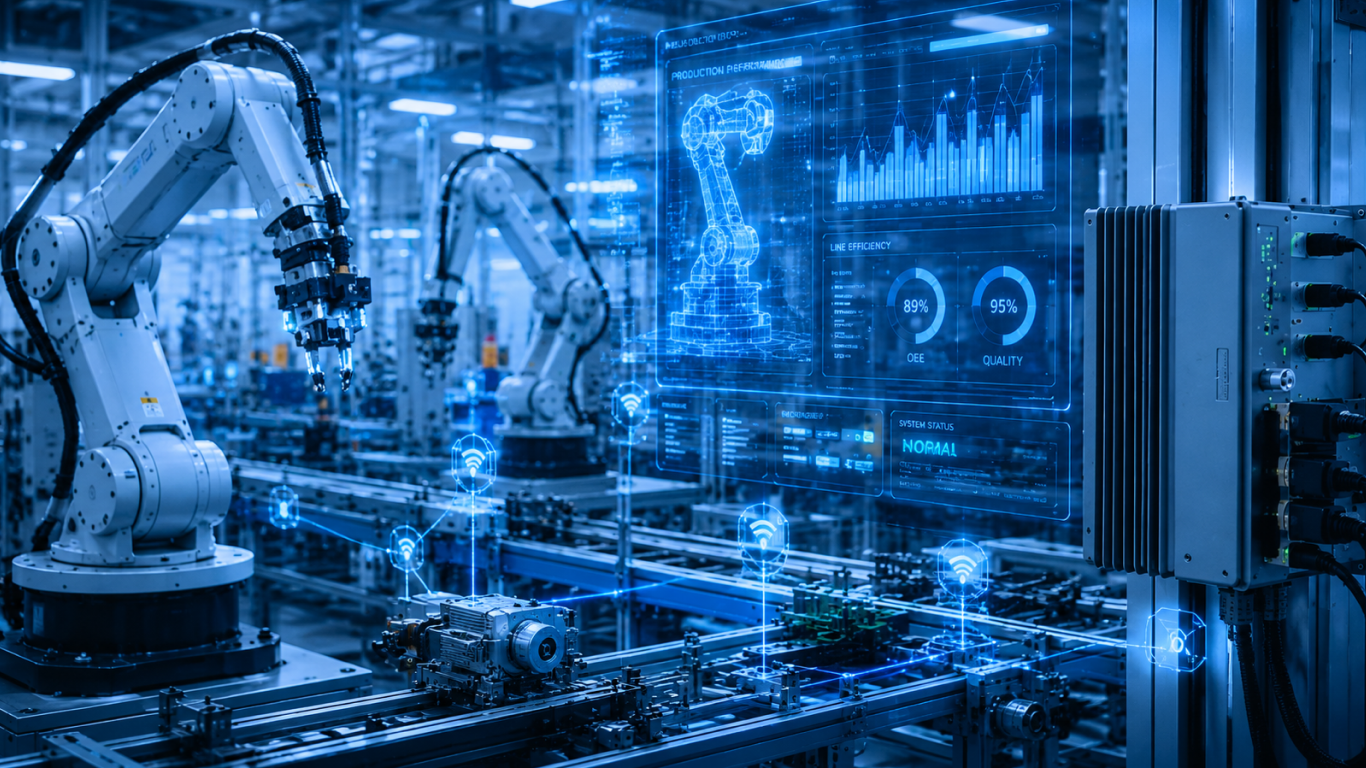
Developing an Advanced Troubleshooting Mindset for Industrial Automation Engineers
- 〡 by WUPAMBO
Industrial automation engineers must master diagnostic skills to maintain plant uptime. Unplanned downtime in complex control systems costs thousands of dollars per minute. Therefore, engineers must identify root causes rapidly without introducing secondary faults.

The Next Frontier of Industrial Automation: How Integrated Ecosystems Redefine Supply Chain Resilience
- 〡 by WUPAMBO
Global manufacturers face a major shift as traditional cost-chasing playbooks hit structural limits. Rising rents, infrastructure bottlenecks, and worker shortages plague emerging hubs. Today, competitive victory belongs to companies leveraging advanced factory automation, integrated control systems, and smart supply chain clusters.
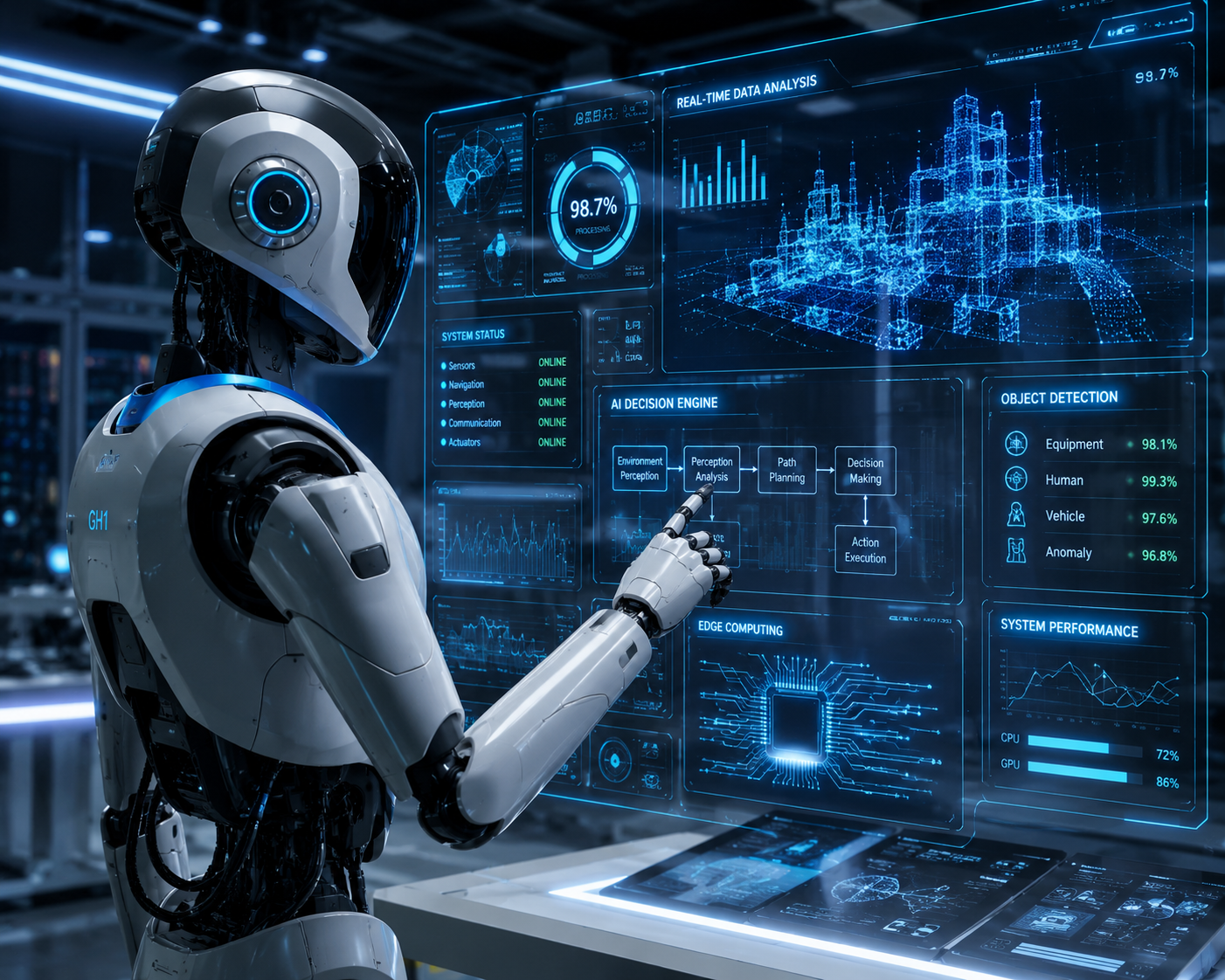
Why 24V DC is the Global Standard in Industrial Automation
- 〡 by WUPAMBO
In modern factory automation, you will find 24V DC power supplies powering the vast majority of instrumentation, control systems, and PLC I/O modules. While high-voltage AC remains necessary for heavy-duty motors and heaters, the low-voltage DC domain dominates the signaling and control landscape. Understanding why this standard exists is crucial for any automation professional.