

Developing an Advanced Troubleshooting Mindset for Industrial Automation Engineers
- 〡
- 〡 by WUPAMBO
Industrial automation engineers must master diagnostic skills to maintain plant uptime. Unplanned downtime in complex control systems costs thousands of dollars per minute. Therefore, engineers must identify root causes rapidly without introducing secondary faults.
The Critical Nature of Diagnostics in Factory Automation
Time is the most critical variable during an industrial control system failure. A master troubleshooter balances speed with structural safety. Hurried actions often worsen electrical faults or corrupt PLC code. Moreover, engineers must follow systematic procedures to protect expensive hardware assets.
System-Level vs. Component-Level Troubleshooting Methodologies
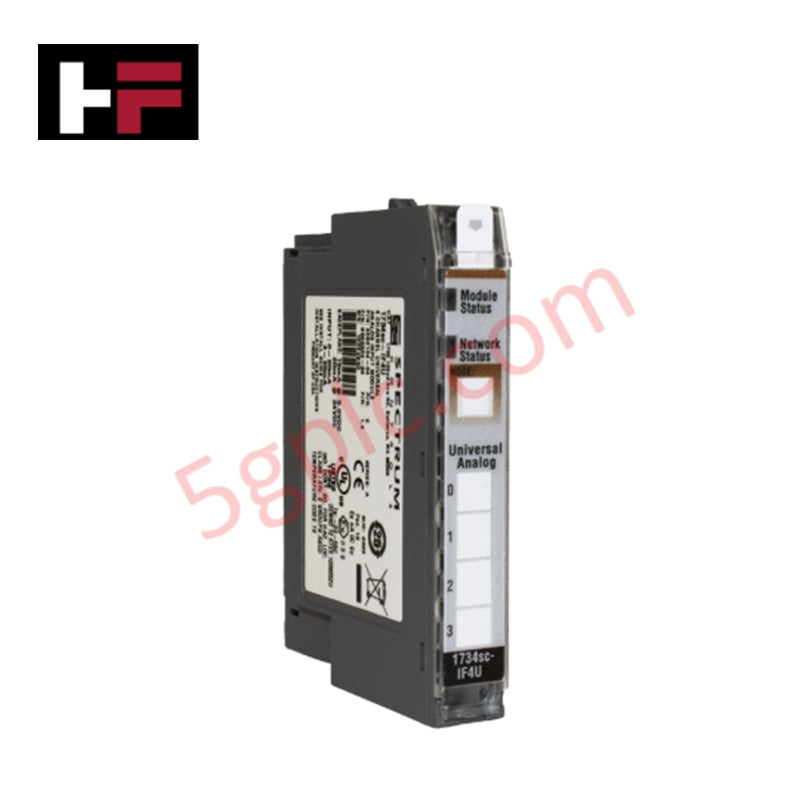
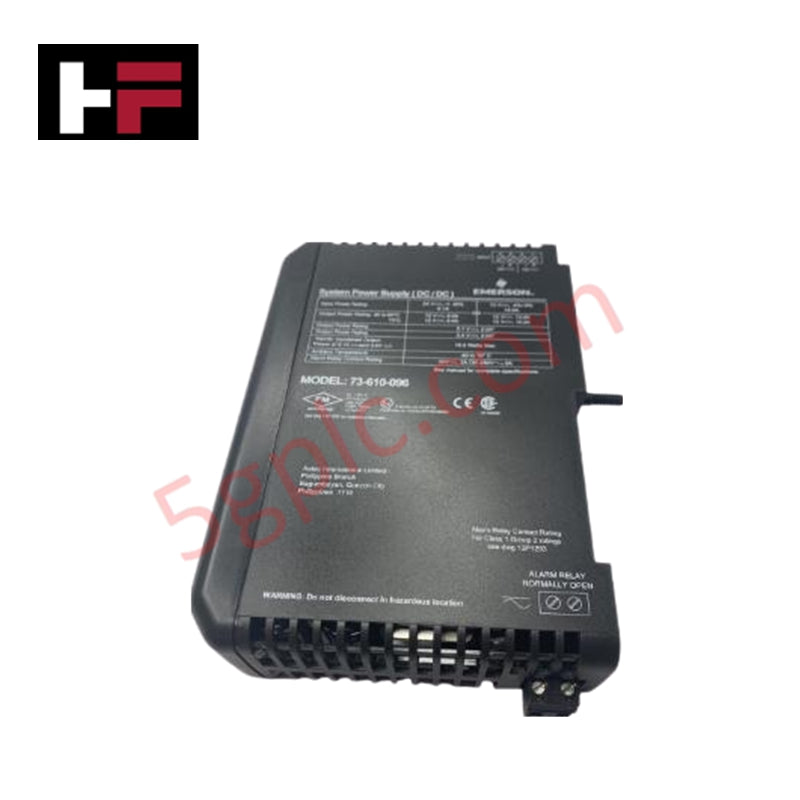
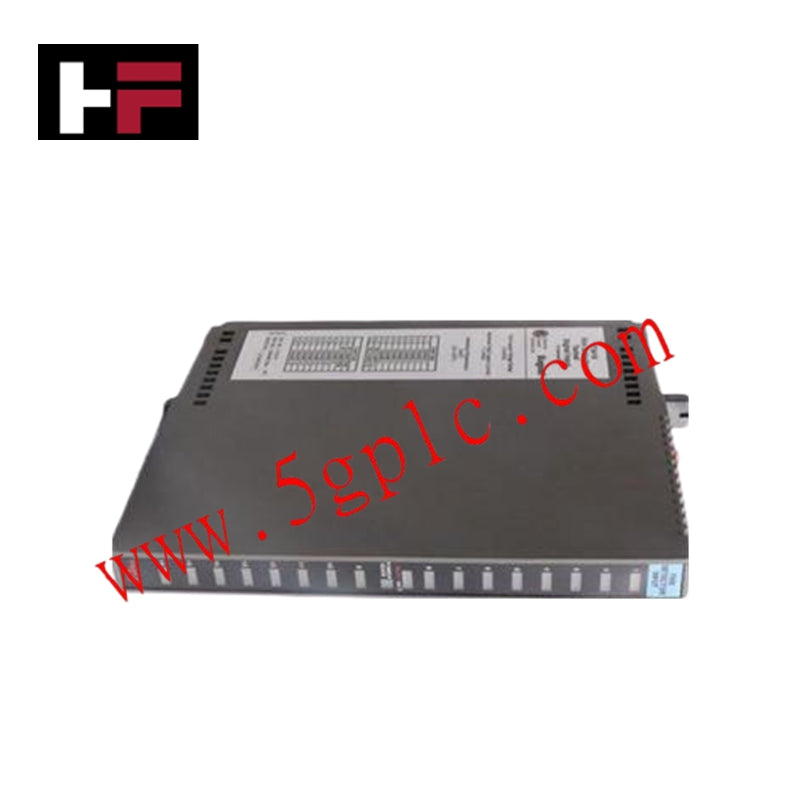
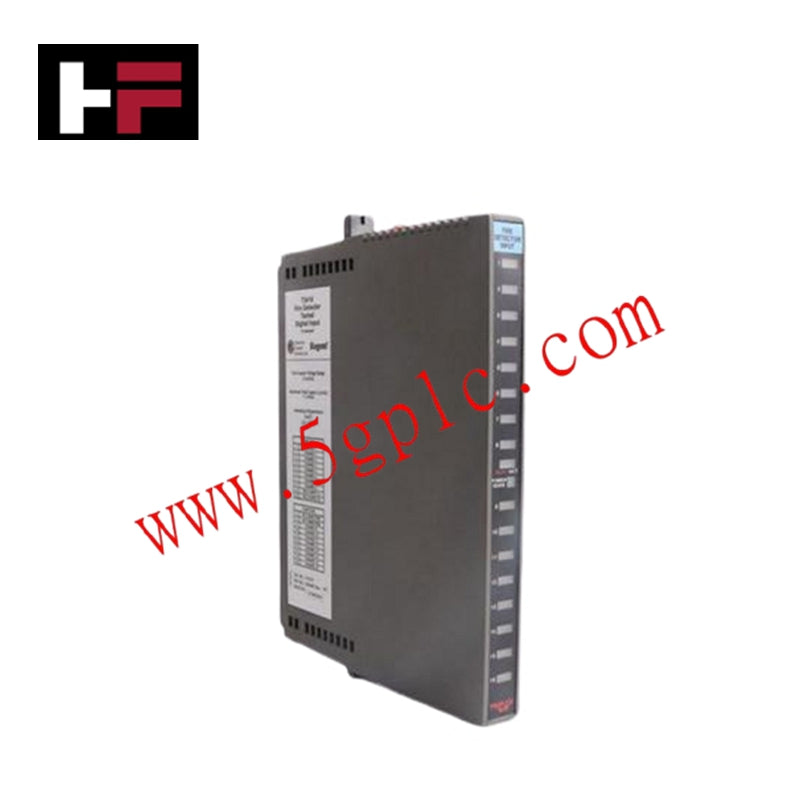
Engineers classify technical diagnostics into two distinct procedural levels. System-level troubleshooting identifies the specific failed module within a larger control architecture. Technicians inspect high-level components such as power supplies, PLC processors, and DCS I/O cards.
Component-level troubleshooting involves repairing the internal electronics of that specific failed module. Technicians test discrete parts like resistors, diodes, and capacitors on a printed circuit board.
The Structured Automation Diagnostic Workflow
To maximize efficiency, field technicians should follow a standardized diagnostic sequence. This structured approach prevents common diagnostic mistakes and shortens recovery time.
1.Identify Component Layout:System Mapping。
Map the control system architecture clearly to locate all connected PLC, DCS, and peripheral field instruments.
2.Execute System-Level Diagnostics:Isolate Faulty Modules。
Analyze HMI alarms and physical wiring to pinpoint the exact failed controller card or field sensor.
3.Perform Component-Level Repair:Bench Testing。
Isolate the damaged circuit board on a test bench to replace faulty capacitors or discrete components.
Expert Insight: Balancing Replacement vs. Board-Level Repair
From my fifteen years in factory automation, I observe a major shift in maintenance strategies. Many modern facilities favor immediate module replacement over board-level repair. This approach minimizes immediate downtime because swapping a PLC card takes minutes.
However, component-level repair offers significant long-term cost benefits for legacy systems. Obsolete cards are often expensive or unavailable from OEMs. Therefore, maintaining basic soldering and electronics skills remains invaluable for modern engineering teams.
Application Case: Resolving a Flame Control Fault in a Water Bath Heater
A natural gas processing facility experienced intermittent safety shutdowns on a critical Water Bath Heater (WBH). The local central SCADA system registered a persistent flame failure alarm. Consequently, the safety interlock shut down the main fuel gas valve automatically.
System-level troubleshooting revealed that the boiler maintained a physical flame during the ignition sequence. However, the flame supervisor card failed to register the sensor signal. Technicians immediately replaced the module to restore plant production.
Later, bench testing revealed component-level degradation inside the faulty controller card. Technicians found dried electrolytic capacitors on the internal printed circuit board. Replacing these minor electronic components fully restored the card at minimal expense.
About the Author: Lin Jianyu
Lin Jianyu is a senior industrial automation expert with fifteen years of global field experience. He specializes in designing DCS networks, programming complex PLC logic, and troubleshooting safety instrumented systems (SIS). Over his career, he has optimized control architectures for multinational petrochemical plants and heavy manufacturing facilities.