The Next Frontier of Industrial Automation: How Integrated Ecosystems Redefine Supply Chain Resilience
- 〡
- 〡 by WUPAMBO
Global manufacturers are facing a major strategic shift. For decades, companies relocated production lines to chase low labor and land costs. Today, this traditional playbook is hitting its structural limits. Emerging manufacturing hubs face rising factory rents, infrastructure bottlenecks, and severe shortages of skilled technical workers.
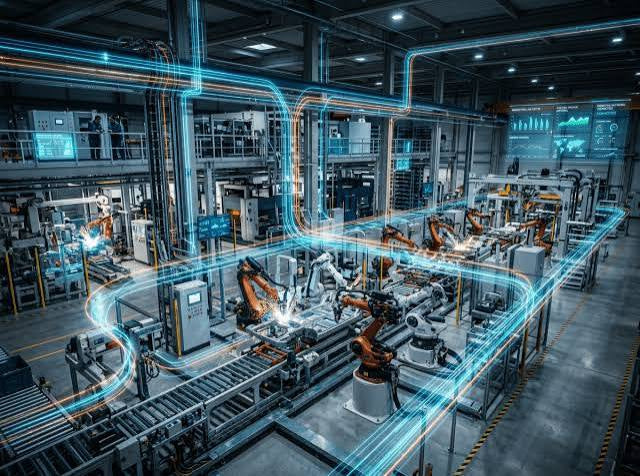
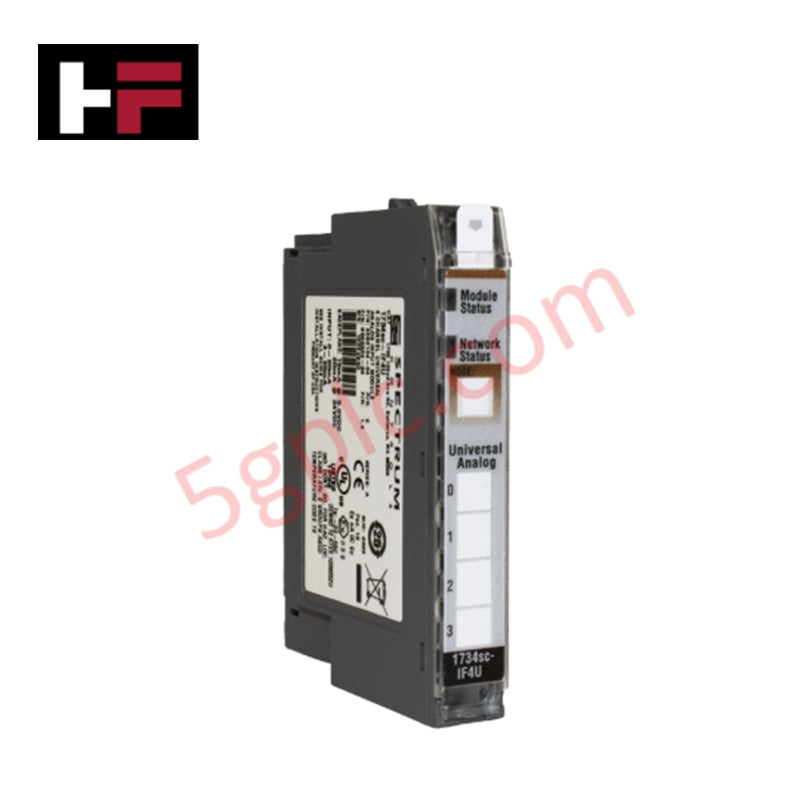
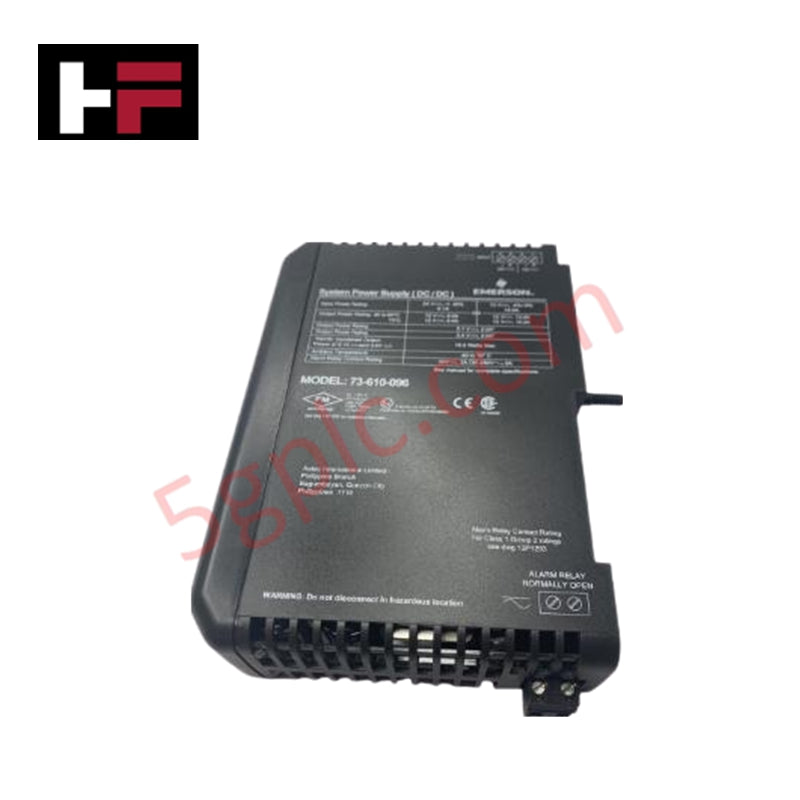
True manufacturing competitiveness no longer depends on finding the cheapest geographic location. Instead, modern industrial victory belongs to companies that leverage advanced factory automation and integrated control systems. Real resilience comes from combining hardware like Programmable Logic Controllers (PLCs) with smart supply chain clusters.
Decentralized Automation Scaling Beyond Lighthouse Factories
Industrial automation is no longer exclusive to elite, high-budget "lighthouse factories." Today, mid-sized and smaller component suppliers are rapidly upgrading their production floors. They are installing modular PLCs, Distributed Control Systems (DCS), and hybrid assembly lines to stay competitive.
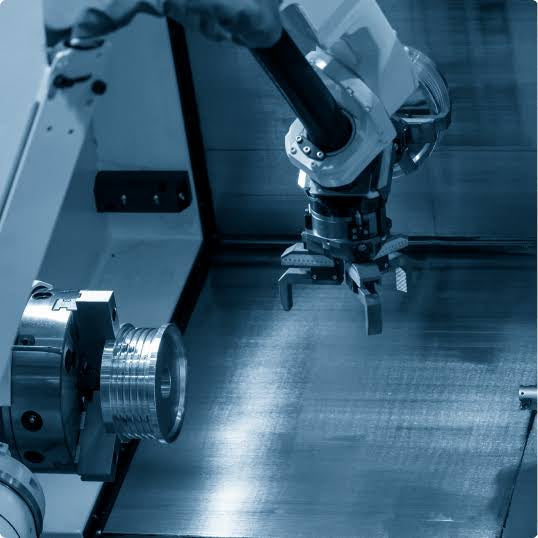
Fully automated "dark factories" run continuously with minimal human intervention. These environments excel at high-volume, standardized manufacturing. They rely heavily on synchronized control networks to guarantee process repeatability and strict quality control.
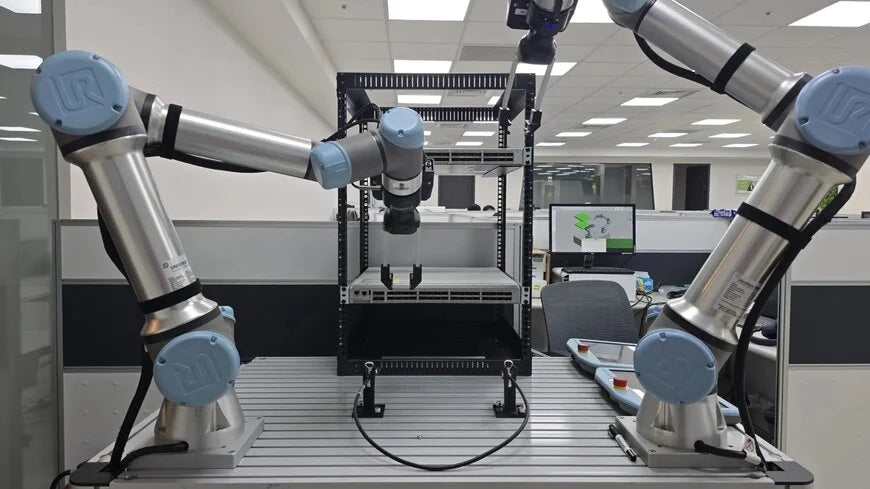
Meanwhile, semi-automated systems provide a flexible transition path for smaller plants. In facilities with frequent product changeovers, retrofitting legacy machines with modern PLCs reduces direct labor needs by two-thirds. More importantly, this transition stabilizes output quality and eliminates human error from the production cycle.
Geographic Density Accelerates Factory Automation Responses
The true power of modern industrial clusters lies in high geographic density. In major manufacturing hubs like Shenzhen, the entire supply chain operates within a tight geographic radius. Product development moves rapidly from initial design to PCB production, component sourcing, and final assembly.
This hyper-local proximity creates a highly responsive production ecosystem. Automation engineers can tune DCS networks and scale lines quickly because specialized component vendors sit just minutes away. This physical closeness allows large plants to focus on mass production while smaller local shops handle rapid prototyping and custom batches. Consequently, minimum order quantities (MOQs) have plummeted from thousands of units to just a few dozen.
Intelligent Logistics Link the Factory Floor to Distribution Networks
Modern industrial logistics are no longer separate downstream functions. Today, logistics systems integrate directly into the core factory automation network. Advanced distribution centers utilize Automated Guided Vehicles (AGVs) and Autonomous Mobile Robots (AMRs) to manage material transport.
These robotic fleets communicate directly with warehouse management systems to increase throughput. Automated sorting systems handle massive parcel volumes during peak demand cycles. Beyond physical hardware, engineers are deploying Artificial Intelligence (AI) for real-time quality control. AI-driven visual inspection systems catch surface defects on the assembly line well before packaging, speeding up inventory turnover.
Deeply Embedded Engineering Infrastructure Cuts Coordination Friction
Successful manufacturing requires deep coordination across multiple vendors, design adjustments, and logistics providers. A single communication breakdown can stall an entire production schedule. China's industrial belts solve this via deeply embedded engineering service infrastructures.
Industrial hubs like Yiwu feature massive trade markets supported by over 1.2 million market entities. These include dedicated engineering consultants, logistics experts, and technical support teams. They function as a collaborative network that bridges the gap between raw component vendors and final assembly lines. For international buyers, this infrastructure reduces backend coordination costs, allowing smooth execution without maintaining massive local engineering teams.
Author's Commentary: The Technical Reality of Supply Chains
Total cost of ownership (TCO) has replaced simple labor arbitrage. Manufacturers cannot solve structural supply chain disruptions simply by moving to a country with lower wages. If the new location lacks a stable power grid, skilled PLC programmers, or a dense component ecosystem, true operating costs will actually rise.
The future belongs to software-defined manufacturing. By integrating robust PLC logic, DCS process control, and real-time AI diagnostics, factories achieve true operational flexibility. The goal is no longer just cutting costs. The goal is building an automated system that adapts, recovers, and maintains high precision during global disruptions.
Technical Application Scenario: Electronic Component Assembly
To understand how this integrated ecosystem operates, consider a modern automotive electronics assembly line utilizing this automated framework:
- Step 1: Sourcing & Feeding: Local component suppliers deliver raw PCBs directly to the line. Automated warehouse systems deploy AMRs to transport parts to the assembly floor based on real-time inventory triggers.
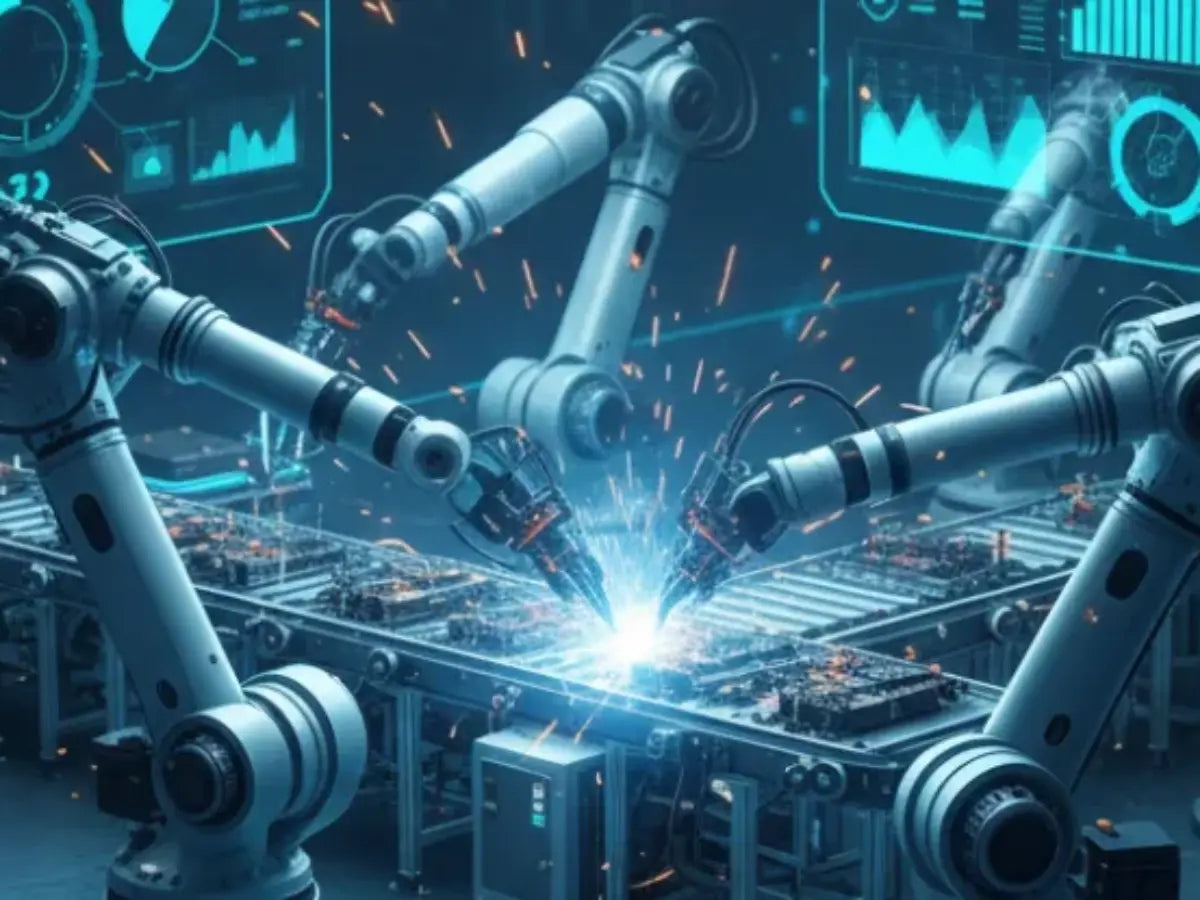
- Step 2: Processing & Control: High-speed surface mount technology (SMT) machines place micro-components. Centralized DCS networks monitor thermal profiles, while local PLCs manage high-speed robotic arms for mechanical housing assembly.
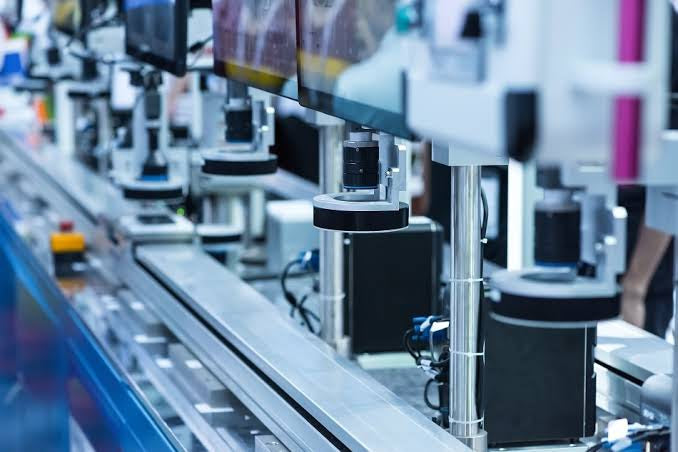
- Step 3: AI Quality Inspection: Before final packaging, an AI-powered camera system scans the assembly. It uses trained machine learning models to identify micro-fractures or soldering defects, automatically routing faulty parts to a rework station.
About the Author: Zhu Jing
Zhu Jing is a senior industrial automation specialist and technical consultant with over 15 years of hands-on experience in control system architecture and field commissioning. He specializes in designing distributed control topologies, upgrading legacy PLC frameworks, and integrating industrial internet of things (IIoT) protocols within heavy manufacturing environments. His analytical work focuses on the intersection of hardware automation, edge computing, and global supply chain logistics.