News
Modernizing North Sea Assets: ABB Upgrades Buzzard Platform Automation Systems
- 〡 by WUPAMBO
CNOOC Petroleum Europe Limited recently selected ABB to spearhead a critical technological upgrade for the Buzzard offshore platform. As one of the United Kingdom's most vital energy assets, this facility requires advanced control and safety systems to maintain peak operational reliability. Our expert analysis suggests that this partnership marks a pivotal step in securing the long-term future of North Sea energy production through digital transformation.

Empowering Smart Manufacturing with AI Vision and Industrial Data Analytics
- 〡 by WUPAMBO
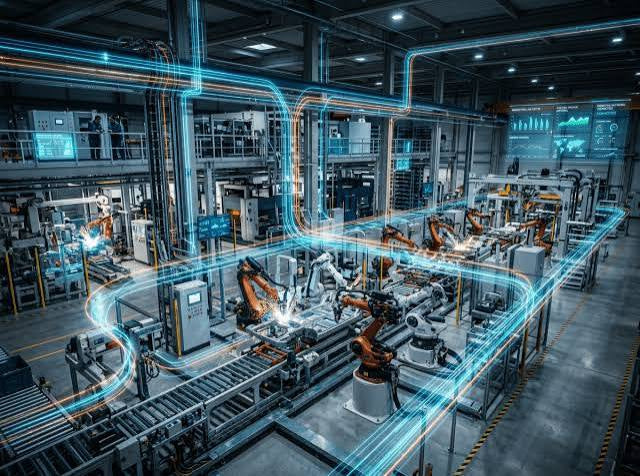
Manufacturers are rapidly integrating artificial intelligence and machine vision to optimize factory automation. These technologies transform visual data into actionable insights for production lines. Furthermore, they bridge the gap between traditional sensor-based monitoring and modern digital oversight. Consequently, plants achieve higher precision levels in quality control and process management.
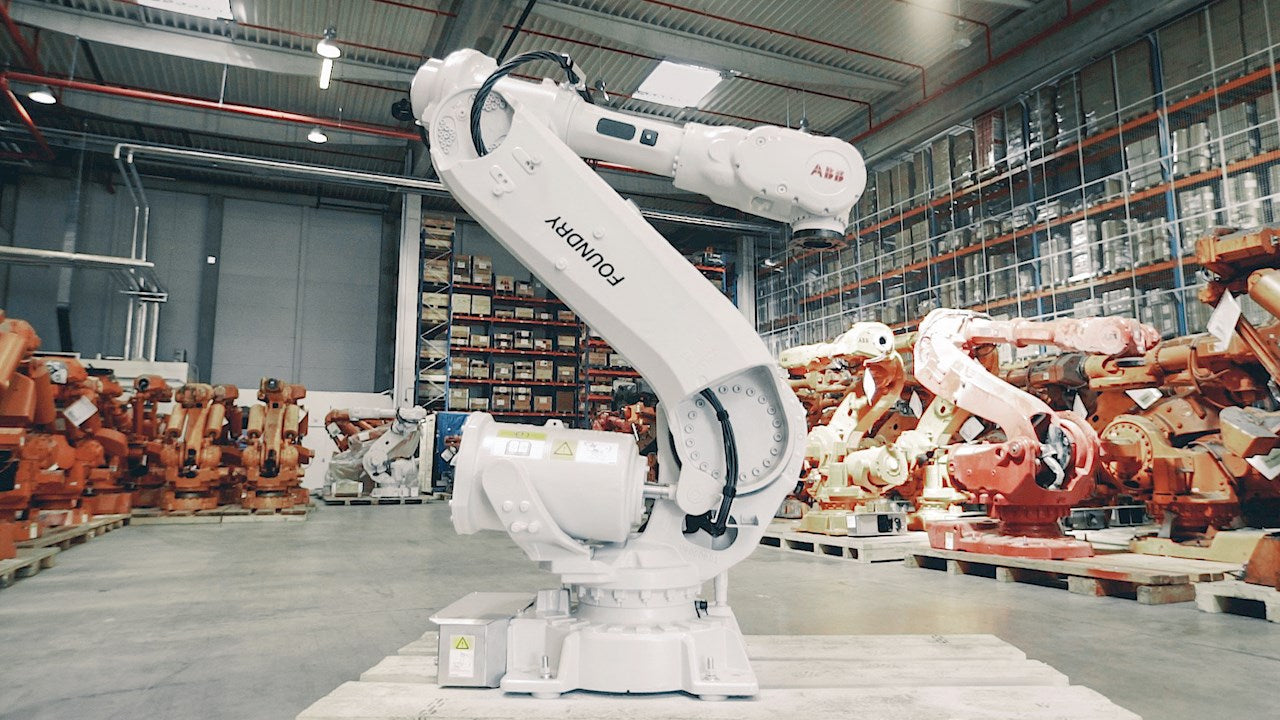
ABB Introduces Modular Extension Packs for System 800xA DCS
- 〡 by WUPAMBO
ABB has unveiled its first Extension Pack for the ABB Ability™ System 800xA® DCS, redefining control system upgrades. This modular approach allows users to implement advanced features incrementally, eliminating the severe downtime of traditional migrations while preserving existing investments in factory automation.

High Five PLC Solution 2026 Dragon Boat Festival Holiday Notice
- 〡 by WUPAMBO
High Five PLC announces our Dragon Boat Festival schedule for 2026. We remain operational 24/7 for technical support, with order shipping resuming on June 21.

Securing SCADA Systems: Identifying and Mitigating Industrial Vulnerabilities
- 〡 by WUPAMBO
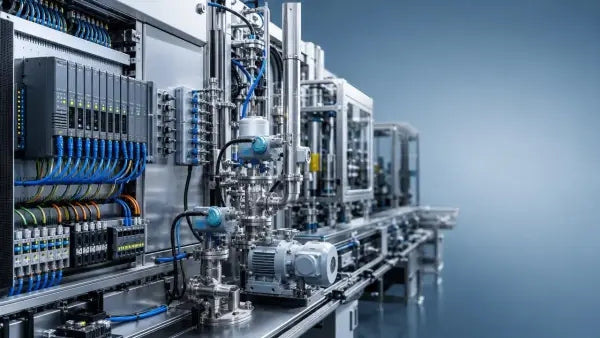
Supervisory Control and Data Acquisition (SCADA) systems serve as the backbone of modern industrial automation. They bridge the gap between plant-floor hardware and enterprise-level data networks. However, this increased connectivity introduces significant security risks. As we integrate PLC and DCS networks with the cloud or IoT, the attack surface expands rapidly. Securing these systems is no longer optional; it is a fundamental requirement for operational continuity.

Strategic Automation: Driving Value Across High-Stakes Industrial Sectors
- 〡 by WUPAMBO
Mining faces pressure from complex geology and narrowing concessions. Industrial automation is now an operational necessity, not just a convenience. Advanced control systems enable precision extraction, optimize water management, and utilize remote teleoperation to enhance safety. Discover how these technologies drive productivity and ensure compliance in demanding environments.