Pakistani Automotive Sector Adopts Cost-Effective Chinese Robotics for Assembly Lines
- 〡
- 〡 by WUPAMBO
Rising Industrial Automation Demand Drives Cross-Border Partnerships
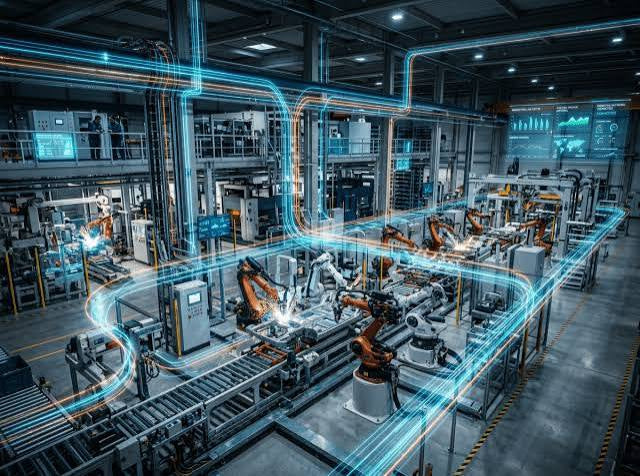
Pakistani industrial manufacturers are rapidly accelerating factory automation to upgrade their automotive production lines. At the 2026 World Robot Conference in Beijing, representatives from Shirazi Trading Company—an affiliate of Pakistan’s Atlas Group—explored advanced Chinese robotics solutions.
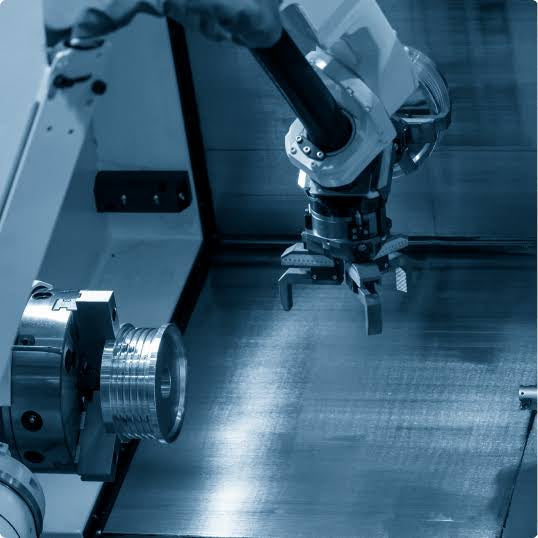
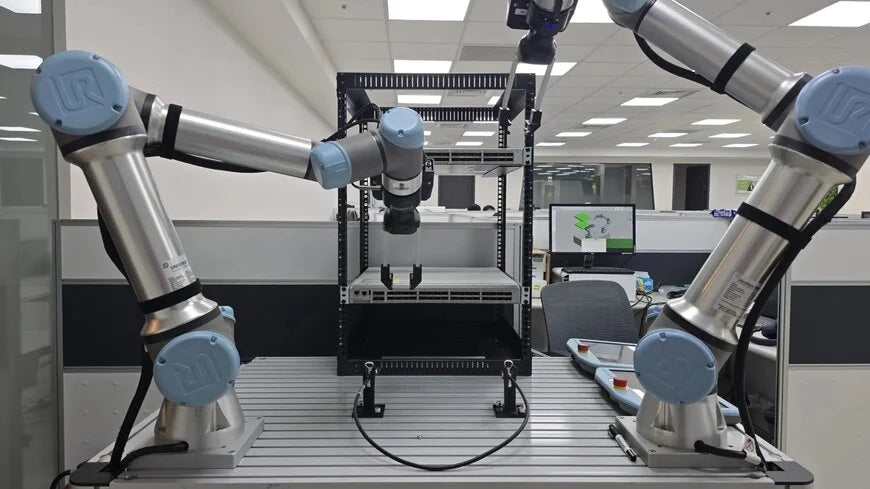
The company seeks reliable, cost-effective articulated robotic arms for welding, assembly, painting, and material handling applications.
Cost-Effective Robotics Solutions Bridge the Industrial Gap
Historically, high initial capital expenditure prevented many emerging markets from adopting comprehensive industrial automation. However, competitive Chinese robotics suppliers now offer high-performance control systems and manipulators at accessible price points.
Shirazi Trading Company has already ordered multiple robotic units from Chinese vendors. Consequently, these systems will arrive in Pakistan shortly to streamline local manufacturing operations.
Technical Insight: Modern Chinese industrial robots utilize standardized PROFINET, EtherCAT, and Modbus TCP protocols, allowing seamless integration with existing Programmable Logic Controllers (PLCs) and Distributed Control Systems (DCS).
Automotive Manufacturing Demands Repeatability and Quality Assurance
Pakistan maintains relatively low manual labor costs compared to developed economies. Nevertheless, automotive manufacturing strictly requires high repeatability, welding accuracy, and strict operational safety standards.
| Key Automation Driver | Industrial Impact | Operational Benefit |
|---|---|---|
| High Repeatability | Maintains precise weld seam quality | Minimizes structural defects |
| Operational Safety | Removes operators from hazardous zones | Reduces workplace injury risks |
| Production Speed | Accelerates cycle times | Increases daily throughput |
| Capital Efficiency | Delivers lower entry costs | Accelerates return on investment |
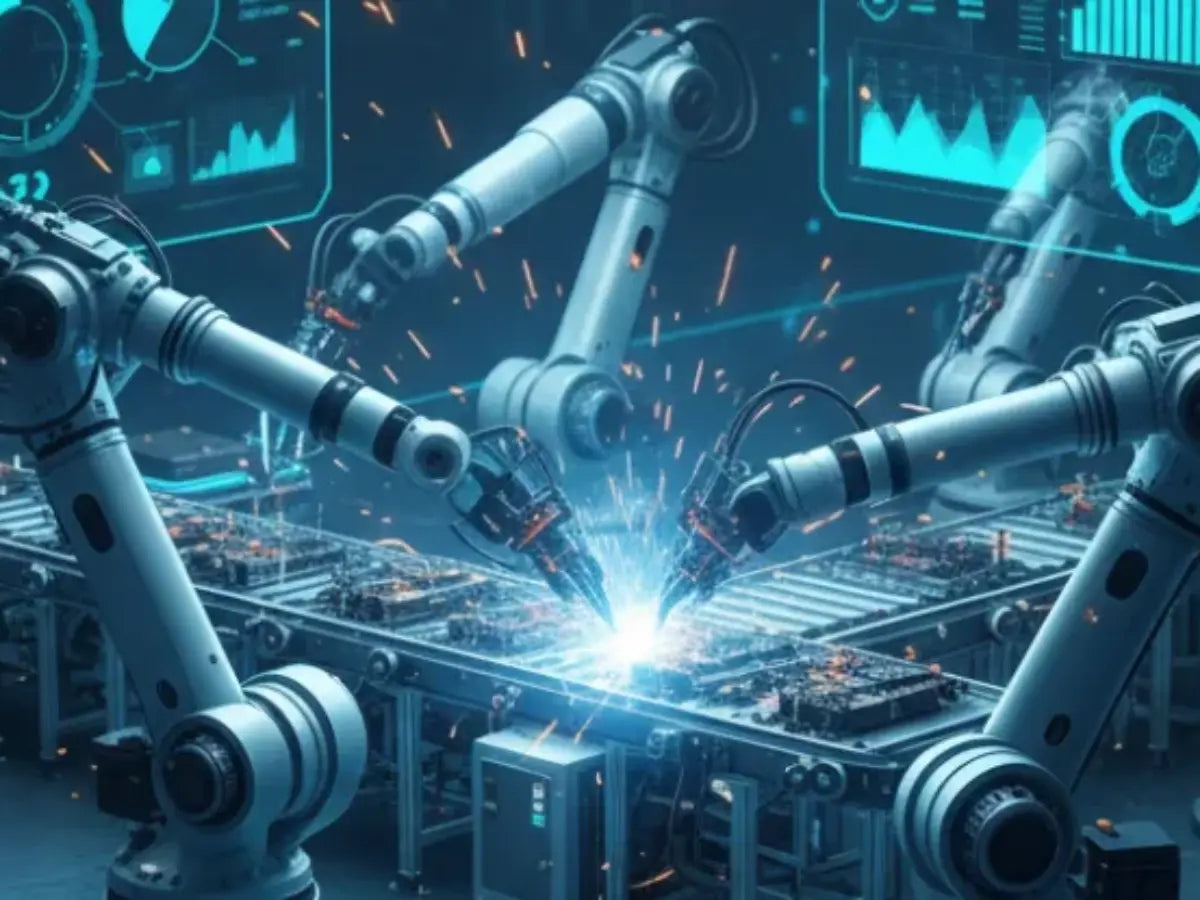
Automated spot welding, arc welding, and automated palletizing ensure consistent quality for both internal combustion engine (ICE) vehicles and electric vehicles (EVs).
Strategic Industry Alignment Expands Beyond Equipment Supply
To foster ecosystem growth, Pakistan hosted the Indus Robotics and Autonomous Systems Expo in July. The initiative brought together academic institutions, technology startups, and enterprise investors to accelerate local factory automation.
Moreover, Pakistani automotive leaders are engaging with experienced China-Japan joint-venture robotics developers. These technical discussions encompass comprehensive turnkey engineering, offline programming software, and customized PLC integration frameworks.
Expert Insight: A Unique Shift in Emerging Market Automation
From an industrial control perspective, Pakistan represents a distinct automation adoption model. In mature markets like China or Europe, rising wage rates primarily drive robotic deployments. Conversely, emerging markets adopt industrial robotics primarily to achieve strict quality control and functional safety rather than pure labor displacement.
Therefore, suppliers offering open-architecture controllers and simplified motion control programming will capture significant market share in developing industrial regions.
Application Scenario: Upgrading an Automotive Frame Welding Cell
To illustrate practical deployment, consider a typical chassis welding line retrofit:
- Cell Configuration: An integrator replaces manual MIG/MAG welding stations with two 6-axis articulated robots.
- Control Interlocking: A central Safety PLC coordinates light curtains, interlocking safety switches, and pneumatic clamping fixtures.
- Fieldbus Communication: The robot controller communicates directly with the cell PLC over EtherCAT, updating I/O states in real time.
- Resulting Outcome: Weld seam defect rates drop significantly, while cycle times decrease by over 35%.
About the Author
Li Ming is a Senior Control Systems & Industrial Robotics Specialist with over 15 years of field experience in process control and factory automation. He specializes in PLC programming, Motion Control, Distributed Control Systems (DCS), and high-reliability safety instrumented systems across global manufacturing and energy sectors.