Why 24V DC is the Global Standard in Industrial Automation
- 〡
- 〡 by WUPAMBO

In modern factory automation, you will find 24V DC power supplies powering the vast majority of instrumentation, control systems, and PLC I/O modules. While high-voltage AC remains necessary for heavy-duty motors and heaters, the low-voltage DC domain dominates the signaling and control landscape. Understanding why this standard exists is crucial for any automation professional.
Enhanced Safety and Arc Mitigation
Safety remains the top priority in any industrial environment. High-voltage AC (120V or 230V) introduces significant risks, including lethal electric shock and dangerous electrical arcing during switching operations. In contrast, 24V DC presents a minimal shock hazard to personnel. Furthermore, it produces negligible arcing, which protects sensitive switches and relay contacts from degradation and minimizes fire risks in volatile production areas.
Deterministic Power and Operational Stability
The stability of a power source directly dictates the accuracy of your sensors and instruments. AC voltage inherently fluctuates with frequency cycles and grid instability. Conversely, regulated 24V DC power provides a constant, steady voltage that protects delicate semiconductor circuits from transient spikes. As a result, control systems achieve higher signal integrity, leading to more precise measurement and control of process variables.
Space Efficiency and Component Miniaturization
Modern automation requires compact, high-density hardware. AC-based power components are typically bulky, generate significant heat, and require oversized enclosures for ventilation. By moving to 24V DC, manufacturers have successfully miniaturized controllers and power supplies. This reduction in footprint decreases overall system complexity and hardware costs, allowing for more compact control cabinet designs without sacrificing reliability.
Noise Immunity and Signal Integrity
Industrial plants are electrically "noisy" environments, filled with electromagnetic interference (EMI) from motors and drives. DC signals generally exhibit higher noise immunity compared to high-voltage AC alternatives. This characteristic is vital for long-term signal stability when communicating with analog devices like valve positioners or pressure transmitters. Although DC is less efficient over extremely long distances due to voltage drop, it remains the superior choice for local control loop integrity.
Expert Insight: The Battery-Backed Advantage
In my 15 years of experience, the most practical advantage of 24V DC is its natural synergy with backup systems. Because electricity can be stored in chemical batteries, 24V DC systems allow for seamless integration with Uninterruptible Power Supplies (UPS). In the event of a total power failure, your PLC and critical sensors can continue to function without interruption. I always advise designers to leverage this for "power-fail" shutdown logic to prevent mechanical damage during unexpected outages.
Application Scenario: Reliable Control Cabinets
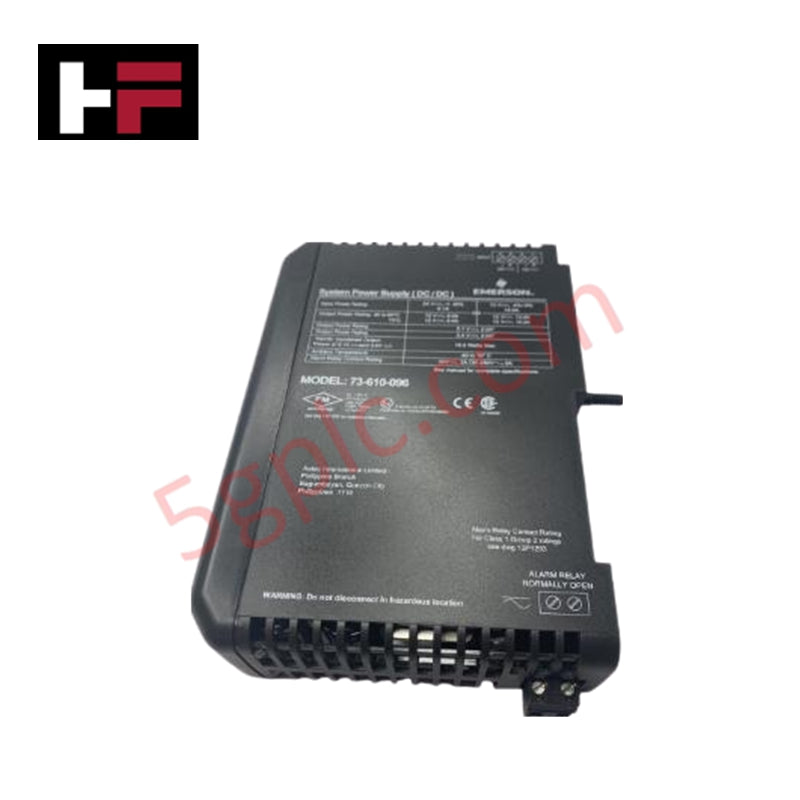
Consider a large-scale packaging line where downtime is extremely costly. By standardizing on a 24V DC architecture for all PLC I/O and sensors, the maintenance team can use a centralized, redundant power supply module. If one power unit fails, the backup takes over instantly. This approach ensures that the control system never loses visibility of the process, which is an impossible feat if components were powered directly by unstable AC main lines.
About the Author
Wang Minghao is a Lead Systems Architect with over 15 years of global experience in industrial automation, covering DCS, PLC, and high-voltage power protection. He has led technical teams in the deployment of complex automation solutions for the chemical, manufacturing, and energy sectors. Minghao is widely recognized for his practical approach to system design, focusing on safety, reliability, and the optimization of electrical infrastructure in harsh environments.