Evaluating Industrial Automation: Architectural Benefits and Operational Challenges
- 〡
- 〡 by WUPAMBO
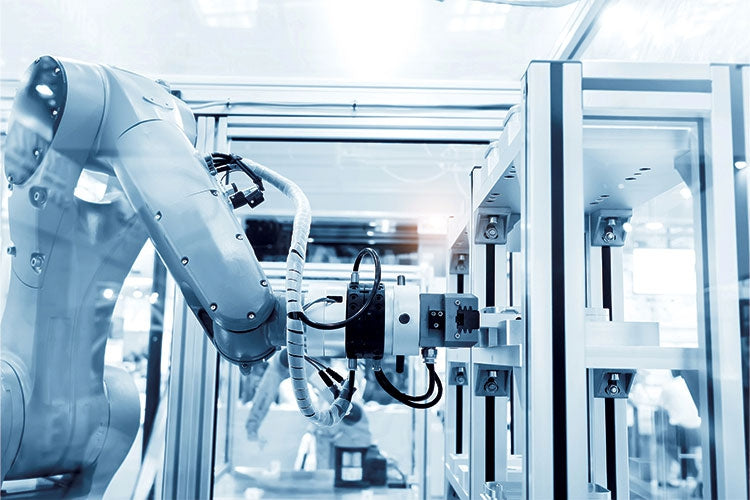
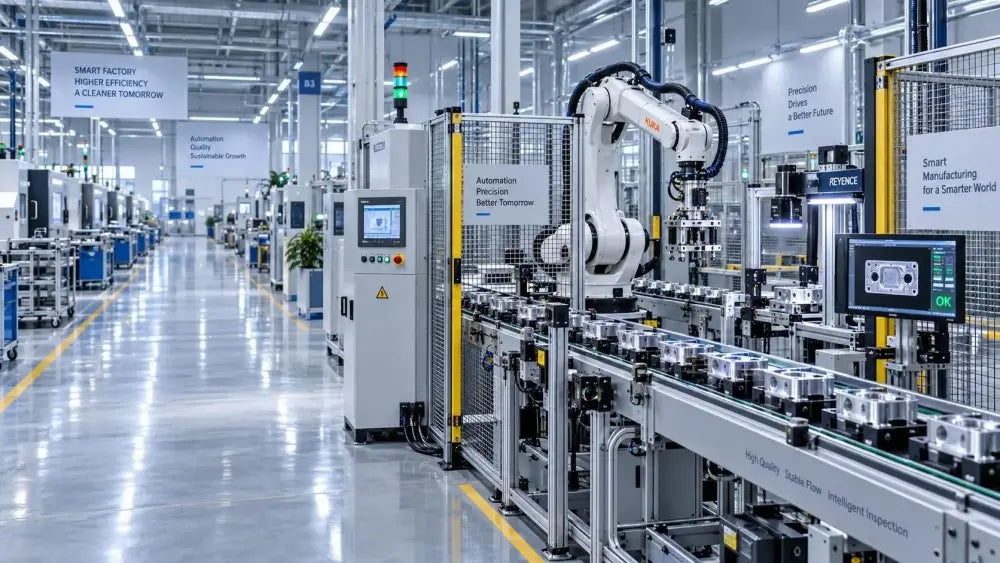
Modern manufacturing relies heavily on advanced industrial automation to streamline production cycles and maintain precise process execution. Automated control systems, programmable logic controllers (PLCs), and distributed control systems (DCS) replace repetitive manual intervention on shop floors. Evaluating the balance between operational gains and capital investment remains essential for engineering leaders planning smart factory upgrades.
Understanding the Core Components of Factory Automation
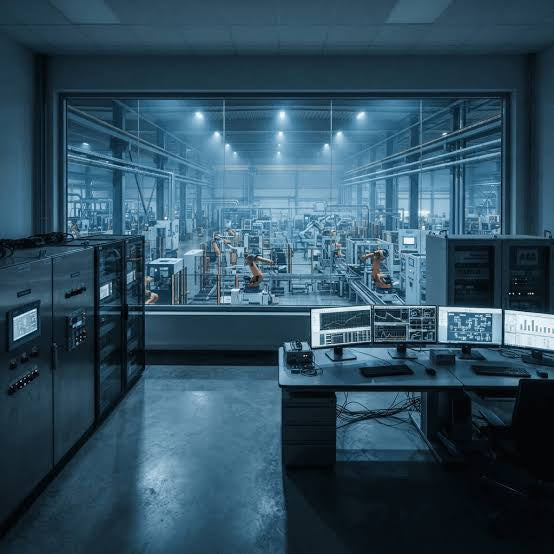
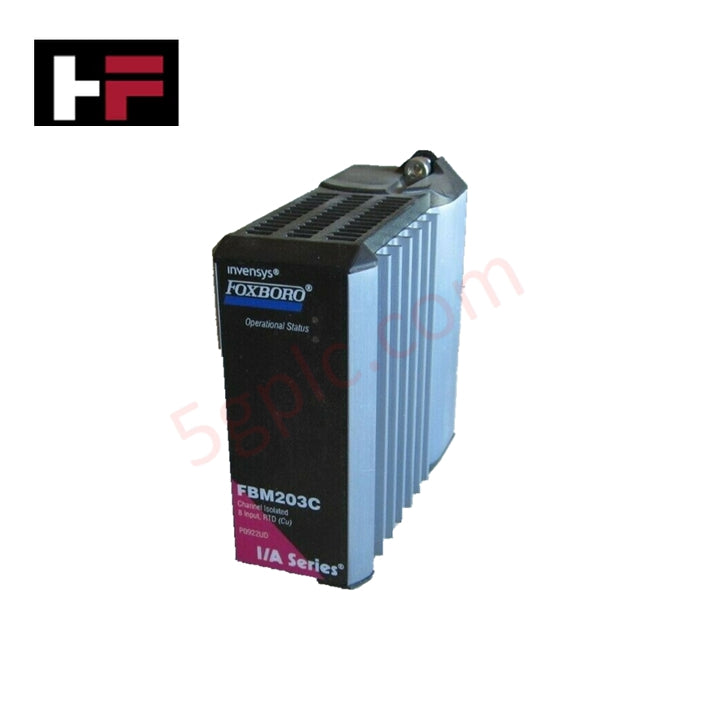
Factory automation integrates hardware logic solvers, field sensors, and real-time networking protocols to execute continuous manufacturing loops. Programmable controllers continuously evaluate field inputs, execute ladder logic routines, and actuate control valves without manual delays.
Furthermore, modern supervisory control and data acquisition (SCADA) platforms collect telemetry across entire processing lines. Operators monitor real-time trends, manage system interlocks, and track key operational metrics from centralized control rooms. This transition eliminates human latency and enforces strict execution consistency across every production batch.
Key Operational Advantages of Modern Industrial Control Systems
Deploying automated control systems yields measurable productivity improvements across varied manufacturing environments:
- Accelerated Throughput: Automated machinery operates continuously at maximum rated capacity without fatigue or shift transitions.
- Superior Batch Quality: Precision closed-loop control algorithms maintain tight tolerances, significantly reducing scrapped raw materials.
- Substantial Labor Savings: Automated lines eliminate repetitive manual tasks, allowing plants to reallocate human workers to technical maintenance.
- Enhanced Plant Safety: Safety instrumented systems (SIS) isolate dangerous processes, keeping field personnel away from hazardous environments.
Expert Insight: Modern industrial automation shifts human involvement from manual physical labor to high-value system engineering. Plants running advanced PLC and DCS networks achieve up to 30% higher uptime compared to semi-automated facilities.
Operational Demands and Financial Challenges of Automation Projects
Despite clear productivity gains, industrial automation introduces distinct operational and financial considerations that require proactive risk management.
Initial capital expenditure remains a major barrier for many industrial enterprises. Upgrading legacy production lines demands significant investments in high-end PLCs, industrial Ethernet switches, field instrumentation, and specialized software licenses. Moreover, plant owners must factor in project engineering hours, system integration fees, and mandatory workforce training.
Furthermore, automated plants face elevated cybersecurity risks as operational technology (OT) networks converge with enterprise IT infrastructures. System glitches, network latency, or unpatched PLC firmware can halt critical production units. Facilities must invest in dedicated OT cybersecurity tools and implement robust disaster recovery protocols to mitigate unplanned downtime.
Comparative Evaluation: Advantages vs. Disadvantages of Automation
Selecting the appropriate control architecture requires balancing operational gains against engineering constraints:
| Strategic Criteria | Primary Operational Advantages | Key Engineering Challenges |
|---|---|---|
| Production Execution | High-speed, repeatable output with minimized cycle times | Requires extensive upfront programming and logic validation |
| Capital Allocation | Reduces long-term operating costs and recurring labor expenses | Demands substantial initial capital investment for hardware and software |
| Process Quality | Eliminates human error and maintains strict manufacturing tolerances | System failures or logic bugs can cause widespread batch defects |
| Workforce Dynamics | Removes workers from dangerous thermal and chemical environments | Requires highly specialized engineering staff for maintenance and fixes |
| System Flexibility | Modular software recipes allow rapid product changeovers | Legacy system retrofits often require complex hardware gateways |
Real-World Application Scenario: Hybrid Batch Processing in Pharmaceuticals
A multinational pharmaceutical manufacturer upgraded a manual batching facility using a hybrid DCS and smart instrument network.
Implementation Strategy
- Batch Control: Engineers deployed a redundant DCS architecture running ISA-88 compliant batch software to regulate reactor temperatures and chemical dosing.
- Verification & Safety: The team integrated smart Coriolis mass flow meters and automated shutoff valves to enforce strict safety interlocks.
Operational Results
The automated system reduced batch processing cycle times by 35% while eliminating manual measurement errors completely. Furthermore, automated electronic batch records (EBR) simplified regulatory audits, helping the facility recover its initial capital investment within 18 months.
About the Original Author
Guo Jun is a veteran industrial automation architect and control systems consultant with over 15 years of field experience in system integration. He specializes in designing high-availability DCS frameworks, safety instrumented systems (SIS), and enterprise SCADA solutions for pharmaceutical plants, oil refineries, and large-scale manufacturing facilities across Asia and Europe.
- Posted in:
- DCS process control
- factory automation advantages
- PLC control systems
- SCADA system design
- smart manufacturing