Tech & Buying Guide

Sizing Power Supplies for Industrial Automation: A Technical Guide to PLC and DCS Stability
- 〡 by WUPAMBO
This guide explores essential PSU sizing and selection strategies for industrial automation. Learn how to optimize power stability for PLC and DCS systems, prevent costly downtime, and implement professional integration techniques to ensure your control cabinets function without interruption in modern factory environments.

The Evolution of Flexible I/O Modules in Industrial Automation
- 〡 by WUPAMBO
Traditional industrial automation uses dedicated I/O modules, often requiring new hardware for late-stage sensor additions. However, Flexible I/O Modules (FIOM) allow a single channel to function as any type (AI, AO, DI, DO). This software-defined approach grants engineers unprecedented freedom during design and commissioning.

Comparative Guide: SCADA and PLC Configuration Architectures
- 〡 by WUPAMBO
Efficient industrial automation relies on tiered SCADA architectures—small, medium, or large—tailored to facility size and criticality. This structured approach balances cost with reliability, ensuring optimal factory automation performance and equipment redundancy through precise control system configuration.

Understanding the Critical Differences: Power Cables vs. Signal Cables
- 〡 by WUPAMBO
Beyond high-quality code, hardware and electrical safety form the foundation of industrial automation. A robust PLC strategy must prioritize power distribution, earthing, and hardware interlocks to protect personnel and machinery. Early integration ensures long-term reliability and global safety compliance.

Distinguishing Signal Cables vs. Control Cables in Industrial Automation
- 〡 by WUPAMBO
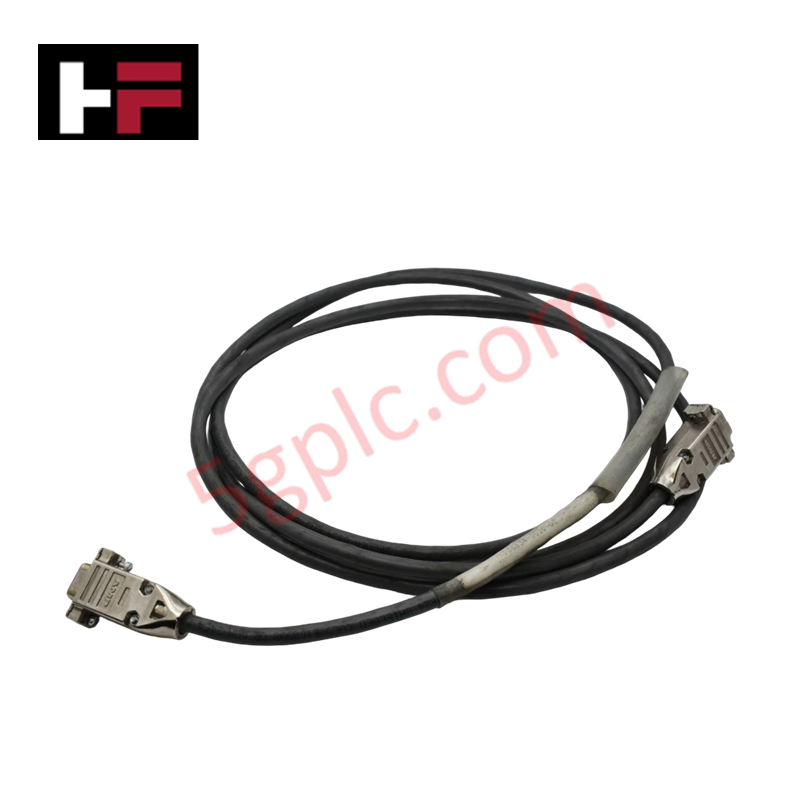
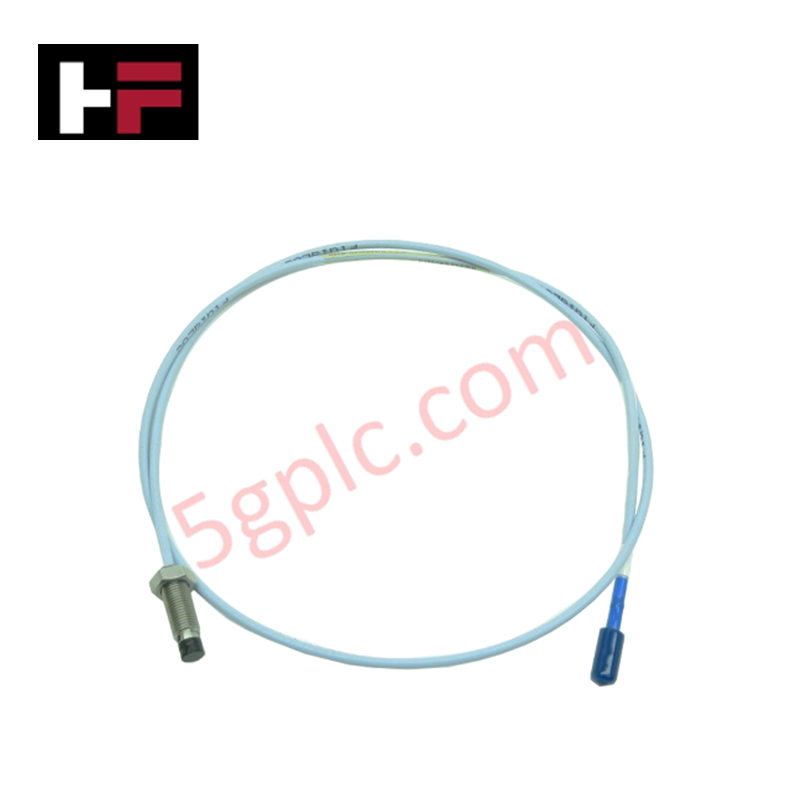
In complex industrial automation, selecting the correct cabling is vital for system integrity. Both signal and control cables transfer information between the PLC and field devices. However, they serve distinct roles within the electrical architecture. Mistaking one for the other can lead to significant signal interference or equipment failure. Therefore, engineers must understand the specific electrical properties and physical constructions of each type.

Essential Safety Protocols for PLC System Design in Industrial Automation
- 〡 by WUPAMBO
Beyond high-quality code, hardware and electrical safety form the foundation of industrial automation. A robust PLC strategy must prioritize power distribution, earthing, and hardware interlocks to protect personnel and machinery. Early integration ensures long-term reliability and global safety compliance.