Distinguishing Signal Cables vs. Control Cables in Industrial Automation
- 〡
- 〡 by WUPAMBO

Essential Wiring for Modern Control Systems
In complex industrial automation, selecting the correct cabling is vital for system integrity. Both signal and control cables transfer information between the PLC and field devices. However, they serve distinct roles within the electrical architecture. Mistaking one for the other can lead to significant signal interference or equipment failure. Therefore, engineers must understand the specific electrical properties and physical constructions of each type.
Characteristics of High-Precision Signal Cables
Signal cables transmit low-level electronic data across the factory floor. These cables typically handle 4-20mA current loops, 0-10V analog signals, or high-speed Ethernet communications. Their primary objective is data accuracy rather than power delivery. To protect these sensitive streams, manufacturers often include specialized shielding against electromagnetic interference (EMI). Moreover, twisted-pair configurations help minimize cross-talk between adjacent channels.
The Robust Function of Control Cables
Control cables connect the DCS or PLC to the actual machinery they regulate. Unlike signal wires, control cables often carry higher voltages and currents to actuate motors, valves, and solenoids. These cables prioritize physical durability and current-carrying capacity. While some versions feature shielding, others remain unshielded depending on the environment. Furthermore, they frequently contain multiple conductors to manage several control points within a single jacket.
Key Differences Between Signal and Control Wiring
The fundamental difference lies in the intended application. Signal cables focus on transmitting data with minimal loss or noise. In contrast, control cables focus on the execution of physical movements and power distribution. The following table highlights the technical specifications:
| Feature | Signal Cables | Control Cables |
| Primary Purpose | Low-level data transmission | Device actuation and power |
| Current Capacity | Very low (mA range) | Higher (Amps for actuators) |
| Common Signals | 4-20mA, 0-10V, Fieldbus | 24VDC, 110VAC/230VAC |
| Construction | Shielded, Twisted Pairs | Multicore, variable shielding |
| EMI Protection | Critical for accuracy | Situational requirements |
Author Commentary: Selection Trends in SecureOT
From my professional perspective, the rise of SecureOT and high-speed factory automation has increased the demand for high-quality signal cabling. As we move toward autonomous systems, the "noise" generated by variable frequency drives (VFDs) can easily corrupt unshielded signal lines. I always recommend using double-shielded cables for any analog input tied to critical safety sensors. This proactive step prevents "phantom" trips that disrupt production.
Application Scenario: Robotic Arm Integration
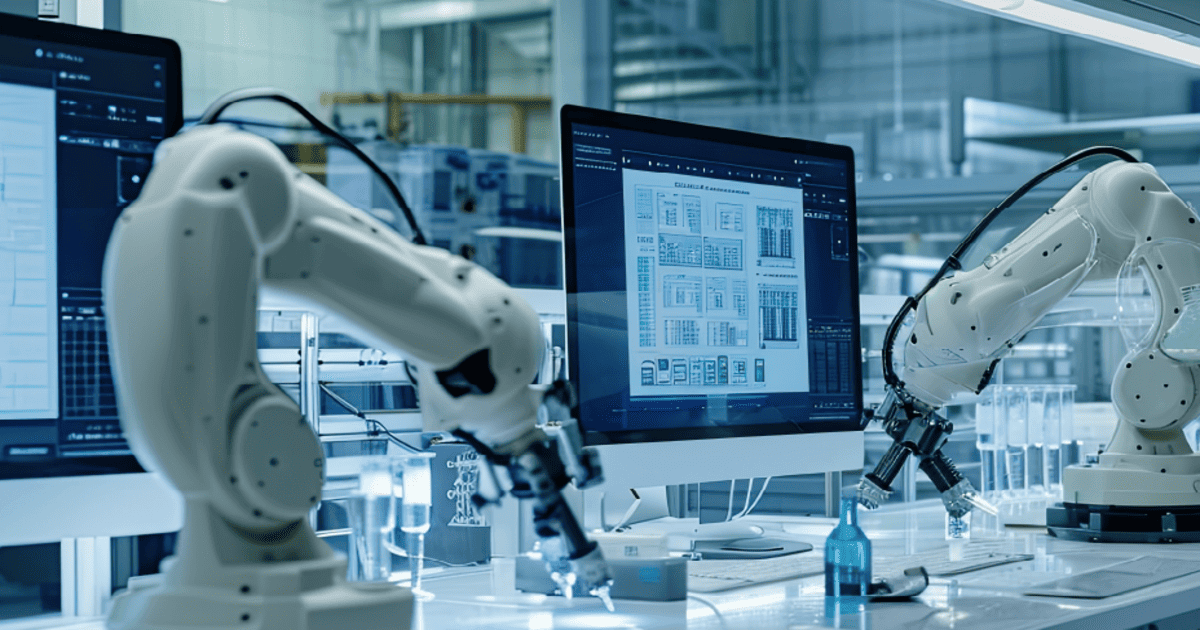
In a robotic assembly cell, the system uses both cable types simultaneously. Signal cables transmit the precise position data from high-resolution encoders back to the controller. Simultaneously, control cables provide the 24V signals required to engage the robotic grippers and move the heavy-duty servos. Using the correct cable for each task ensures the robot moves with both power and precision.
- Posted in:
- 4-20mA
- control cables
- control systems.
- DCS
- EMI shielding
- factory automation
- PLC
- signal cables