










Product Details
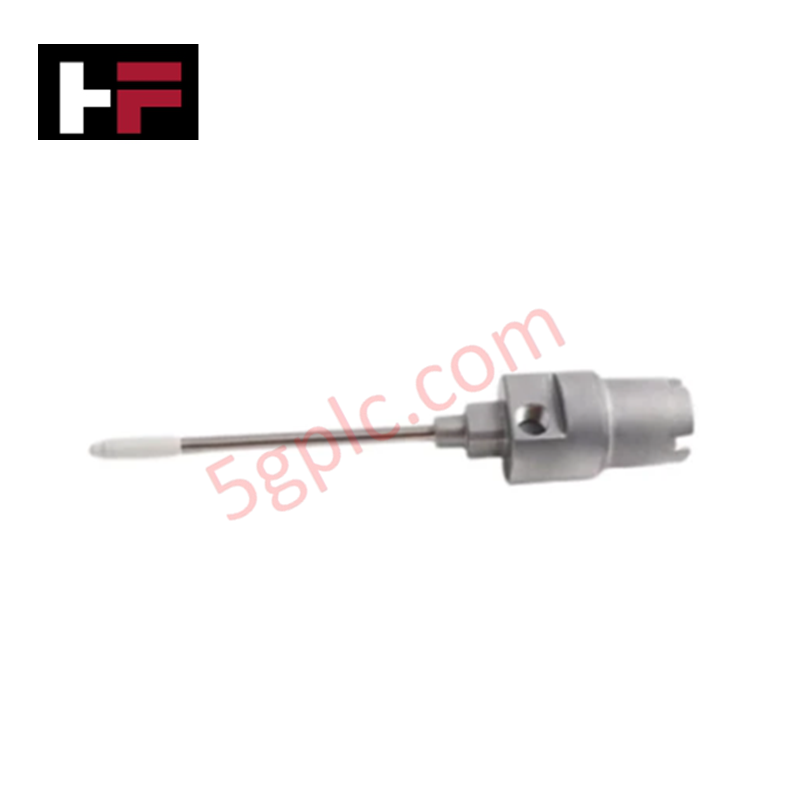
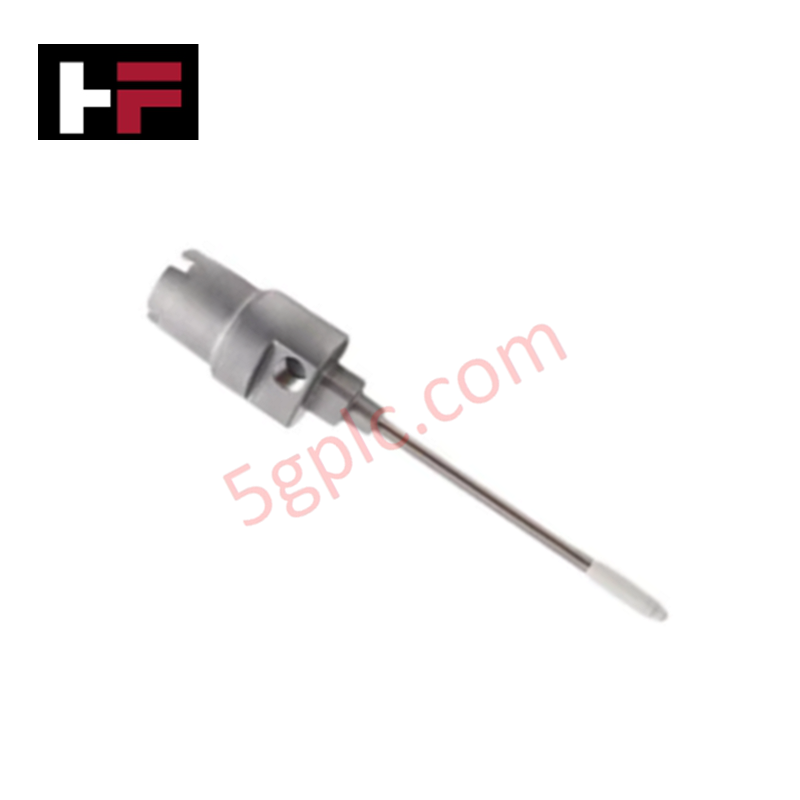
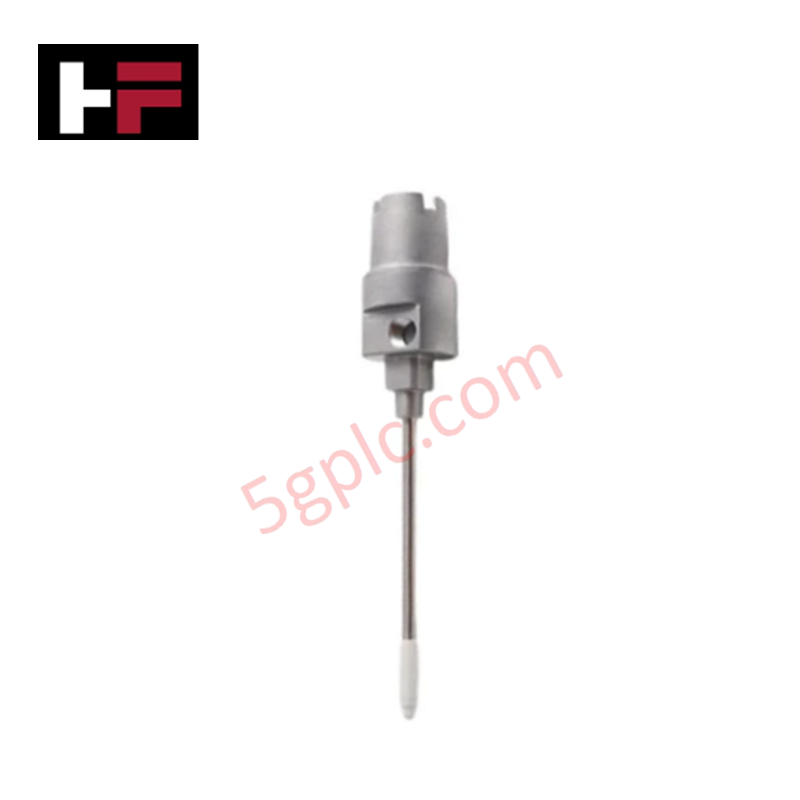
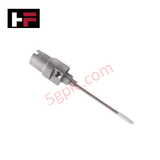
The Bently Nevada 21000-16-10-15-067-03-02, also cataloged as the 21000 Proximity Probe Housing Assembly, operates as a dedicated hardware component for mechanical environmental sealing and rigid penetration positioning of proximity transducers within machinery protection platforms.
Suffix Breakdown & Model Matrix
| Option Field | Code | Configuration Detail |
|---|---|---|
| Probe Option | 16 | 3300 XL 8 mm probe |
| Probe Cable Length | 10 | 1.0 m (39 in) probe cable length |
| Standoff Adapter | 15 | 1.5 in standoff adapter length |
| Probe Penetration | 067 | 6.7 in penetration length |
| Fittings Option | 03 | One 3/4-14 NPT plug, one 3/4-14 to 1/2-14 NPT reducer, multi-size grommet cable seal grip |
| Mounting Thread | 02 | 3/4-14 NPT outer mounting thread |
Hardware Specifications
| Parameter | Specification |
|---|---|
| Model | 21000-16-10-15-067-03-02 |
| Brand | Bently Nevada |
| Origin | USA |
| Weight | 2.1 kg |
| Dimensions | 6.7 in penetration length, 1.5 in standoff adapter, 3/4-14 NPT mounting thread |
| Operating Temp | -51 deg C to +177 deg C (-60 deg F to +351 deg F) |
| Power Consumption | Passive mechanical housing assembly |
| Construction Material | Stainless Steel |
| Enclosure / Agency Rating | CSA Type 4 rating, API 670 standard compliance, explosion-proof hazardous area suitability |
| Sealing Features | Thread seal, internal O-rings, threaded dome cover, conduit ports |
Gap Voltage Validation and Rotor Dynamics Analysis
The 21000 housing assembly rigidly locks the reverse-mount 3300 XL probe sleeve at a fixed mechanical penetration depth of 6.7 inches to maintain precise alignment relative to rotating shafts. Adjusting the sleeve positioning during installation allows verification of the DC gap voltage to hit the nominal -10 VDC baseline, placing the probe in the center of its linear dynamic range. This stable mechanical orientation prevents signal attenuation, ensuring precise rotor dynamics feedback and maintaining cross-talk suppression between orthogonal X-Y probe pairs inside the machine casing.
Frequently Asked Questions
Q: How does the housing maintain environmental sealing across hazardous field locations?
A: The stainless steel housing features an O-ring sealed threaded dome cover, thread seals, and a CSA Type 4 certified enclosure design that meets API 670 standards for hazardous location deployments.
Q: What conduit fitting options are provided under code 03?
A: Option 03 supplies one 3/4-14 NPT plug, one 3/4-14 to 1/2-14 NPT reducer, and a cable seal grip equipped with grommets for various cable diameter ranges.
Field Installation Guidelines
- Apply approved thread sealant to the 3/4-14 NPT mounting threads and engage a minimum of 5 full turns into the tapped casing port.
- Carefully pass the reverse-mount probe sleeve assembly through the housing body without impacting the internal transducer tip.
- Verify mechanical tip gap distance by measuring the Proximitor Sensor DC output until a -10 VDC gap bias voltage target is achieved.
- Tighten internal sleeve locking collar screws to preserve the calibrated position against mechanical vibration.
- Install selected cable grip grommets and torque external conduit fittings to prevent moisture entry through the enclosure ports.
- Thread the dome cover completely onto the housing body until the elastomeric O-ring seats firmly against the housing shoulder.
Additional Information
- 100% Genuine Parts: All products are original and authentic, ensuring reliable industrial performance.
- 30-Day Refund Guarantee: Return any in-stock item within 30 days in original, unopened packaging for a full refund (excluding shipping and fees).
- 12-Month Warranty: Covers defects in materials or workmanship; excludes misuse, normal wear, or unauthorized modifications.
- Worldwide Shipping: We ship via USPS, UPS, FedEx, and DHL. Delivery times vary by country and may be subject to customs or import fees.
- Support & Contact: Technical and warranty assistance is available anytime. Contact us here: Contact.
- Purchase Guidance: Check product specifications and compatibility carefully before ordering to ensure proper application.


Tech & Buying Guide

Step-by-Step System Cabinet Health Check Guide for PLC and DCS Infrastructure

Top 5 Operational Advantages of HMIs in Modern Factory Automation
