Tech & Buying Guide

Examples of SCADA and PLC Configuration Systems in Industrial Automation
- 〡 by WUPAMBO
Learn how SCADA and PLC configurations are structured across small, medium, and large-scale industrial facilities. Explore system design strategies, redundancy requirements, and best practices for reliable industrial automation.
Applications of SCADA in Industrial Automation
- 〡 by WUPAMBO
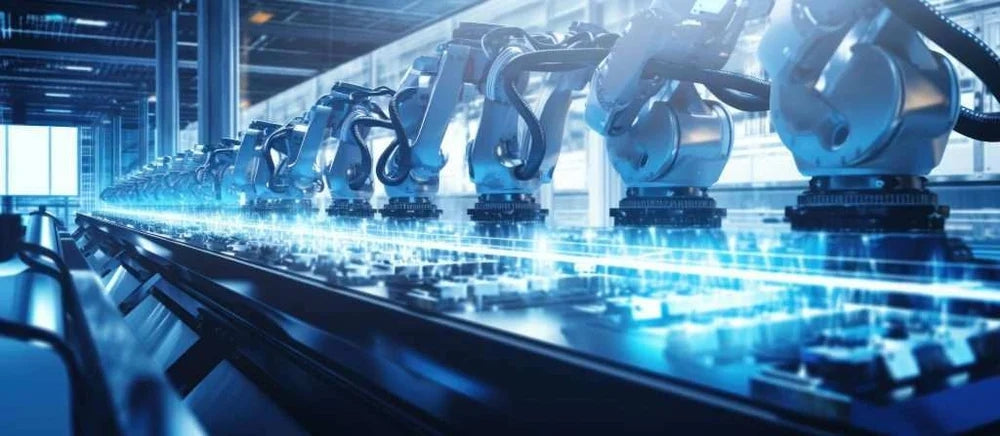
Discover how SCADA systems revolutionize industrial automation by enabling remote control, data analysis, and real-time process optimization across industries such as power, water, transportation, and manufacturing.

Key Functions of a SCADA System in Industrial Automation
- 〡 by WUPAMBO
Explore the four core functions of SCADA—data acquisition, communication, visualization, and control—and understand how this system powers industrial automation, process optimization, and remote supervision.

Instrumentation Earthing in Industrial Automation Systems
- 〡 by WUPAMBO
In industrial automation, earthing provides a safe, low-resistance path for electrical fault currents. It protects both equipment and personnel by diverting excessive current directly into the ground. Proper earthing is fundamental to PLC, DCS, and control system reliability, ensuring stable operation even under fault conditions.

Sinking vs Sourcing in PLC: Choosing the Best IO Connection for Industrial Automation
- 〡 by WUPAMBO
In industrial automation, correct IO wiring is essential for reliable PLC operation. Sinking and sourcing define voltage flow to field devices relative to PLC common. Choosing the right type ensures accurate digital IO signals and prevents false readings. These rules are key for engineers using PLC, DCS, or factory automation systems.

Why 24 Volts DC is Standard in PLC and Industrial Automation Systems
- 〡 by WUPAMBO
In industrial automation, selecting the right control voltage is vital for performance and safety. Among all options, 24V DC has become the global standard for PLC and DCS systems due to its safety, stability, and compatibility, offering reliable operation across modern automation environments.