Optimizing Factory Automation: The Definitive Guide to VFD Preventive Maintenance
- 〡
- 〡 by WUPAMBO
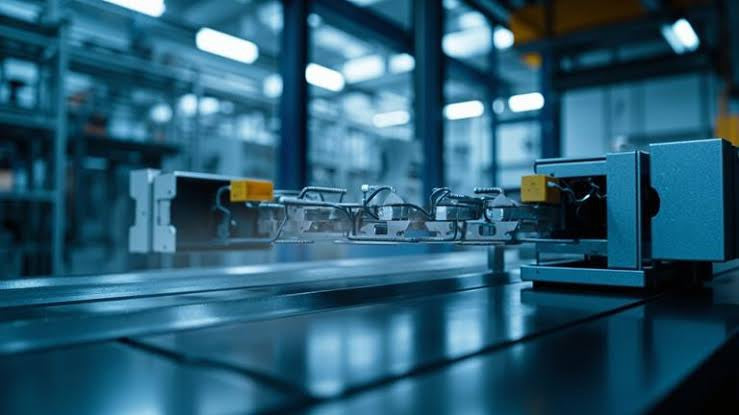
Variable Frequency Drives (VFDs) serve as critical assets in mo dern industrial automation. These power electronic devices regulate electric motors by adjusting the supplied frequency and voltage. Consequently, industries utilize VFDs to reduce energy consumption and optimize process control. Major manufacturers like Siemens, ABB, and Yaskawa design highly efficient drives. However, sustained efficiency requires a rigorous preventive maintenance program.
Understanding Enclosure Dynamics and Environmental Factors
The operating environment directly affects the lifespan of internal VFD components. Most industrial drives carry either NEMA 1 or NEMA 12 protection ratings. NEMA 1 enclosures feature integrated cooling vents for indoor factory automation environments. These vents optimize airflow but allow ambient dust to accumulate on internal heatsinks. Therefore, maintenance teams must clean these units frequently to prevent thermal blockages.
In contrast, NEMA 12 enclosures feature completely sealed structures. These sealed units protect internal electronics against airborne contaminants and water splashes. Nevertheless, engineers must monitor internal temperatures closely. Accumulated dust insulates power components like Insulated Gate Bipolar Transistors (IGBTs). As a result, thermal stress accelerates component degradation and causes unexpected drive failures.
Combating Thermal Stress and Moisture Contamination
Moisture represents a significant threat to industrial control systems and VFD lifespans. High humidity levels trigger localized corrosion on internal printed circuit boards. Moreover, moisture mixes with airborne dust to form a conductive tracking layer. This tracking layer creates short circuits across high-voltage bus bars.
To mitigate these risks, facilities must maintain strict climate controls within electrical rooms. Sealed NEMA 12 enclosures offer superior protection against accidental fluid leaks. However, engineers should inspect the integrity of enclosure seals during routine checks. Vented NEMA 1 units require lower ambient humidity to prevent moisture ingress through open ports.
Managing Mechanical Vibration and Torque Specifications
Mechanical vibration from nearby industrial machinery gradually loosens critical electrical connections. Thermal cycling during normal operation also causes wiring expansion and contraction. Consequently, loose connections create high-resistance points within the VFD power circuit. These resistance points generate excessive heat and drop voltage.
Maintenance technicians must inspect all control and power terminals regularly. However, technicians must avoid over-tightening the terminal screws. Over-torquing strips the threads and damages the underlying circuit board. Therefore, always use a calibrated torque wrench. Technicians must strictly follow the manufacturer torque specifications listed in the manual.
Establishing a Structured Maintenance Schedule
Effective factory automation management demands a tiered maintenance strategy. Technicians should execute specific tasks on weekly, monthly, and annual intervals.
1.Weekly Operational Audits:High-Frequency Testing。
Listen for unusual acoustic noise from the cooling fans. Record operating parameters including DC bus voltage, output current, and operating frequency.
2.Monthly Ventilation Inspections:Filter Maintenance。
Inspect and clean all enclosure ventilation filters. Replace saturated filters immediately to ensure unrestricted cooling airflow through the drive.
3.Annual Comprehensive Shutdown:Deep Component Diagnostics。
De-energize the drive and vacuum all internal dust. Tighten all structural connections to exact torque specifications. Measure the DC bus ripple voltage with an oscilloscope.
Expert Commentary on Component Life Cycles
From my fifteen years in industrial automation, I see many facilities neglect component life cycles. They often treat VFDs as simple plug-and-play devices. This approach is a costly mistake. Internal cooling fans typically fail after three to five years of continuous operation. When a fan fails, the drive overheats within minutes.
Furthermore, the large electrolytic DC bus capacitors degrade over time. These capacitors dry out and lose their filtering capacitance after seven years. This degradation increases the internal DC ripple voltage. High ripple voltage stresses the input rectifier and corrupts output waveforms. Therefore, you must track component age and replace these parts proactively.
Industrial Solution Scenario: Automated Wastewater Pumping
A municipal wastewater facility operates five 250-horsepower high-capacity pumps. The facility utilizes heavy-duty VFDs to match pump speeds with varying wet well influent levels. Initially, the plant experienced multiple drive failures during hot summer months.
To solve this, the engineering team implemented a strict preventive maintenance protocol. Technicians began cleaning the NEMA 12 enclosure heat exchangers monthly. They also replaced aging cooling fans according to a fixed four-year schedule. This proactive strategy eliminated unexpected thermal tripping. As a result, the plant reduced emergency maintenance costs by forty percent over two years.
About the Author: Wang Haoran
Wang Haoran is a senior industrial automation specialist with fifteen years of field experience. He specializes in designing large-scale DCS architectures, commissioning high-power VFD systems, and optimizing power protection networks. Throughout his career, he has engineered robust control solutions for the manufacturing, petrochemical, and water treatment industries. His practical insights help industrial plants maximize uptime and extend asset lifespans.