PASCO at 50: How Industrial Automation Redefined End-of-Line Efficiency
- 〡
- 〡 by WUPAMBO

Origins of Factory Automation Innovation
In 1976, three visionaries tackled a critical safety issue at Monsanto. Manual drum lifting slowed production and injured workers. They founded PALCO, introducing a mechanical palletizer that proved automation could succeed where manual labor failed. This breakthrough laid the foundation for modern factory automation and shaped PASCO’s mission for decades.
Evolution Through Five Decades of Industrial Automation
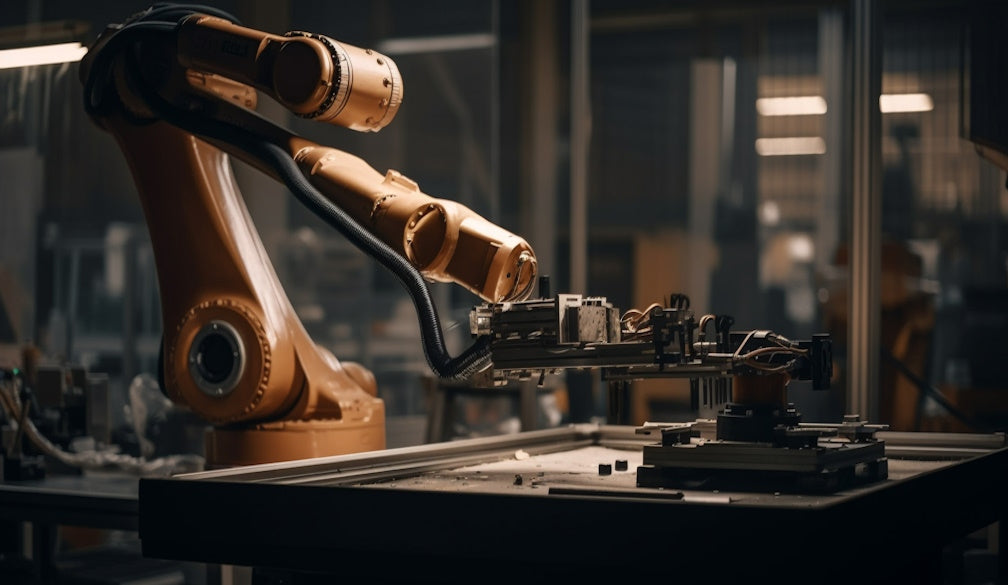
PASCO’s journey mirrors the transformation of American manufacturing. From mechanical palletizers to advanced robotic systems, the company consistently adapted to industry demands. By 2004, PASCO integrated FANUC robotics, expanding capabilities in PLC and DCS control systems. Headquartered in St. Louis, PASCO now supports hundreds of facilities across North America, demonstrating resilience and innovation.
Leadership Driving Automation Excellence
For over 30 years, CEO Sandy Dunkel Elfrink has guided PASCO with vision and determination. Her early advocacy for robotic automation positioned PASCO as a leader in industrial automation solutions. Moreover, her role highlights the importance of diversity in a traditionally male-dominated sector, proving that leadership and innovation transcend barriers.
Comprehensive End-of-Line Automation Solutions
PASCO delivers complete automation systems that optimize production lines:
-
Palletizing systems improve warehouse efficiency.
-
Robotic valve bag placing ensures precision in packaging.
-
Case handling systems streamline product flow.
-
Integrated packaging automation connects production to shipping.
These solutions reduce manual intervention, enhance safety, and maximize throughput. As a result, PASCO remains a trusted partner for manufacturers seeking reliable control systems.
ROI and Competitive Advantage in Factory Automation
PASCO’s clients consistently report measurable ROI. Intelligent automation reduces labor costs, minimizes injuries, and prevents product damage. In addition, flexible systems allow manufacturers to handle multiple product lines efficiently. These benefits are vital as North American companies embrace reshoring while facing global competition and labor shortages.
Strategic Growth Through Acquisition
In 2023, PASCO acquired Versatech, a process automation firm in Illinois. This move expanded PASCO’s geographic reach and strengthened expertise in process control systems. Therefore, PASCO now offers broader solutions, combining packaging automation with advanced process automation capabilities.
Future-Ready Industrial Automation Technologies
PASCO invests in next-generation technologies to meet evolving demands:
-
Collaborative robots working safely with humans.
-
Machine learning optimization for real-time performance.
-
Cloud-based monitoring enabling remote diagnostics.
-
Sustainable automation reducing energy consumption.
-
Flexible systems adapting to product changes.
These innovations align with smart factory principles and position PASCO as a driver of future industrial automation trends.
Partnership Approach to Automation Projects
Unlike vendors who simply sell equipment, PASCO acts as a true automation partner. Each project begins with facility analysis, followed by custom design tailored to infrastructure and growth plans. This consultative approach ensures long-term success and builds trust with clients.
Conclusion: Half a Century of Industrial Automation Leadership
PASCO’s 50-year journey reflects commitment to safety, efficiency, and measurable ROI. From PALCO’s first palletizer to today’s intelligent robotic systems, PASCO continues to lead in factory automation. Businesses seeking reliable end-of-line solutions benefit from PASCO’s unmatched expertise and proven track record.
Application Scenarios: Real-World Automation Solutions
-
Food and beverage plants using robotic palletizers to reduce contamination risks.
-
Chemical manufacturers deploying valve bag placing systems for hazardous materials.
-
Logistics companies integrating case handling systems to accelerate warehouse operations.
-
Consumer goods factories adopting flexible packaging automation to manage seasonal demand.
- Posted in:
- Collaborative Robots
- DCS control systems
- factory automation
- Industrial Automation
- PLC systems